

Arthritis
Arthritis
Manipal Hospitals offers expert arthritis treatment in Delhi, addressing various joint diseases that cause inflammation, pain, and stiffness. Arthritis is a chronic condition that can worsen over time without proper care. It may result from ageing, autoimmune disorders, genetics, joint injuries, infections, or excessive wear and tear. Common types, such as osteoarthritis and rheumatoid arthritis, affect joints differently, requiring a precise diagnosis and personalised treatment for lasting relief and improved mobility.
Our Locations
-
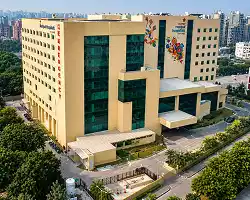
Dwarka - Delhi NCR
-

Gurugram - Delhi NCR
-
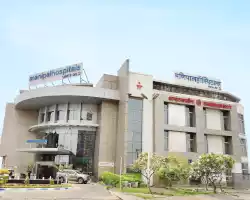
Ghaziabad - Delhi NCR
Didn’t find what you were looking for?
Get in touch with our representatives for help!
Request a CallbackSymptoms of Arthritis
Typical symptoms include joint pain, swelling, and stiffness, which may worsen with movement or after rest. Some patients also experience redness, warmth, or tenderness around the affected joints. Timely treatment can help reduce inflammation, restore mobility, and prevent further joint damage.
How We Diagnose Arthritis
Diagnosis begins with a detailed medical history and physical examination to assess joint tenderness, swelling, and movement. Imaging tests, such as X-rays and MRIs, detect joint damage and structural changes. Blood tests and joint fluid analysis help confirm the type of arthritis. This comprehensive evaluation allows doctors to design precise osteoarthritis treatment in Delhi at Manipal Hospitals.
Treatment Options
Treatment plans may include medications, physiotherapy, and lifestyle modifications such as weight management and exercise. For severe cases, surgical options like joint replacement are considered. Specialists ensure that each plan is tailored to meet the patient’s condition and mobility goals.
What to Expect
Patients seeking arthritis treatment in Delhi at Manipal Hospitals receive holistic, patient-centred care aimed at restoring movement, reducing pain, and improving overall quality of life. The treatment journey begins with a thorough diagnosis to identify the specific type and severity of arthritis. Based on the findings, specialists develop an individualised care plan that may include a combination of medications, physiotherapy, and lifestyle modifications.
Non-surgical management plays a vital role in early and moderate cases. Physical therapy helps strengthen muscles, increase flexibility, and maintain joint mobility. Medications, including anti-inflammatory drugs and disease-modifying agents, are prescribed to manage pain, reduce swelling, and slow disease progression. In cases of advanced joint damage, surgical options such as total joint replacement may be recommended to restore function and independence.
Manipal Hospitals also provides advanced osteoarthritis knee treatment in Delhi, helping patients regain comfort and mobility. The multidisciplinary team collaborates across orthopaedics, physiotherapy, and rehabilitation for seamless care. Post-treatment, patients undergo guided rehabilitation to enhance recovery, ensuring long-term joint stability and improved function.
Consult our Experts
FAQs
-
What are the primary symptoms of arthritis?
The most common signs include persistent joint pain, stiffness, and swelling. You might also notice redness, warmth around the joint, or a decreased range of motion that makes daily tasks like climbing stairs or opening jars difficult.
-
What are the most common types of arthritis?
The two most prevalent forms are:
-
Osteoarthritis (OA): A "wear and tear" condition where the protective cartilage between bones breaks down over time.
-
Rheumatoid Arthritis (RA): An autoimmune disease where the body’s immune system mistakenly attacks the lining of the joints, causing inflammation.
-
Other common types include Gout (caused by uric acid crystals) and Psoriatic arthritis.
-
-
Does cracking your knuckles cause arthritis?
No. There is no scientific evidence linking knuckle cracking to the development of arthritis. The popping sound is actually caused by gas bubbles bursting in the joint fluid, not by bones or cartilage grinding.
-
Is it safe to exercise if I have arthritis?
Yes, and it is highly recommended. Regular, low-impact exercise like swimming, cycling, or walking strengthens the muscles around your joints, improves flexibility, and can actually reduce overall pain and stiffness.
-
Can diet affect my arthritis symptoms?
While diet cannot cure arthritis, it plays a role in managing inflammation. An anti-inflammatory diet rich in omega-3 fatty acids (like fatty fish), fruits, and vegetables can help ease symptoms, whereas sugary or highly processed foods may worsen inflammation.
-
Does the weather really make arthritis pain worse?
Many patients report increased pain during cold or humid weather. Changes in barometric pressure (the pressure of the air around you) are believed to cause joint tissues to expand and contract, leading to discomfort, though scientific evidence on this link remains mixed.
-
Can arthritis be cured?
There is currently no permanent cure for most chronic types of arthritis. However, it is very manageable through early diagnosis, specialised medications (like DMARDs for RA), physical therapy, and lifestyle changes like maintaining a healthy weight to reduce joint stress.



You’re on Our Indian Website
Visit the Global site for International patient services
'Click' to chat with us
