

Anxiety Disorders
Anxiety Disorders
Manipal Hospitals provides expert anxiety treatment in Delhi, offering a compassionate and thorough approach to emotional and psychological well-being. Anxiety disorders involve excessive fear, worry, or tension that interferes with daily life. They may develop due to genetic factors, stress, trauma, or chemical imbalances in the brain. Early identification and treatment help prevent symptoms from worsening and support better mental and physical health outcomes.
Our Locations
-

Dwarka - Delhi NCR
-

Gurugram - Delhi NCR
-
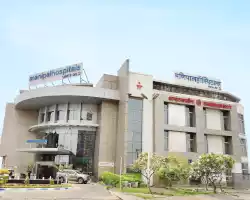
Ghaziabad - Delhi NCR
Didn’t find what you were looking for?
Get in touch with our representatives for help!
Request a CallbackSymptoms of Anxiety Disorders
Anxiety disorders may cause persistent nervousness, rapid heartbeat, shortness of breath, or difficulty concentrating. Physical symptoms like restlessness, trembling, sweating, and sleep disturbances are also common. These symptoms can vary in intensity and may appear in response to specific triggers or occur unexpectedly.
How We Diagnose Anxiety Disorders
Diagnosis begins with a detailed psychological and medical evaluation, including a discussion of emotional patterns, triggers, and personal history. Standardised screening tools and clinical assessments help identify the type and severity of anxiety disorders. In some cases, specialists collaborate with psychiatrists or psychologists to design a tailored care plan for effective anxiety disorder treatment in Delhi.
Treatment Options
Treatment depends on the severity and cause of the disorder. It may include counselling or psychotherapy and medications such as antidepressants or anxiolytics. Relaxation and lifestyle modification techniques are also recommended to help restore emotional balance.
What to Expect
Patients seeking anxiety treatment in Delhi at Manipal Hospitals receive a compassionate management plan designed to improve emotional stability and overall well-being. The journey begins with a confidential consultation, where mental health professionals assess individual symptoms, stress factors, and coping patterns. Based on this assessment, a personalised treatment plan is created that may include cognitive behavioural therapy (CBT), medication, and supportive counselling.
During treatment, patients learn practical coping strategies to manage stress and prevent relapse. Regular therapy sessions help address thought patterns that contribute to anxiety. Lifestyle guidance, including relaxation techniques, mindfulness, and sleep regulation, further supports holistic recovery. Progress is monitored through follow-up sessions to ensure consistent improvement and sustained mental wellness.
At Manipal Hospitals, Delhi, an experienced multidisciplinary team provides the best anxiety disorder treatment in Delhi. They combine psychological therapy, medical support, and empathetic care for every patient. The hospital’s approach focuses on building long-term emotional resilience. It helps individuals regain confidence, restore balance, and lead fulfilling lives free from the limitations of persistent anxiety.
Consult our Experts
FAQs
-
What is the difference between "normal" anxiety and an anxiety disorder?
Occasional anxiety is a normal part of life, such as feeling nervous before a test or an interview. An anxiety disorder is diagnosed when the fear or worry is excessive, difficult to control, and persists for at least six months on most days, significantly interfering with work, school, or relationships.
-
What are the most common types of anxiety disorders?
The five most common types include:
-
Generalised Anxiety Disorder (GAD): Persistent, excessive worry about many different things.
-
Panic Disorder: Sudden, repeated episodes of intense fear (panic attacks).
-
Social Anxiety Disorder: Intense fear of being judged or watched in social situations.
-
Specific Phobias: Major anxiety triggered by a specific object or situation (e.g., heights or flying).
-
Separation Anxiety Disorder: Excessive fear of being separated from loved ones.
-
-
What does a panic attack feel like?
A panic attack is a sudden surge of intense fear that peaks within minutes. Common symptoms include:
-
Racing heart (palpitations) and chest pain.
-
Shortness of breath or a feeling of choking.
-
Sweating, trembling, or shaking.
-
Dizziness, lightheadedness, or nausea.
-
A sense of impending doom or fear of losing control.
-
-
Is it a panic attack or a heart attack?
Because physical symptoms like chest pain and rapid heartbeat overlap, people often mistake panic attacks for medical emergencies. While a panic attack is not physically dangerous, it is important to consult a doctor to rule out underlying heart or thyroid conditions.
-
Can anxiety be diagnosed with a blood test?
No. Anxiety cannot be detected through blood samples, X-rays, or brain scans. Diagnosis is based on a clinical interview where a healthcare provider assesses your symptoms, medical history, and how the anxiety impacts your life.
-
What are the most effective anxiety treatments in Delhi?
Anxiety disorders are highly treatable, often through a combination of:
-
Psychotherapy: Particularly Cognitive Behavioural Therapy (CBT), which helps change negative thought patterns.
-
Medication: Such as SSRIs (antidepressants), anti-anxiety medications (benzodiazepines), or beta-blockers for physical symptoms.
-
Self-Care: Lifestyle adjustments like regular exercise and stress management.
-



You’re on Our Indian Website
Visit the Global site for International patient services
'Click' to chat with us
