61.webp "Fistula Treatment in Delhi | Manipal Hospitals")

Anal Fistula
Anal Fistula
Manipal Hospitals offers comprehensive fistula treatment in Delhi. An anal fistula is an abnormal tunnel between the anal canal and nearby skin, often due to an untreated or recurrent abscess. If not addressed promptly, it can cause persistent pain, infection, and discharge. Accurate diagnosis and timely intervention are crucial for relieving symptoms, preventing complications, and improving the patient’s quality of life.
Our Locations
-
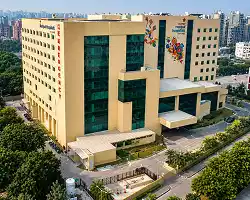
Dwarka - Delhi NCR
-

Gurugram - Delhi NCR
-
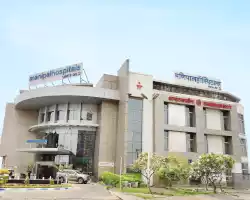
Ghaziabad - Delhi NCR
Didn’t find what you were looking for?
Get in touch with our representatives for help!
Request a CallbackSymptoms of Anal Fistula
Anal fistulas cause persistent pain, swelling, and irritation. Recurring discharge of pus or blood may occur, often accompanied by pain during bowel movements. Fever or fatigue can occur with worsening infection. Symptoms may fluctuate, so timely medical evaluation is important.
How We Diagnose Anal Fistula
Fistula in ano treatment in Delhi begins with a thorough medical history and physical examination of the anal and perianal region. Anoscopy helps locate the internal opening of the fistula. MRI or endoanal ultrasound can precisely map the tract and its relation to sphincter muscles. The detailed approach ensures accurate treatment planning.
Treatment Options
Surgery is the primary treatment for anal fistulas. Simple fistulas are treated with fistulotomy, allowing healing from within. Complex cases may need seton placement or advancement flap procedures to clear infection while preserving bowel control.
What to Expect
For patients seeking fistula treatment in Delhi, Manipal Hospitals offers specialised, patient-centric care. The focus is to relieve symptoms and restore normal function. The treatment journey begins with thorough diagnostic imaging, often MRI or endoanal ultrasound. These tests help accurately map the fistula tract and assess its relation to sphincter muscles. An individualised surgical plan is created to eliminate the fistula while preserving bowel control. Minimally invasive sphincter-preserving techniques are prioritised to reduce discomfort, support faster healing, and minimise scarring.
Recovery after surgery typically takes several weeks, depending on the fistula’s complexity and the procedure performed. During this period, detailed guidance on wound care, hygiene, pain control, and diet supports smooth healing. Regular follow-up visits help evaluate progress, prevent complications, and address any patient concerns promptly.
With dedicated support, compassionate communication, and continuous monitoring, Manipal Hospitals is trusted as one of the best hospitals for fistula treatment in Delhi. It ensures long-term recovery and an improved quality of life.
Consult our Experts
FAQs
-
What is the most common cause of an anal fistula?
Most anal fistulas (about 75%) develop after an anal abscess—a pocket of pus caused by an infected gland. Even after an abscess is drained, a tunnel may remain, connecting the internal infection site to the skin surface.
-
How can I tell the difference between a fistula and haemorrhoids?
-
Anal Fistula: Characterised by persistent discharge of pus, blood, or foul-smelling fluid from a visible hole near the anus. Pain is often constant and throbbing.
-
Haemorrhoids: Typically cause bright red bleeding during bowel movements, itching, and tender lumps, but they do not produce a pus-leaking tunnel.
-
-
Can an anal fistula heal on its own without surgery?
It is very rare for an anal fistula to heal permanently without medical intervention. While the external opening might occasionally close, the internal tunnel often remains infected, leading to recurring abscesses and pain until it is surgically treated.
-
What are the primary surgical options for treatment?
According to the Cleveland Clinic, common procedures include:
-
Fistulotomy: Cutting the tunnel open so it heals as a flat scar.
-
Seton Placement: Inserting a surgical thread to keep the tract open for drainage before a follow-up surgery.
-
LIFT Procedure: Tying off the fistula tract to spare the sphincter muscles.
-
-
Is surgery for an anal fistula a major operation?
Most fistula procedures are performed as outpatient operations, meaning you can usually go home the same day. The surgery typically takes about an hour, though complex cases may require general anaesthesia and a short hospital stay.
-
How long is the recovery period after surgery?
Initial recovery and a return to light activities often take one to two weeks. However, complete healing of the surgical wound can take anywhere from six weeks to several months, depending on the complexity of the fistula and the technique used.
-
What are the risks of leaving a fistula untreated?
If ignored, a fistula can lead to recurrent infections, the development of complex branching tunnels, and in rare cases, life-threatening conditions like sepsis. Long-term chronic inflammation has also been linked to a slightly increased risk of anal cancer.



You’re on Our Indian Website
Visit the Global site for International patient services
'Click' to chat with us
