
2.webp "Acne Scar Treatment in Delhi | Manipal Hospitals")
Acne scars
Acne scars
Manipal Hospitals offers specialised acne scar treatment in Delhi, that is safe and works to make skin smoother and healthier. Acne scars form when inflamed blemishes damage the skin’s tissue during healing, leaving behind depressions or discolouration. Factors such as severe acne, delayed treatment, and frequent touching of acne can increase scarring. Early and customised intervention helps reduce scars and restore confidence in one’s appearance.
Our Locations
-
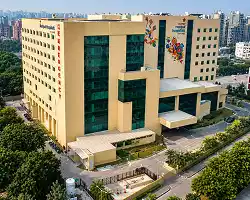
Dwarka - Delhi NCR
-

Gurugram - Delhi NCR
-
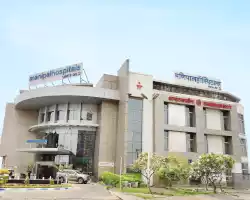
Ghaziabad - Delhi NCR
Didn’t find what you were looking for?
Get in touch with our representatives for help!
Request a CallbackSymptoms of Acne scars
Acne scars may appear as pits, raised bumps, or dark spots left behind after breakouts. These marks can vary in depth and texture, affecting the skin’s smoothness and overall tone. Scars may also become more visible with age as collagen production decreases.
How We Diagnose Acne scars
Diagnosis begins with a detailed skin evaluation to identify the type and extent of scarring. The scar type, whether atrophic, hypertrophic, or pigmented, is identified through skin analysis and texture mapping. Previous acne history and skin sensitivity are also reviewed to determine the most effective treatment approach. This helps design a personalised care plan for long-term results and improved skin health.
Treatment Options
The choice of treatment varies based on the type and severity of scarring. Options include chemical peels, microdermabrasion, and microneedling. Manipal Hospitals also offers acne scar laser treatment in Delhi, providing advanced solutions tailored to each patient’s skin needs.
What to Expect
Patients seeking acne scar treatment in Delhi at Manipal Hospitals can expect a structured, results-focused approach designed for comfort and precision. The process begins with a comprehensive skin assessment, where dermatologists evaluate scar type, depth, and overall skin health.
Based on these findings, a customised treatment plan is developed, which may include laser resurfacing, microneedling with radiofrequency, or chemical peels to stimulate collagen and enhance skin renewal. Each procedure is performed with utmost care to ensure safety and minimal discomfort.
Most sessions are outpatient, allowing patients to return to daily routines quickly. Mild redness or swelling may occur temporarily but typically resolves within days. Noticeable improvement in skin smoothness and tone develops gradually as collagen regeneration continues.
Patients receive detailed post-treatment guidance on skincare, sun protection, and hydration to maintain results and prevent further damage. Regular follow-up visits help monitor progress and adjust the treatment plan as needed.
At Manipal Hospitals, patients benefit from the best acne scar treatment in Delhi, delivered through advanced technology and expert dermatologists. The hospital is committed to helping individuals achieve clear, rejuvenated, and healthy skin.
Consult our Experts
FAQs
-
What is the difference between a scar and post-inflammatory hyperpigmentation (PIH)?
-
PIH refers to flat red, brown, or purple marks that fade over time (usually 3–6 months).
-
True scars are structural changes, appearing as either "depressed" pits (atrophic) or "raised" bumps (hypertrophic). These do not go away on their own.
-
-
What are the main types of pitted acne scars?
-
Ice pick scars: Deep, very narrow pits that look like the skin was punctured by a sharp instrument.
-
Boxcar scars: Broad depressions with steeply defined, vertical edges (similar to chickenpox scars).
-
Rolling scars: Shallow, wide depressions that create a "wavy" or undulating appearance on the skin.
-
-
Can over-the-counter (OTC) creams fix deep scars?
While ingredients like Retinol and Vitamin C can improve skin texture and fade dark marks, they cannot "fill in" deep pits or flatten raised scars. Professional medical treatments are usually required to remodel the collagen deep within the dermis.
-
Which professional treatments are most effective?
-
Microneedling: Uses tiny needles to trigger the skin’s natural healing and collagen production.
-
Chemical Peels: Strong acids remove the top layer of skin to reveal smoother layers underneath.
-
Laser Resurfacing: Targeted light beams vaporise damaged skin or heat the underlying layers to tighten them.
-
Subcision: A needle is used to "break up" the fibrous bands pulling the skin down in rolling scars.
-
-
Why is sunscreen so important for scar healing?
UV exposure darkens scars and breaks down the collagen your skin is trying to rebuild. Using a broad-spectrum SPF 30+ daily prevents scars from becoming more permanent and noticeable.



You’re on Our Indian Website
Visit the Global site for International patient services
'Click' to chat with us
