5 Min Read
.webp "Stroke Emergency: FAST Signs, Symptoms & What to Do")
A stroke emergency can strike without warning and change lives within minutes. Every second matters when the brain is deprived of oxygen-rich blood. Recognising stroke warning signs early and responding immediately can significantly reduce disability and save lives. According to our experts in Delhi-NCR, timely medical intervention during a stroke emergency is the single most important factor influencing survival and recovery.
This comprehensive guide explains stroke warning signs, the importance of FAST action, common brain stroke symptoms, key stroke risk factors, and exactly what to do during a stroke. Understanding these essentials empowers individuals and families to act quickly and confidently in critical moments.
Synopsis
- Understanding Stroke as a Medical Emergency
- Stroke Warning Signs You Should Never Ignore
- FAST Stroke Signs: A Simple Life-Saving Tool
- Brain Stroke Symptoms Explained
- Early Signs of Stroke vs Delayed Symptoms
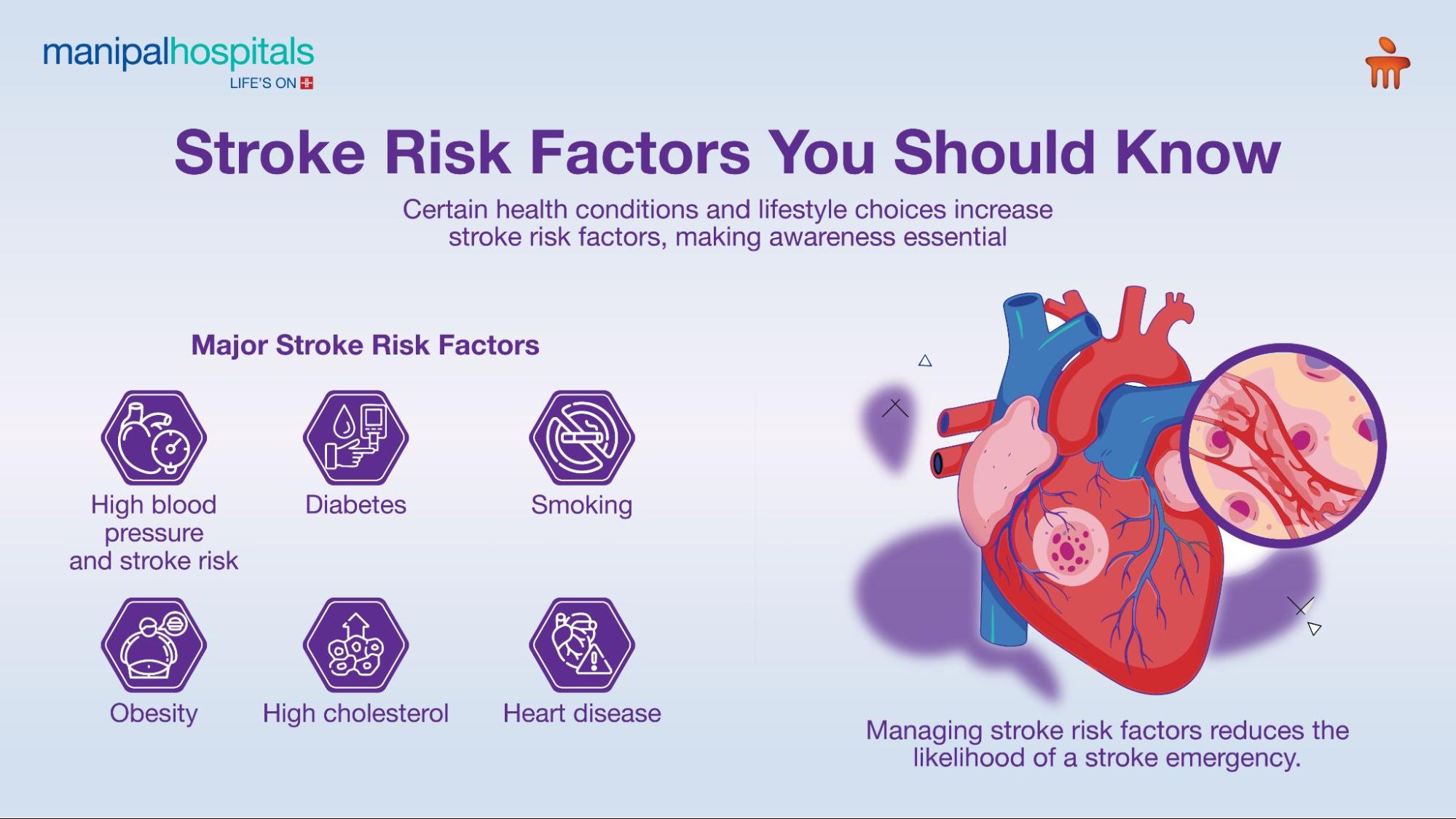
- High Blood Pressure and Stroke: A Dangerous Link
- Stroke First Aid: What to Do During a Stroke
- What Not to Do During a Stroke Emergency
- Stroke Diagnosis and Emergency Treatment
- Stroke Recovery: What Happens After Emergency Care
- Preventing Future Stroke Emergencies
- When to Seek Immediate Help
- Conclusion
Understanding Stroke as a Medical Emergency
A stroke occurs when blood flow to a part of the brain is interrupted or reduced, preventing brain cells from receiving oxygen and nutrients. Within minutes, brain cells begin to die, making a stroke an emergency one of the most time-sensitive medical conditions.
Why Stroke Is a Medical Emergency
-
Brain damage begins within minutes
-
Delayed treatment increases disability risk
-
Early care improves stroke recovery outcomes
-
FAST action reduces long-term complications
Recognising stroke warning signs early ensures faster access to life-saving care.
Stroke Warning Signs You Should Never Ignore
Stroke warning signs can appear suddenly and worsen rapidly. Early identification is crucial to prevent irreversible damage.
Common Stroke Warning Signs
-
Sudden numbness or weakness in the face, arm, or leg
-
Difficulty speaking or understanding speech
-
Sudden vision problems in one or both eyes
-
Loss of balance, dizziness, or coordination
-
Severe headache with no known cause
These early signs of stroke require immediate emergency response.
FAST Stroke Signs: A Simple Life-Saving Tool
The FAST stroke signs method is a globally recognised tool to identify stroke quickly.
Act FAST Stroke Checklist
|
FAST Letter |
What to Check |
What It Means |
|
F - Face |
Drooping on one side |
Facial muscle weakness |
|
A - Arms |
One arm drifting down |
Limb weakness |
|
S - Speech |
Slurred or unclear speech |
Brain involvement |
|
T - Time |
Call emergency services |
Immediate action needed |
Using the Act FAST stroke principles can dramatically improve survival during a stroke emergency.
Brain Stroke Symptoms Explained
Brain stroke symptoms vary depending on which part of the brain is affected. However, all forms require urgent attention.
Key Brain Stroke Symptoms
-
Sudden confusion or disorientation
-
Trouble walking or standing
-
Loss of coordination
-
Vision disturbances
-
Sudden severe headache
These symptoms overlap with stroke warning signs, reinforcing the need for rapid evaluation.
Early Signs of Stroke vs Delayed Symptoms
Understanding early signs of stroke helps differentiate emergencies from less urgent conditions.
Early Signs of Stroke
-
Sudden weakness or numbness
-
Speech difficulty
-
Vision loss
-
Balance problems
Delayed Stroke Symptoms
-
Persistent weakness
-
Memory problems
-
Difficulty swallowing
-
Emotional changes
Prompt action during the early stages improves stroke recovery significantly.
High Blood Pressure and Stroke: A Dangerous Link
High blood pressure and stroke are closely connected. Hypertension damages blood vessels, increasing the risk of blockages or ruptures.
Why Blood Pressure Control Matters
-
Weakens artery walls
-
Increases clot formation
-
Raises the risk of hemorrhagic stroke
Regular monitoring and control reduce stroke warning signs.
Stroke First Aid: What to Do During a Stroke
Knowing what to do during a stroke can save lives before medical help arrives.
Stroke First Aid Steps
-
Call emergency services immediately - Do not wait for symptoms to subside; early medical response ensures faster treatment and significantly reduces brain damage.
-
Keep the person calm and still - Help them sit or lie down comfortably, avoid sudden movements, and reassure them to prevent anxiety-related complications.
-
Do not give food or water - Swallowing may be impaired during a stroke, increasing the risk of choking or aspiration into the lungs.
-
Loosen tight clothing - Remove tight collars, belts, or accessories to improve breathing comfort and prevent unnecessary pressure on the body.
-
Monitor breathing and consciousness - Observe for changes in breathing, alertness, or responsiveness, and be ready to provide information to medical professionals.
Proper stroke first aid supports survival until advanced care is provided.
What Not to Do During a Stroke Emergency
During a stroke emergency, incorrect actions can worsen outcomes.
Avoid These Mistakes
-
Delaying medical help
-
Ignoring mild stroke warning signs
-
Giving medications without advice
-
Waiting for symptoms to pass
Always treat a suspected stroke as an emergency.
Stroke Diagnosis and Emergency Treatment
Hospitals use rapid diagnostic tools to confirm stroke type and severity.
Common Diagnostic Tests
|
Test |
Purpose |
|
CT scan |
Detect bleeding |
|
MRI |
Identify brain damage |
|
Blood tests |
Assess clotting |
|
ECG |
Evaluate heart rhythm |
Early diagnosis supports timely stroke recovery planning.
Stroke Recovery: What Happens After Emergency Care
Stroke recovery begins immediately after stabilisation and continues for months or years.
Key Elements of Stroke Recovery
-
Physical therapy
-
Speech therapy
-
Occupational therapy
-
Lifestyle modifications
Our experts in Delhi-NCR emphasise early rehabilitation for optimal stroke recovery outcomes.
Preventing Future Stroke Emergencies
Prevention focuses on controlling risk factors and maintaining healthy habits.
Stroke Prevention Strategies
-
Manage blood pressure
-
Maintain a balanced diet
-
Exercise regularly
-
Avoid smoking
-
Control diabetes
Reducing stroke risk factors lowers recurrence risk.
When to Seek Immediate Help
Seek emergency care if any stroke warning signs appear, even briefly. A stroke emergency should never be ignored.
Conclusion
A stroke emergency demands fast, informed action. Recognising stroke warning signs, understanding FAST stroke signs, and knowing what to do during a stroke can save lives and reduce long-term disability. With awareness, prompt stroke first aid, and expert care guided by professionals like our experts in Delhi-NCR, outcomes improve dramatically. Remember—every minute counts during a stroke.
FAQ's
Stroke warning signs include facial drooping, arm weakness, speech difficulty, and sudden vision or balance problems.
FAST stroke signs help identify stroke quickly, ensuring rapid treatment and improved survival.
Stroke recovery varies by severity and treatment timing; early care improves recovery chances.
High blood pressure and stroke are linked because hypertension damages blood vessels and increases clot risk.
Call emergency services immediately, keep the person calm, and provide basic stroke first aid until help arrives.
Share this article on: