




 7 Min Read
Pregnancy is a profound and transformative journey, a period of immense change, anticipation, and wonder. For expectant parents, understanding the intricate process of development, from the very initial stage of pregnancy to birth, can be both empowering and reassuring. At Manipal Hospitals, we believe in equipping you with comprehensive knowledge to navigate these `pregnancy stages`with confidence. This guide will walk you through the remarkable `month pregnancy stages`, detailing the evolving `fetus stages of pregnancy` and the common `symptoms of pregnancy at early stage` and beyond.
Synopsis
Understanding the Trimesters: A Journey of Transformation
Pregnancy is typically divided into three trimesters, each spanning approximately three months, characterised by distinct developmental milestones for your baby and unique experiences for you.
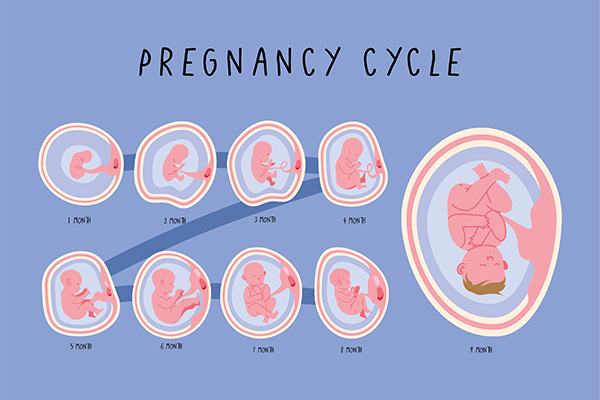
First Trimester (Weeks 1-12): The Foundation of Life
Early Stages of Pregnancy: What to Expect
The first trimester is a period of rapid development, often before many even realise they are pregnant. The journey begins with conception, where a single cell embarks on an incredible path. This `starting stage of pregnancy` is critical for organ formation. By the end of the first trimester, all major organs have begun to form.
-
Week 1-4: The Very Beginning - Conception occurs, and the fertilised egg implants in the uterine wall. You might experience very subtle symptoms of pregnancy at an early stage, like light spotting or mild cramping, often mistaken for premenstrual symptoms.
-
Week 5-8: Rapid Development - The embryo grows rapidly. The heart starts beating (often detectable by ultrasound around week 6), and basic structures for the brain, spinal cord, and other organs begin to form. Approximately 80% of pregnancies with a detectable heartbeat at 6-8 weeks progress to live birth, offering significant reassurance.
-
Week 9-12: Becoming a Fetus - By week 9, the embryo is officially called a fetus. Fingers, toes, and facial features become more defined. This is a crucial period for development within the `early stages of pregnancy`. Common maternal symptoms of pregnancy at the early stage include morning sickness (experienced by over 70% of pregnant women), extreme fatigue, and breast tenderness.
Second Trimester (Weeks 13-27): Growth and Connection
Mid-Pregnancy: Noteworthy Changes
Often considered the "golden trimester", the second trimester brings a renewed sense of energy for many women, and the risk of miscarriage significantly decreases. The baby grows substantially, and you'll begin to feel its movements. This is where you really start to appreciate the `pregnancy stages week by week`.
-
Weeks 13-16: Feeling the Flutters - Your baby's bones are hardening, and hair, eyelashes, and eyebrows appear. Many mothers experience "quickening", the first fetal movements, often described as gentle flutters.
-
Weeks 17-20: Detailed Development - Your baby's senses develop, and they can hear sounds from outside the womb. Ultrasounds during this time (often around week 20) can reveal the baby's gender and provide detailed checks for development. Over 95% of major congenital anomalies can be detected during this scan, highlighting its importance.
-
Weeks 21-27: Growing Stronger - The baby continues to gain weight and mature. Lungs develop further, and fat begins to accumulate under the skin. Many women find their energy levels peak during these `pregnancy stages`, and symptoms like morning sickness often subside.
Third Trimester (Weeks 28-40+): Preparing for Arrival
Final Stages: Preparing for Delivery
The final trimester is a period of rapid growth for the baby and preparation for birth. Your body undergoes significant changes to accommodate the growing fetus and prepare for labor. These `stages of pregnancy`culminate in childbirth.
-
Weeks 28-32: Maturing Systems - The baby's brain develops rapidly, and organs continue to mature. They start to develop sleep-wake cycles. Maternal discomfort may increase, including backaches, heartburn, and shortness of breath.
-
Weeks 33-36: Getting Ready for the World - The baby gains weight quickly, and its lungs are nearly fully developed. Most babies will turn their head down in preparation for birth by week 36. Regular check-ups during pregnancy focus on monitoring the baby's position and growth.
-
Weeks 37-40+: Full Term and Beyond - Your baby is considered full-term from week 37. They continue to gain weight, and protective fatty layers accumulate. Contractions (Braxton Hicks) become more frequent as your body prepares for labor. Globally, approximately 85-90% of pregnancies result in a full-term delivery.
Navigating Common Pregnancy Discomforts & Important Distinctions
Throughout the various `pregnancy stages`, women experience a range of physical changes and discomforts. Many are normal and part of the process, such as general swelling (oedema) in the feet, ankles, and hands, which affects a significant number of pregnant women, particularly in the later months.
Addressing Swelling and Joint Health
While some swelling is common due to increased blood volume and pressure on veins, it's crucial to distinguish this from more serious conditions. For instance, `fluid on the knee` or persistently 'swollen knees' are generally *not* typical symptoms of pregnancy at the early stage, or at any stage.
`What causes fluid on the knee` in general can range from injuries to inflammatory conditions like arthritis. If you experience specific 'fluid in the knee', especially if it's accompanied by pain, redness, or limits your movement, it's essential to seek medical attention promptly. This is different from the bilateral swelling commonly seen in pregnancy. In such specific cases, is it dangerous to have fluid on the knee? Yes, it can indicate an underlying issue that needs diagnosis and treatment, which could potentially impact your pregnancy if left unaddressed.
Therefore, while for general pregnancy-related oedema, elevating your feet, staying hydrated, and avoiding prolonged standing can offer relief (often considered 'home remedies for fluid on the knee' by those who confuse the two), for specific 'fluid on the knee', these 'home remedies for fluid on the knee' are insufficient and potentially risky. 'How to get rid of fluid on the knee' effectively requires a proper medical diagnosis to identify the root cause and prescribe appropriate treatment. Do not attempt self-treatment for specific joint swelling during pregnancy.
Care Essentials: Do's and Don'ts
-
DO attend all prenatal appointments. Regular check-ups are vital for monitoring your health and your baby's development throughout the pregnancy stages.
-
DO maintain a balanced diet rich in essential nutrients, including folic acid, iron, and calcium.
-
DO stay hydrated by drinking plenty of water throughout the day.
-
DO engage in moderate, pregnancy-safe exercise, such as walking or prenatal yoga, after consulting your doctor.
-
DO get adequate rest and listen to your body's signals for fatigue, especially during the early stages of pregnancy.
-
DON'T consume alcohol, smoke, or use recreational drugs, as these can have severe impacts on the fetus stages of pregnancy.
-
DON'T take any medications, including over-the-counter remedies, without consulting your healthcare provider.
-
DON'T ignore persistent or severe symptoms like severe headache, blurred vision, sudden swelling of face/hands, or reduced fetal movement.
-
DON'T lift heavy objects or engage in strenuous activities that put you at risk of falling.
-
DON'T hesitate to discuss any concerns, fears, or questions you have with your doctor.
If you are experiencing these symptoms or have questions about your pregnancy stages, it's crucial to seek timely medical advice. Book an appointment with our expert obstetricians and gynaecologists at Manipal Hospitals today.
FAQ's
Most home pregnancy tests are accurate from the first day of your missed period. A blood test can confirm pregnancy even earlier, typically about 11 days after conception.
Ideal weight gain varies based on your pre-pregnancy BMI. For a woman with a healthy BMI, a gain of 25-35 pounds is generally recommended. Your doctor will provide personalised guidance.
Yes, hormonal fluctuations throughout pregnancy stages can lead to significant mood swings, ranging from irritability to intense joy. It's a very common experience.
Most first-time mothers feel their baby move between 18-25 weeks, though some may feel it earlier. By the second pregnancy, it can be as early as 13 weeks.
Braxton Hicks are "practice" contractions that occur intermittently, usually in the second or third trimester. They are generally mild, irregular, and do not lead to labor. True labor contractions become stronger, more regular, and closer together.
Share this article on:





