




 5 Min Read
Pneumonia is a serious respiratory infection that affects millions of people globally each year and remains a major cause of hospitalisation, especially among children, older adults, and individuals with weakened immunity. Recognising pneumonia symptoms early is essential for timely medical intervention and better recovery outcomes. With prompt diagnosis, appropriate pneumonia treatment, and guidance from experienced specialists—such as our pulmonologists in Delhi-NCR, most patients can recover without long-term complications. This comprehensive guide explains pneumonia causes, pneumonia symptoms, treatment options, and preventive strategies.
Synopsis
What Is Pneumonia?
Pneumonia is an infection that inflames the air sacs (alveoli) in one or both lungs. These air sacs may fill with fluid or pus, leading to difficulty breathing and reduced oxygen supply to the body. Pneumonia symptoms can range from mild to severe, depending on the patient’s age, overall health, and the type of infection involved.
Pneumonia can develop suddenly or gradually. While some people manage mild pneumonia symptoms at home, others require hospital-based pneumonia treatment, particularly when complications arise.
Understanding Pneumonia Causes
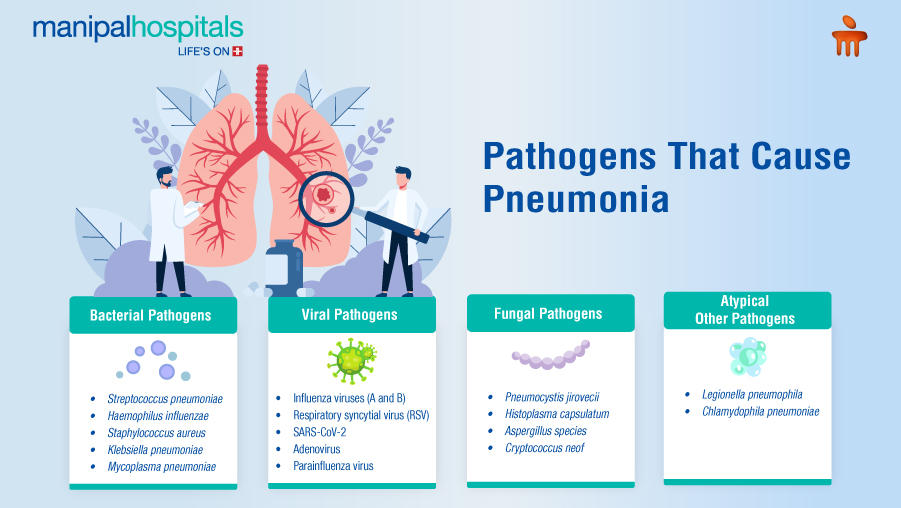
Identifying pneumonia causes helps clinicians decide the most effective pneumonia treatment approach. Pneumonia causes are broadly categorised based on the type of pathogen responsible.
1. Bacterial Pneumonia
Bacterial infections are among the most common causes of pneumonia. Streptococcus pneumoniae is the leading bacterial pathogen. Bacterial pneumonia symptoms often appear suddenly and may be severe.
2. Viral Pneumonia
Viruses such as influenza, respiratory syncytial virus (RSV), and SARS-CoV-2 are significant causes of pneumonia. Viral pneumonia symptoms are usually milder initially but can worsen rapidly in high-risk individuals.
3. Fungal Pneumonia
Fungal pneumonia causes are more common in people with compromised immune systems. These infections are less common but can be serious and difficult to treat.
4. Aspiration Pneumonia
Aspiration of food, liquids, or gastric contents into the lungs is another important pneumonia cause, especially in elderly patients or those with neurological disorders.
Common Pneumonia Symptoms
Pneumonia symptoms vary based on age, immunity, and the underlying pneumonia causes. However, certain pneumonia symptoms are consistently observed across patient groups.
Early Pneumonia Symptoms
-
Persistent cough, often with phlegm
-
Fever with chills
-
Fatigue and weakness
-
Shortness of breath on exertion
Progressive Pneumonia Symptoms
-
Chest pain during breathing or coughing
-
Rapid or shallow breathing
-
Confusion, especially in older adults
-
Bluish lips or fingertips due to low oxygen
In children, pneumonia symptoms may include poor feeding, irritability, or rapid breathing. In older adults, pneumonia symptoms can be subtle, such as confusion or worsening of existing medical conditions.
When to Seek Medical Attention
Any worsening pneumonia symptoms should prompt immediate medical consultation. Severe pneumonia symptoms such as high fever, persistent breathlessness, chest pain, or altered consciousness require urgent evaluation. Early assessment by respiratory specialists, including our pulmonologist in Delhi-NCR, ensures accurate diagnosis and timely pneumonia treatment.
Diagnosis of Pneumonia
Diagnosing pneumonia involves a combination of clinical evaluation and diagnostic tests. Doctors assess pneumonia symptoms, listen to lung sounds, and recommend investigations such as:
-
Chest X-ray to confirm lung involvement
-
Blood tests to identify infection severity
-
Sputum culture to determine pneumonia
-
Pulse oximetry to assess oxygen levels
Accurate diagnosis helps tailor pneumonia treatment and prevent complications.
Pneumonia Treatment Options
Pneumonia treatment depends on the underlying causes of pneumonia, the severity of pneumonia symptoms, and patient risk factors.
Antibiotics
Antibiotics are the cornerstone of pneumonia treatment for bacterial infections. Completing the full course is critical, even if pneumonia symptoms improve early.
Antiviral or Antifungal Therapy
When viral or fungal pneumonia causes are identified, specific antiviral or antifungal medications are used as part of pneumonia treatment.
Supportive Care
Supportive pneumonia treatment includes adequate hydration, rest, fever control, and oxygen therapy when required. Hospitalisation may be necessary for severe pneumonia symptoms.
Advanced Respiratory Support
In critical cases, pneumonia treatment may involve non-invasive ventilation or mechanical ventilation to maintain oxygenation.
Expert supervision by respiratory specialists, such as our pulmonologists in Delhi-NCR, ensures comprehensive and individualised pneumonia treatment plans.
Recovery and Possible Complications
Most people recover fully with appropriate pneumonia treatment. However, untreated or severe pneumonia symptoms can lead to complications such as pleural effusion, lung abscess, respiratory failure, or sepsis. Early recognition of pneumonia symptoms and treatment adherence significantly reduces these risks.
Preventing Pneumonia
Prevention plays a crucial role in reducing the burden of pneumonia symptoms and complications.
Vaccination
Vaccines against pneumococcal bacteria, influenza, and COVID-19 help prevent common causes of pneumonia, especially in high-risk groups.
Good Hygiene Practices
Regular handwashing and respiratory hygiene reduce exposure to pneumonia causes.
Lifestyle Measures
Avoiding smoking, maintaining good nutrition, and managing chronic illnesses lowers the risk of pneumonia symptoms.
Protecting Vulnerable Groups
Older adults, children, and individuals with chronic lung disease benefit from regular health check-ups and early evaluation of respiratory symptoms. Preventive guidance from our pulmonologists in Delhi-NCR can help identify risks early.
Living with a Higher Risk of Pneumonia
People with asthma, COPD, diabetes, or weakened immunity are more susceptible to pneumonia-causing organisms. For these individuals, even mild pneumonia symptoms should not be ignored. Regular monitoring and preventive strategies are essential to reduce recurrence.
Conclusion
Pneumonia remains a potentially serious condition, but with early recognition of pneumonia symptoms, understanding pneumonia causes, and timely pneumonia treatment, outcomes are greatly improved. Awareness, prevention, and access to expert respiratory care are key to protecting lung health and ensuring a full recovery. Visit Manipal Hospitals Delhi-NCR Pulmonology department today!
FAQ's
Common pneumonia symptoms include cough with phlegm, fever, shortness of breath, chest pain, and fatigue.
Pneumonia causes include bacterial, viral, fungal infections, and aspiration of food or liquids into the lungs.
Pneumonia treatment depends on the cause and severity and may include antibiotics, antivirals, oxygen therapy, and supportive care.
Yes, vaccination, good hygiene, and healthy lifestyle habits significantly reduce pneumonia causes and related pneumonia symptoms.
Seek medical help if pneumonia symptoms worsen, breathing becomes difficult, or fever persists despite treatment.
Share this article on:





