




 6 Min Read
Heart diseases remain one of the leading causes of serious health complications worldwide. In many cases, lifestyle changes, medications, and minimally invasive procedures can effectively manage heart conditions. However, certain situations demand a more extensive intervention—open-heart surgery, often guided by expert evaluation from our vascular surgeons in Delhi-NCR. Understanding when open-heart surgery becomes necessary helps patients and families prepare mentally, medically, and emotionally for this life-saving procedure.
This comprehensive guide explains what open-heart surgery involves, the medical conditions that require it, different types of open-heart surgery, and what patients can expect in terms of outcomes and recovery. With timely diagnosis and expert care, open-heart surgery can significantly improve quality of life and survival rates.
Synopsis
- What Is Open-Heart Surgery?
- When Is Open-Heart Surgery Truly Necessary?
- Coronary Artery Bypass Grafting: A Leading Reason
- Types of Open-Heart Surgery
- Aortic Aneurysm Surgery: A Silent Threat
- Valve Disorders That Require Open-Heart Surgery
- Symptoms That Indicate the Need for Open-Heart Surgery
- Open-Heart Surgery Success Rate: What to Expect
- Risks Associated with Open-Heart Surgery
- How Doctors Decide on Open-Heart Surgery
- Why Timely Open-Heart Surgery Matters
- Conclusion
What Is Open-Heart Surgery?
Open-heart surgery refers to surgical procedures where the chest is opened to access the heart directly. It is typically performed to repair or replace damaged heart structures, restore blood flow, or correct life-threatening abnormalities.
Key Characteristics of Open-Heart Surgery
-
Requires opening the chest bone (sternotomy)
-
Often uses a heart-lung machine
-
Performed under general anaesthesia
-
Used for complex cardiac conditions
Although advanced catheter-based techniques exist today, open-heart surgery remains the gold standard for many severe heart disorders.
When Is Open-Heart Surgery Truly Necessary?
Not every heart condition requires open-heart surgery. Doctors recommend it only when other treatments cannot effectively address the problem.
Common Situations Requiring Open-Heart Surgery
-
Severe blockages in the coronary arteries
-
Structural heart defects
-
Advanced valve disease
-
Life-threatening aneurysms
In such cases, delaying open-heart surgery can increase the risk of heart failure or sudden cardiac events.
Coronary Artery Bypass Grafting: A Leading Reason
What Is Coronary Artery Bypass Grafting?
Coronary artery bypass grafting is one of the most common forms of open-heart surgery. It is performed when the coronary arteries are severely blocked, restricting blood flow to the heart muscle.
When Is Coronary Artery Bypass Grafting Needed?
-
Multiple blocked arteries
-
Left main coronary artery disease
-
Failed angioplasty or stenting
During coronary artery bypass grafting, surgeons create alternate pathways for blood flow using healthy blood vessels. Our vascular surgeons in Delhi-NCR often emphasise early evaluation to determine whether coronary artery bypass grafting is the safest option.
Types of Open-Heart Surgery
There are several types of open-heart surgery, each designed to treat specific cardiac conditions.
Common Types of Open-Heart Surgery
|
Type of Surgery |
Purpose |
|
Coronary artery bypass grafting |
Restores blood flow to the heart |
|
Valve repair or replacement |
Corrects faulty heart valves |
|
Congenital defect repair |
Fixes structural birth defects |
|
Aortic aneurysm surgery |
Repairs weakened the aorta |
Understanding the types of open-heart surgery helps patients make informed decisions about treatment plans.
Aortic Aneurysm Surgery: A Silent Threat
What Is Aortic Aneurysm Surgery?
Aortic aneurysm surgery is a critical open-heart surgery performed to repair a weakened or bulging section of the aorta. If left untreated, an aneurysm can rupture, leading to fatal bleeding.
When Is Aortic Aneurysm Surgery Required?
Timely aortic aneurysm surgery significantly reduces mortality risk. Our vascular surgeons in Delhi-NCR frequently stress the importance of routine imaging for early detection.
Valve Disorders That Require Open-Heart Surgery
Heart valves regulate blood flow through the heart. Severe valve damage may necessitate open-heart surgery.
Valve Conditions Treated with Open-Heart Surgery
-
Aortic stenosis
-
Mitral regurgitation
-
Tricuspid valve disease
Valve repair or replacement remains one of the essential types of open-heart surgery for restoring normal cardiac function.
Symptoms That Indicate the Need for Open-Heart Surgery
Recognising warning signs early can be life-saving.
Common Red Flags
-
Persistent chest pain
-
Shortness of breath
-
Extreme fatigue
-
Fainting episodes
-
Swelling in the legs or abdomen
If these symptoms persist despite medication, doctors may recommend open-heart surgery after thorough evaluation.
Open-Heart Surgery Success Rate: What to Expect
Understanding Open-Heart Surgery Success Rate
The open-heart surgery success rate has improved significantly due to advancements in surgical techniques, technology, and post-operative care.
Factors Affecting Open-Heart Surgery Success Rate
-
Patient age
-
Overall health
-
Type of surgery
-
Timing of intervention
|
Surgery Type |
Average Success Rate |
|
Coronary artery bypass grafting |
95–98% |
|
Valve replacement |
90–95% |
|
Aortic aneurysm surgery |
85–90% |
A high open-heart surgery success rate reinforces the importance of choosing experienced surgical teams.
Risks Associated with Open-Heart Surgery
While open-heart surgery is often life-saving, it carries potential risks.
Possible Complications
-
Infection
-
Bleeding
-
Irregular heart rhythms
-
Stroke
However, careful patient selection and skilled surgical care help minimise these risks. Our vascular surgeons in Delhi-NCR follow stringent protocols to ensure patient safety.
How Doctors Decide on Open-Heart Surgery
Before recommending open-heart surgery, doctors perform detailed assessments.
Diagnostic Tests Used
- Echocardiography
-
Coronary angiography
-
CT or MRI scans
-
Blood tests
These tests help determine the need, timing, and type of open-heart surgery.
Why Timely Open-Heart Surgery Matters
Delaying open-heart surgery when clearly indicated can lead to irreversible heart damage. Early intervention improves outcomes, enhances the open-heart surgery success rate, and prevents life-threatening complications.
Our vascular surgeons in Delhi-NCR consistently advocate timely decision-making for complex cardiac conditions.
Conclusion
Open-heart surgery is not recommended lightly—it is reserved for situations where the heart’s structure or blood supply is critically compromised. From coronary artery bypass grafting to aortic aneurysm surgery, various types of open-heart surgery address different life-threatening conditions. With a high open-heart surgery success rate and continuous advancements in cardiac care, patients can expect safer procedures and better recovery outcomes. Early diagnosis, expert guidance from our vascular surgeons in Delhi-NCR and timely intervention remain the keys to successful heart surgery and long-term cardiac health.
FAQ's
Open-heart surgery is unavoidable when severe blockages, valve damage, or aneurysms cannot be treated with medications or minimally invasive procedures.
With modern techniques, the open-heart surgery success rate is high, and risks are significantly reduced for most patients.
Yes, coronary artery bypass grafting is one of the most common types of open-heart surgery.
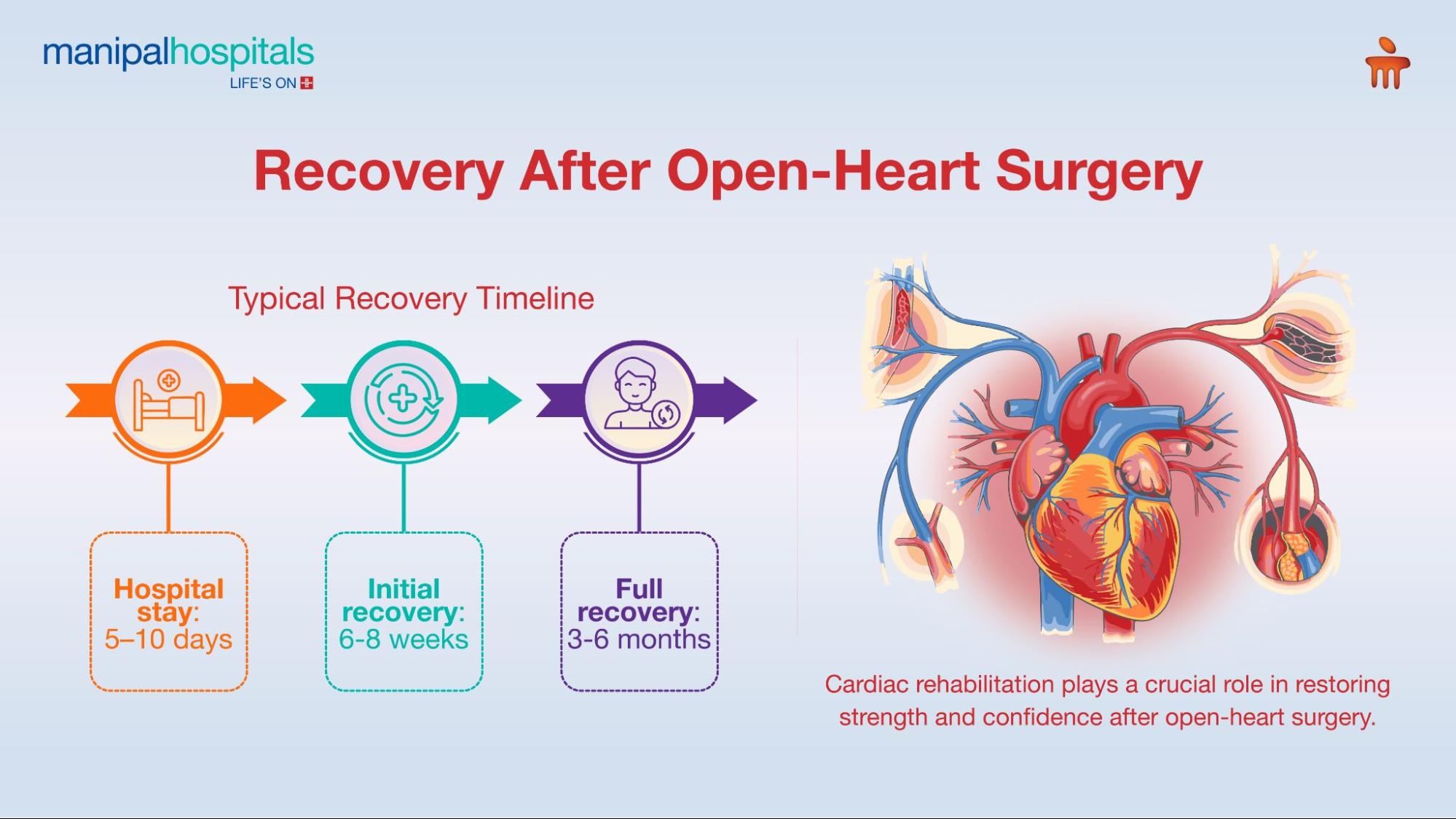
Initial recovery takes about 6–8 weeks, while full recovery may take several months.
Healthy habits can delay or prevent some heart conditions, but advanced disease may still require open-heart surgery.
Share this article on:





