6 Min Read
Digestive discomfort is one of the most common health complaints affecting people of all ages. From occasional bloating after a heavy meal to persistent abdominal discomfort, indigestion symptoms can significantly impact daily life. Although often considered mild, ongoing digestive issues should not be ignored, as they may indicate underlying gastrointestinal conditions.
Understanding indigestion symptoms, recognising the indigestion causes, and knowing effective ways for indigestion relief can help individuals manage discomfort early and prevent complications. With expert guidance from specialists such as our gastroenterologists in Delhi-NCR, patients can achieve accurate diagnosis and personalised care when needed.
Synopsis
- What Is Indigestion?
- Common Indigestion Symptoms
- Upset Stomach Symptoms vs Indigestion Symptoms
- Indigestion Causes You Should Know
- Lifestyle Factors That Trigger Indigestion Symptoms
- When Indigestion Symptoms Need Medical Attention
- Diagnosis of Indigestion
- Indigestion Treatment Options
- Easy and Effective Indigestion Relief Tips
- Home Remedies for Indigestion Relief
- Role of Diet in Managing Indigestion Symptoms
- Conclusion
What Is Indigestion?
Indigestion, medically referred to as dyspepsia, describes a group of digestive complaints rather than a single disease. Indigestion symptoms usually occur in the upper abdomen and are often linked to eating habits, lifestyle factors, or digestive disorders.
While occasional indigestion is common, frequent or severe symptoms may require medical evaluation. Recognising patterns of discomfort is the first step toward appropriate indigestion treatment and long-term digestive health.
Common Indigestion Symptoms
The presentation of indigestion symptoms varies from person to person. Some individuals experience mild discomfort, while others may have persistent pain or bloating.
Typical indigestion symptoms include:
-
Upper abdominal pain or discomfort
-
A burning sensation in the chest or stomach
-
Feeling uncomfortably full after meals
-
Excessive bloating or belching
-
Nausea or occasional vomiting
Many of these overlap with upset stomach symptoms, making it important to observe duration, frequency, and triggers.
Upset Stomach Symptoms vs Indigestion Symptoms
Although often used interchangeably, upset stomach symptoms and indigestion symptoms are not always identical. Upset stomach symptoms may include diarrhoea, cramps, or nausea due to infections or food intolerance. In contrast, indigestion symptoms primarily involve discomfort in the upper digestive tract.
Identifying whether symptoms are related to indigestion or another digestive issue helps guide appropriate indigestion treatment and avoid unnecessary delays in care.
Indigestion Causes You Should Know
Understanding indigestion causes is crucial for effective prevention and relief. In many cases, lifestyle habits play a significant role, but medical conditions may also contribute.
Common Indigestion Causes Include:
-
Overeating or eating too quickly
-
Fatty, spicy, or fried foods
-
Excessive caffeine or alcohol intake
-
Smoking
-
Stress and anxiety
Medical indigestion causes may include acid reflux, gastritis, peptic ulcers, gallbladder disease, or certain medications. Persistent indigestion symptoms should always be evaluated to rule out serious conditions.
Lifestyle Factors That Trigger Indigestion Symptoms
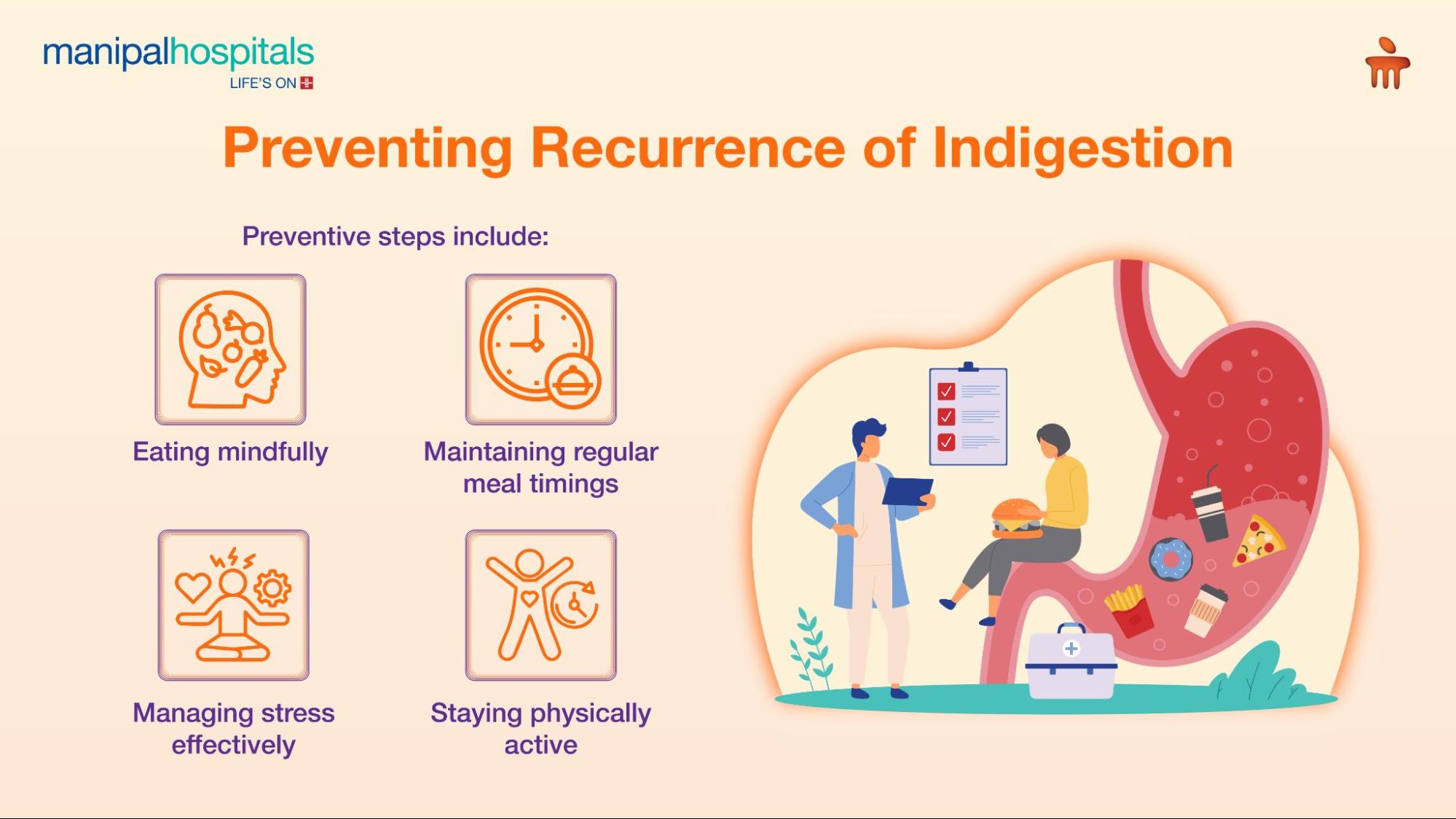
Modern lifestyles often increase the likelihood of digestive discomfort. Irregular meals, late-night eating, and sedentary habits contribute significantly to indigestion symptoms.
Stress is another major contributor. High stress levels affect gut motility and acid production, worsening upset stomach symptoms and delaying digestion. Addressing these lifestyle-related indigestion causes is key to long-term relief.
When Indigestion Symptoms Need Medical Attention
Occasional indigestion is usually harmless, but certain warning signs should not be ignored.
Seek medical advice if indigestion symptoms:
-
Persist for several weeks
-
Are severe or worsening
-
Occur with unexplained weight loss
-
Are associated with difficulty swallowing
-
Cause persistent vomiting or black stools
In such cases, timely consultation with specialists such as our gastroenterologists in Delhi-NCR ensures accurate diagnosis and appropriate indigestion treatment.
Diagnosis of Indigestion
Diagnosing the cause of indigestion symptoms involves a detailed medical history and physical examination. Doctors may ask about eating habits, stress levels, and associated upset stomach symptoms.
Diagnostic tests may include:
-
Blood tests
-
Stool tests
-
Ultrasound or endoscopy
-
Helicobacter pylori testing
Identifying the underlying indigestion causes allows targeted and effective treatment rather than symptom suppression alone.
Indigestion Treatment Options
Effective indigestion treatment depends on the cause and severity of symptoms. Treatment may involve a combination of lifestyle changes, medications, and dietary adjustments.
Medical Indigestion Treatment
Doctors may prescribe:
-
Antacids to neutralise stomach acid
-
H2 blockers or proton pump inhibitors
-
Medications to improve gastric motility
These options help control acid production and reduce indigestion symptoms when used appropriately.
Easy and Effective Indigestion Relief Tips
For many people, simple lifestyle changes provide significant indigestion relief without medication.
Practical Indigestion Relief Strategies:
-
Eat smaller, more frequent meals
-
Avoid lying down immediately after eating
-
Reduce fatty and spicy foods
-
Limit caffeine and alcohol
-
Maintain a healthy weight
These measures target common indigestion causes and reduce pressure on the digestive system.
Home Remedies for Indigestion Relief
Certain natural approaches can complement medical indigestion treatment.
Helpful remedies include:
-
Drinking warm water after meals
-
Ginger or peppermint tea for bloating
-
Avoiding trigger foods
-
Practising stress management techniques
While these methods offer temporary indigestion relief, persistent indigestion symptoms should always be evaluated by healthcare professionals.
Role of Diet in Managing Indigestion Symptoms
Diet plays a central role in controlling indigestion symptoms. Foods rich in fibre, lean proteins, and complex carbohydrates support healthy digestion.
Avoiding known triggers helps minimise upset stomach symptoms and prevents recurrence. A dietitian or specialist, including those working with our gastroenterologists in Delhi-NCR, can help create personalised dietary plans.
Conclusion
Although common, indigestion symptoms should never be dismissed when they become frequent or disruptive. Identifying indigestion causes, understanding the difference between indigestion and upset stomach symptoms, and adopting effective indigestion treatment strategies can significantly improve quality of life.
With appropriate lifestyle changes, timely medical care, and expert support from specialists such as our gastroenterologists in Delhi-NCR, most individuals can achieve lasting indigestion relief and better digestive health.
FAQ's
Common indigestion symptoms include upper abdominal pain, bloating, nausea, heartburn, and feeling full after meals.
Frequent indigestion causes include poor eating habits, stress, acid reflux, gastritis, and certain medications.
Eating smaller meals, avoiding trigger foods, staying upright after eating, and using antacids may provide temporary indigestion relief.
No. Upset stomach symptoms may involve diarrhoea or cramps, while indigestion symptoms mainly affect the upper digestive tract.
Seek medical advice if indigestion symptoms are persistent, severe, or associated with alarming signs like weight loss or difficulty swallowing.
Share this article on: