




 5 Min Read
HPV and cervical cancer remain one of the most significant yet preventable women’s health concerns worldwide. Human papillomavirus (HPV) is a common viral infection, and persistent infection with high-risk HPV types is the leading cause of cervical cancer. With increasing awareness, screening, and vaccination, the burden of HPV and cervical cancer can be reduced dramatically. Early guidance from our gynaecologists in Delhi-NCR often plays a key role in educating women about the importance of timely vaccination, screening, and prevention strategies that save lives.
Synopsis
- Understanding HPV and Cervical Cancer
- How HPV Infection Occurs
- HPV and Cervical Cancer Symptoms
- The Importance of Cervical Screening
- HPV Vaccine and Cervical Cancer Prevention
- Who Should Get the HPV Vaccine?
- HPV Infection Treatment Options
- Lifestyle Measures to Reduce Risk
- Why Early Prevention Matters
- Role of Specialist Care
- Conclusion
Understanding HPV and Cervical Cancer
HPV and cervical cancer are closely linked. HPV is a group of more than 200 related viruses, of which around 14 are considered high-risk for cancer. When these high-risk strains infect the cervix and persist for years, they can cause cellular changes that may progress into cervical cancer.
Most HPV infections are transient and resolve on their own without causing harm. However, when HPV persists, HPV and cervical cancer become a serious health risk, especially in women who miss regular cervical screening.
How HPV Infection Occurs
HPV is primarily transmitted through sexual contact, including vaginal, anal, and oral sex. Because HPV is so common, nearly all sexually active individuals will contract it at some point. Often, people are unaware of the infection because there are no noticeable HPV infection symptoms.
In the early stages, HPV infection symptoms are usually absent, making routine screening essential. When symptoms do occur, HPV infection symptoms may include genital warts, abnormal bleeding, or pelvic discomfort. Recognising HPV infection symptoms early can help in preventing complications related to HPV and cervical cancer.
HPV and Cervical Cancer Symptoms
In its early stages, HPV and cervical cancer may not cause obvious warning signs. This is why awareness of HPV and cervical cancer symptoms is critical. Early HPV and cervical cancer symptoms are often mild or absent, which delays diagnosis.
As the disease progresses, HPV and cervical cancer symptoms may include abnormal vaginal bleeding, pain during intercourse, persistent pelvic pain, or unusual vaginal discharge. Advanced HPV and cervical cancer symptoms can significantly affect quality of life. Prompt evaluation of HPV and cervical cancer symptoms by specialists is vital for early detection and effective management of HPV and cervical cancer.
The Importance of Cervical Screening
Routine cervical screening is one of the most effective tools against HPV and cervical cancer. Screening detects precancerous changes before they turn into cancer. In the UK and many other countries, HPV testing is now the primary screening method.
Screening helps identify HPV early, even before HPV infection symptoms appear. Regular screening significantly reduces the risk of advanced HPV and cervical cancer, reinforcing the importance of preventive care.
HPV Vaccine and Cervical Cancer Prevention
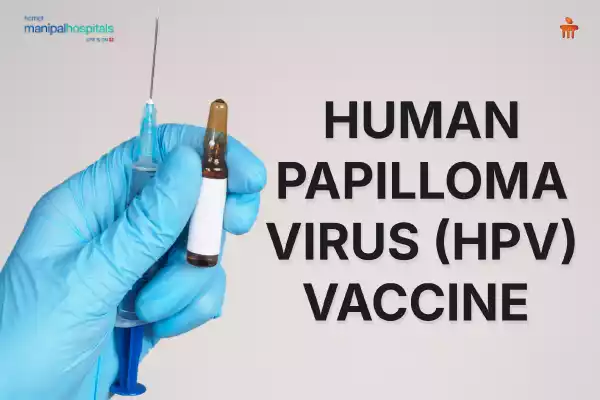
The introduction of the HPV vaccine and cervical cancer prevention programmes has been a major public health success. The HPV vaccine and cervical cancer link is clear: vaccination protects against the most common high-risk HPV strains responsible for cervical cancer.
The HPV vaccine and cervical cancer prevention strategy are most effective when administered before exposure to HPV, ideally during adolescence. However, adults may also benefit from the HPV vaccine and cervical cancer prevention approach. By reducing HPV infection rates, the HPV vaccine and cervical cancer prevention programme significantly lowers cervical cancer incidence.
Widespread use of the HPV vaccine and cervical cancer prevention model has already shown a decline in HPV-related cervical abnormalities globally.
Who Should Get the HPV Vaccine?
The HPV vaccine and cervical cancer prevention strategy are recommended for girls and boys, usually between the ages of 9 and 14. Vaccinating boys also reduces HPV transmission, indirectly protecting women from HPV and cervical cancer.
Adults who were not vaccinated earlier can still benefit from the HPV vaccine and cervical cancer prevention plan after consultation with a healthcare provider.
HPV Infection Treatment Options
There is currently no cure for HPV itself, but HPV infection treatment focuses on managing symptoms and preventing complications. In most cases, the immune system clears HPV naturally without the need for HPV infection treatment.
When abnormalities develop, HPV infection treatment may include monitoring, medications, or procedures to remove precancerous cells. Effective HPV infection treatment helps stop progression to HPV and cervical cancer.
Advanced HPV infection treatment options include surgical procedures, cryotherapy, or laser therapy, depending on the severity. Early HPV infection treatment is key to preventing serious outcomes.
Lifestyle Measures to Reduce Risk
In addition to vaccination and screening, lifestyle changes help reduce the risk of HPV and cervical cancer. These include practising safe sex, quitting smoking, maintaining good genital hygiene, and strengthening immunity through a balanced diet.
Women who consult our gynaecologists in Delhi-NCR often receive personalised prevention plans tailored to their risk profile, helping reduce long-term complications linked to HPV and cervical cancer.
Why Early Prevention Matters
Early prevention through vaccination, screening, and education significantly reduces mortality related to HPV and cervical cancer. Understanding HPV and cervical cancer symptoms, recognising HPV infection symptoms, and seeking timely HPV infection treatment all contribute to better outcomes.
Healthcare awareness campaigns focusing on the HPV vaccine and cervical cancer prevention have proven that cervical cancer can be nearly eliminated with consistent efforts.
Role of Specialist Care
Access to experienced gynaecologists ensures accurate diagnosis and management of HPV and cervical cancer. Regular consultations with our gynaecologists in Delhi-NCR help women stay informed about vaccination schedules, screening intervals, and early warning signs.
Specialist care ensures that HPV infection treatment is aligned with the latest medical guidelines, reducing unnecessary interventions while ensuring patient safety.
Conclusion
HPV and cervical cancer are preventable through awareness, vaccination, and routine screening. Understanding HPV and cervical cancer symptoms, identifying HPV infection symptoms, adopting the HPV vaccine and cervical cancer prevention strategy, and seeking timely HPV infection treatment can save lives. With proactive healthcare and guidance from our gynaecologist in Delhi-NCR, women can take control of their cervical health and significantly reduce the risk of HPV and cervical cancer.
FAQ's
Persistent infection with high-risk HPV strains is the primary cause of HPV and cervical cancer.
Early HPV and cervical cancer symptoms are often absent, which is why screening is essential.
The HPV vaccine and cervical cancer prevention approach are highly effective in reducing HPV infections and cervical cancer risk.
Common HPV infection symptoms may include genital warts or abnormal bleeding, though many infections are asymptomatic.
HPV infection treatment focuses on monitoring and treating abnormal cell changes to prevent progression to cancer.
Share this article on:





