6 Min Read
Liver health plays a central role in overall well-being, as the liver is responsible for detoxification, metabolism, digestion, and nutrient storage. When liver health is compromised, multiple body systems are affected. One of the most common conditions impacting liver health today is fatty liver disease, a disorder increasingly seen due to sedentary lifestyles, dietary habits, and metabolic conditions. Our gastroenterologists in Delhi-NCR emphasise that early awareness and timely management can significantly reverse fatty liver changes and restore optimal liver health.
This comprehensive guide explores liver health in detail, explains fatty liver disease, highlights fatty liver symptoms, outlines causes of fatty liver, discusses diagnostic tests, and reviews effective fatty liver treatment strategies, including diet, medications, and exercise.
Synopsis
- What Is Fatty Liver Disease?
- Why Liver Health Matters More Than Ever
- Fatty Liver Symptoms You Should Not Ignore
- Causes of Fatty Liver and Risk Factors
- Diagnosing Fatty Liver Disease
- Liver Function Tests and What They Reveal
- Fatty Liver Treatment: A Comprehensive Approach
- Diet for Fatty Liver and Healthy Liver Diet Tips
- Exercise for Liver Health
- Medications for Fatty Liver: When Are They Needed?
- Alcoholic Fatty Liver Disease and Liver Health
- Preventing Fatty Liver Disease
- When to Seek Medical Help
- Key Takeaway
What Is Fatty Liver Disease?
Fatty liver disease occurs when excess fat accumulates in liver cells, disrupting normal liver health and function. A small amount of fat in the liver is normal, but when fat content exceeds healthy levels, it leads to inflammation, liver damage, and progressive disease stages.
Types of Fatty Liver Disease
-
Non-alcoholic fatty liver disease (NAFLD): Linked to obesity, diabetes, and metabolic syndrome
-
Alcoholic fatty liver disease: Caused by excessive alcohol consumption
Both forms affect liver health and require targeted fatty liver treatment to prevent complications.
Why Liver Health Matters More Than Ever
Maintaining liver health is critical because the liver:
-
Filters toxins from the blood
-
Produces bile for digestion
-
Regulates cholesterol and blood sugar
-
Stores essential vitamins and minerals
When liver health deteriorates, conditions such as fatty liver disease, cirrhosis, and liver failure can develop silently.
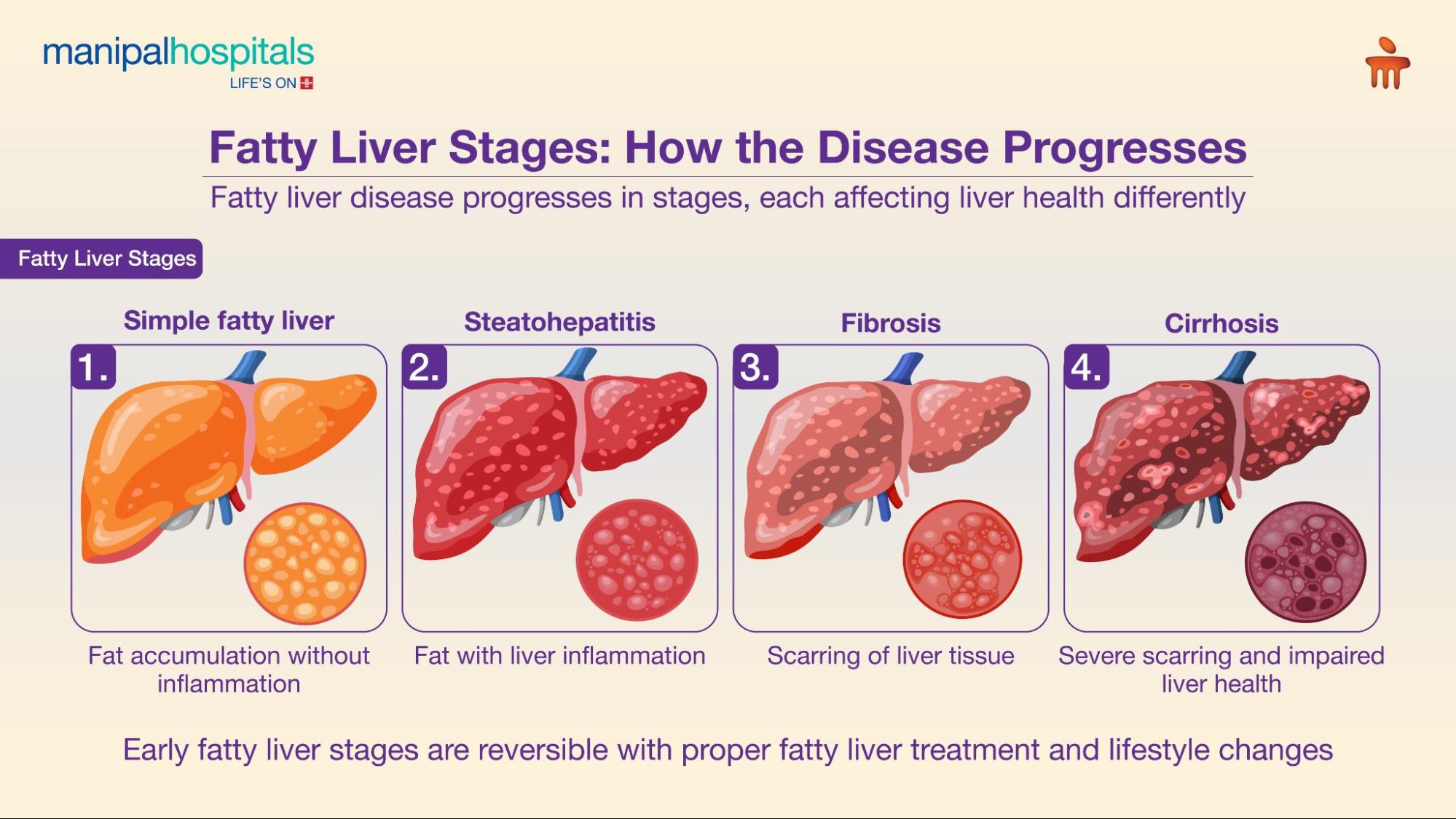
Fatty Liver Symptoms You Should Not Ignore
In the early stages, fatty liver disease may not cause noticeable symptoms. As liver health worsens, fatty liver symptoms may appear.
-
Common Fatty Liver Symptoms
-
Persistent fatigue and weakness
-
Abdominal discomfort on the right side
-
Unexplained weight changes
-
Mild nausea
Advanced fatty liver disease may cause jaundice, swelling, and worsening liver function tests.
Causes of Fatty Liver and Risk Factors
Understanding the causes of fatty liver is essential for protecting liver health. Fatty liver causes are often lifestyle-related but can also be medical.
Major Causes of Fatty Liver
-
Obesity and excess body fat
-
Type 2 diabetes and insulin resistance
-
High cholesterol and triglycerides
-
Alcohol overuse (alcoholic fatty liver disease)
-
Poor diet lacking nutrients
Fatty liver causes also include rapid weight loss, certain medications, and hormonal imbalances.
Diagnosing Fatty Liver Disease
Early diagnosis plays a key role in restoring liver health. Doctors use a combination of clinical evaluation and investigations.
Diagnostic Tools for Fatty Liver
-
Ultrasound for fatty liver to detect fat accumulation
-
Liver function tests to assess enzyme levels
-
Blood tests to evaluate cholesterol and sugar
-
FibroScan or MRI in advanced cases
Our gastroenterologists in Delhi-NCR recommend routine screening for high-risk individuals to preserve liver health.
Liver Function Tests and What They Reveal
Liver function tests measure enzymes like ALT and AST, which rise when liver health is compromised. Elevated values may indicate fatty liver disease or inflammation. Regular monitoring helps track the response to fatty liver treatment.
Fatty Liver Treatment: A Comprehensive Approach
Effective fatty liver treatment focuses on reversing fat accumulation and improving liver health.
Key Components of Fatty Liver Treatment
-
Lifestyle modification
-
Dietary changes
-
Medications for fatty liver when required
-
Managing underlying conditions
There is no single pill that cures fatty liver disease; instead, a holistic approach restores liver health over time.
Diet for Fatty Liver and Healthy Liver Diet Tips
Diet plays a vital role in maintaining liver health. A structured diet for fatty liver helps reduce fat, inflammation, and metabolic stress.
Healthy Liver Diet Guidelines
-
Include whole grains and lean proteins
-
Eat fruits, vegetables, and antioxidants
-
Limit sugar, refined carbs, and saturated fats
-
Avoid alcohol to protect liver health
A healthy liver diet supports natural detoxification and aids fatty liver treatment.
Exercise for Liver Health
Regular physical activity significantly improves liver health and insulin sensitivity.
Benefits of Exercise for Liver Health
-
Reduces liver fat
-
Improves metabolism
-
Supports weight loss
-
Enhances overall liver function
At least 150 minutes of moderate exercise weekly is recommended for fatty liver disease management.
Medications for Fatty Liver: When Are They Needed?
While lifestyle remains the foundation, medications for fatty liver may be prescribed in specific cases to manage cholesterol, diabetes, or inflammation. These medications support liver health indirectly and are tailored individually.
Alcoholic Fatty Liver Disease and Liver Health
Alcoholic fatty liver disease results from prolonged alcohol intake. Abstinence is the most effective fatty liver treatment in such cases. Continued alcohol use severely damages liver health and accelerates progression to cirrhosis.
Preventing Fatty Liver Disease
Protecting liver health requires preventive strategies:
-
Maintain a balanced diet
-
Stay physically active
-
Control blood sugar and cholesterol
-
Avoid excessive alcohol
-
Schedule regular health check-ups
Early intervention preserves liver health and prevents irreversible damage.
When to Seek Medical Help
Consult a specialist if fatty liver symptoms persist or liver function tests are abnormal. Our gastroenterologists in Delhi-NCR focus on early diagnosis and personalised care plans to restore liver health safely and effectively.
Key Takeaway
Liver health is essential for long-term well-being, and fatty liver disease is highly reversible when detected early. Understanding fatty liver causes, symptoms, stages, and treatment options empowers individuals to take proactive steps. With proper diet, exercise, medical guidance, and monitoring, liver health can be restored and maintained for life.
If you are concerned about liver health or fatty liver disease, a timely consultation with our experienced gastroenterologists in Delhi-NCR can make a significant difference in outcomes.
FAQ's
Fatty liver symptoms may include fatigue, mild abdominal discomfort, and abnormal liver function tests.
Yes, early fatty liver stages are reversible with lifestyle changes and proper fatty liver treatment.
Ultrasound for fatty liver is commonly used, along with liver function tests. Fibroscan and ultrasound are commonly used with liver function tests.
No, most cases improve with diet for fatty liver and exercise for liver health; medications are used selectively.
With consistent lifestyle changes, liver health can improve within months, depending on the fatty liver stages.
Share this article on: