6 Min Read
Feeling mentally sluggish, forgetful, or unable to concentrate is a complaint many people experience at some point in their lives. This frustrating state is commonly referred to as brain fog. Understanding brain fog is the first step towards restoring mental clarity and cognitive performance. Often misunderstood as a disease, brain fog is actually a symptom linked to various physical, psychological, and lifestyle factors. Early evaluation by experts, such as our neurologists in Delhi-NCR, can help identify underlying issues and guide appropriate management.
This blog explores brain fog causes in depth, explains common brain fog symptoms, examines mental fog causes, and highlights the role of brain fog stress in slowing mental processes. By understanding what causes brain fog, individuals can take informed steps to regain focus and mental sharpness.
Synopsis
What Is Brain Fog?
Brain fog is a non-medical term used to describe a collection of cognitive symptoms rather than a specific diagnosis. People experiencing brain fog often report feeling mentally slow, distracted, or confused. While it may seem harmless, persistent brain fog can significantly affect productivity, emotional well-being, and quality of life.
Understanding the causes of brain fog is essential because the condition often signals an imbalance in the body or mind that requires attention. Identifying what causes brain fog allows for targeted treatment rather than temporary coping strategies.
Common Brain Fog Symptoms
Recognising brain fog symptoms helps distinguish it from normal tiredness. These symptoms may appear gradually or suddenly and vary in intensity.
Typical brain fog symptoms include:
-
Difficulty concentrating
-
Forgetfulness or poor memory recall
-
Mental fatigue
-
Slower thinking speed
-
Feeling disoriented or “cloudy”
While occasional symptoms are common, persistent brain fog symptoms often point towards deeper mental fog causes that should not be ignored.
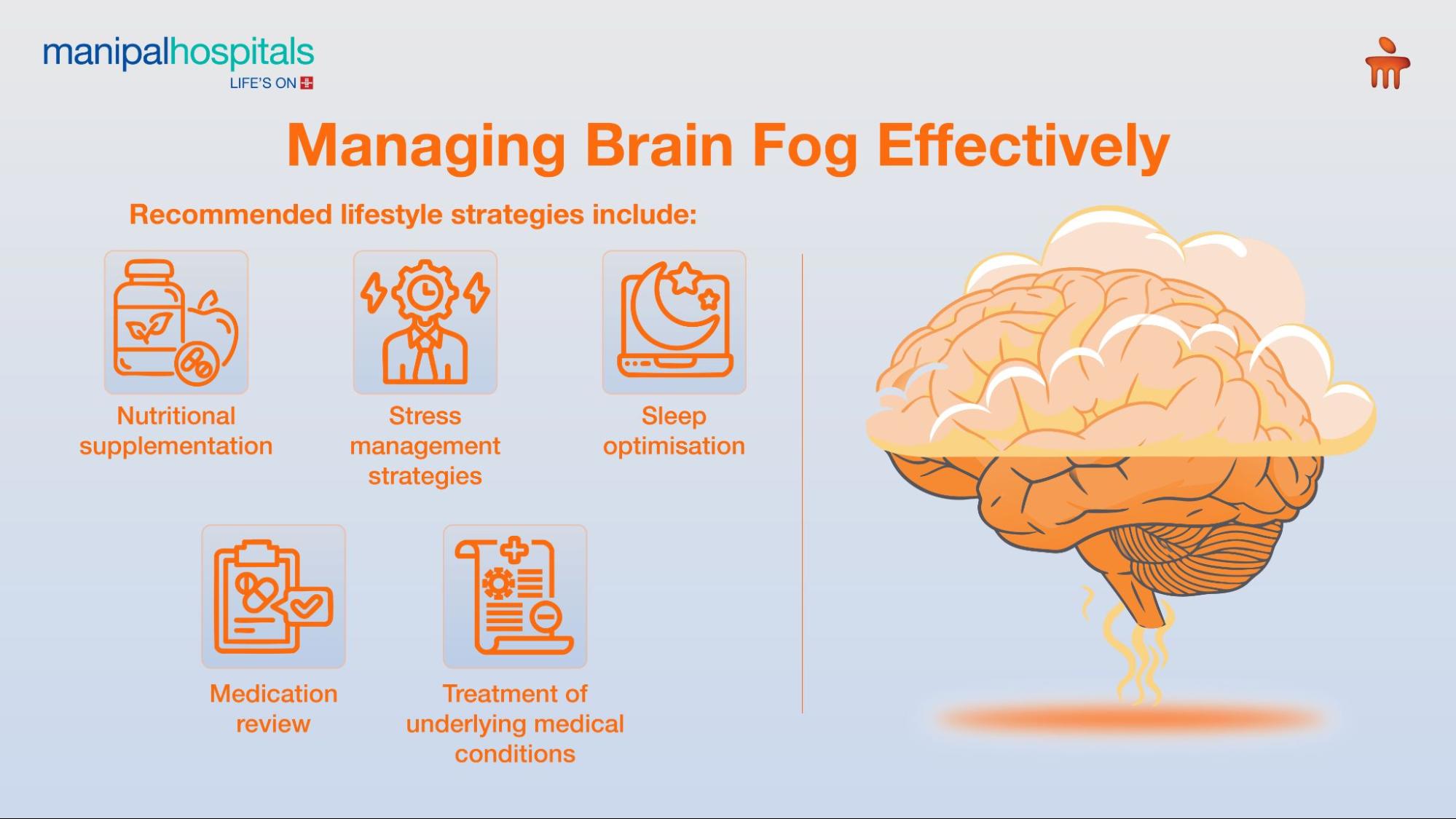
Key Brain Fog Causes You Should Know
There are multiple brain fogs, and they often overlap. Below are some of the most common contributors.
1. Stress and Mental Overload
One of the most common causes of brain fog is chronic stress. Prolonged psychological pressure increases cortisol levels, which can interfere with memory and concentration. Brain fog stress affects the brain’s ability to process information efficiently, making even simple tasks feel overwhelming.
Stress-related mental fog causes are particularly common among working professionals and students. Addressing brain fog stress through relaxation techniques and medical guidance can significantly improve clarity.
2. Sleep Deprivation
Lack of quality sleep is a well-established factor among brain fog causes. Sleep allows the brain to consolidate memories and remove toxins. When sleep is disrupted, brain fog symptoms such as slow thinking and poor focus become more pronounced.
Understanding what causes brain fog often begins with evaluating sleep patterns, especially in individuals experiencing persistent fatigue.
3. Nutritional Deficiencies
Deficiencies in essential nutrients like iron, vitamin B12, and vitamin D are frequently overlooked causes of brain fog. These nutrients play a critical role in brain function and nerve signalling. Inadequate intake or poor absorption can lead to noticeable brain fog symptoms.
Among common mental fog causes, nutritional imbalance is one of the most easily correctable with proper diagnosis and dietary support.
4. Hormonal Imbalances
Hormonal fluctuations are a significant cause of brain fog, especially during pregnancy, menopause, or thyroid disorders. Hormones influence neurotransmitter activity, and imbalances can lead to concentration difficulties and memory lapses.
Evaluating hormonal health is essential when exploring what causes brain fog, particularly in individuals with additional physical symptoms.
5. Medical Conditions
Several medical conditions contribute to brain fog, including:
Certain brain diseases like infection, stroke, etc.
-
Anaemia
-
Diabetes
-
Autoimmune disorders
-
Chronic infections
Neurological conditions may also present with persistent brain fog symptoms, making expert evaluation crucial. In such cases, consultation with our neurologists in Delhi-NCR ensures accurate diagnosis and management.
6. Medications and Treatments
Certain medications, including antihistamines, antidepressants, and painkillers, are recognised as causes of brain fog. These drugs may affect neurotransmitter balance, leading to slowed cognitive processing.
If brain fog symptoms begin after starting a new medication, reviewing treatment options is essential in identifying mental fog.
7. Lifestyle Factors
Sedentary habits, excessive screen time, dehydration, and poor diet are increasingly common causes of brain fog. These factors reduce blood flow to the brain and impair oxygen delivery, worsening cognitive performance.
Lifestyle-related brain fog stress further compounds mental fatigue, making holistic changes vital in managing what causes brain fog.
The Role of Brain Fog Stress
Brain fog stress deserves special attention as both a cause and a consequence of mental slowness. Stress not only triggers brain fog causes but also worsens existing brain fog symptoms, creating a vicious cycle.
Chronic stress impacts sleep, digestion, and hormonal balance—each a known contributor to mental fog causes. Breaking this cycle often requires medical assessment, behavioural changes, and psychological support.
How Brain Fog Is Diagnosed
Diagnosing brain fog involves a detailed medical history, physical examination, and sometimes laboratory tests. Doctors assess:
-
Nutritional status
-
Hormonal balance
-
Sleep quality
-
Stress levels
Persistent or worsening brain fog symptoms may require a neurological evaluation. In complex cases, our neurologists in Delhi-NCR help rule out underlying neurological conditions and develop a personalised treatment plan.
When to Seek Medical Help
Occasional mental slowness is normal, but persistent symptoms should not be ignored. Seek medical advice if:
-
Brain fog interferes with daily functioning
-
Symptoms worsen over time
-
Brain fog is accompanied by headaches, vision changes, or weakness
Early evaluation helps identify what causes brain fog and prevents long-term complications.
Conclusion
Understanding the causes of brain fog is essential for restoring mental clarity and overall well-being. While occasional cognitive slowing is common, persistent brain fog symptoms often signal underlying mental fog causes that require attention. From stress and sleep deprivation to medical conditions, identifying what causes brain fog allows for effective, targeted treatment. With timely evaluation, lifestyle adjustments, and expert guidance, including support from our neurologists in Delhi-NCR, overcoming brain fog is both achievable and sustainable.
FAQ's
The most common brain fog include stress, poor sleep, nutritional deficiencies, hormonal imbalance, and certain medical conditions.
Brain fog symptoms include poor concentration, forgetfulness, mental fatigue, and slowed thinking.
Yes, brain fog stress significantly impacts cognitive processing and is a major contributor to mental fog.
Doctors evaluate medical history, lifestyle factors, blood tests, and sometimes neurological assessments to identify what causes brain fog.
If brain fog symptoms are persistent, worsening, or affecting quality of life, consulting a specialist such as our neurologists in Delhi-NCR is recommended.
Share this article on: