




 6 Min Read
Abdominal pain is a common complaint, but when it progresses rapidly and localises to the lower right side, it may indicate appendicitis. Appendicitis symptoms in adults can vary in intensity and often mimic other digestive conditions, making timely diagnosis critical. With early evaluation by our general surgeons in Delhi-NCR, prompt treatment can prevent serious complications such as appendix rupture and infection. Understanding appendicitis symptoms in adults, diagnostic methods, and modern surgical options like laparoscopic appendectomy empowers patients to seek care without delay.
This comprehensive guide explains appendicitis symptoms in adults, outlines how appendicitis is diagnosed, discusses surgical treatment options, and provides insights into appendectomy recovery time for informed decision-making.
Synopsis
- What Is Appendicitis?
- Common Appendicitis Symptoms in Adults
- Early Warning Signs vs Advanced Symptoms
- Appendix Burst Signs You Should Never Ignore
- How Appendicitis Is Diagnosed
- Imaging Tests for Appendicitis
- Treatment Options for Appendicitis
- What Is a Laparoscopic Appendectomy?
- What to Expect During Appendectomy Recovery Time
- Factors Affecting Appendectomy Recovery Time
- Risks of Delayed Appendicitis Treatment
- Life After Laparoscopic Appendectomy
- When to Seek Immediate Medical Help
- Conclusion
What Is Appendicitis?
Appendicitis is an acute inflammation of the appendix, a small pouch attached to the large intestine. When the appendix becomes blocked by stool, infection, or swelling, inflammation develops rapidly. If untreated, the appendix can burst, spreading infection throughout the abdomen.
Why Appendicitis Is a Medical Emergency
-
Rapid progression from mild pain to severe infection
-
High risk of rupture if delayed
-
Potential for life-threatening complications
Recognising appendicitis symptoms in adults early is the key to avoiding emergencies.
Common Appendicitis Symptoms in Adults
Appendicitis symptoms in adults usually worsen over hours and should never be ignored.
Key Appendicitis Symptoms in Adults
-
Persistent lower right abdominal pain
-
Pain that worsens with movement or coughing
-
Nausea and vomiting
-
Fever and chills
Many appendicitis symptoms in adults begin near the navel and shift downward, helping clinicians differentiate appendicitis from other abdominal issues.
Early Warning Signs vs Advanced Symptoms
Not all cases present identically. Understanding progression helps in timely care.
|
Stage |
Symptoms |
|
Early |
Dull abdominal pain, bloating, mild nausea |
|
Progressive |
Sharp lower right pain, vomiting, and fever |
|
Severe |
Appendix burst signs, severe tenderness, abdominal rigidity |
Prompt attention to early appendicitis symptoms in adults significantly improves outcomes.
Appendix Burst Signs You Should Never Ignore
A ruptured appendix is a serious complication.
Common Appendix Burst Signs
-
Sudden relief of pain followed by severe worsening
-
High fever
-
Rapid heartbeat
-
Severe abdominal swelling
-
Signs of infection or sepsis
If the appendix bursts, emergency surgery becomes unavoidable.
How Appendicitis Is Diagnosed
Diagnosing appendicitis requires a combination of clinical expertise and imaging.
Steps in Appendicitis Diagnosis
-
Detailed evaluation of appendicitis symptoms in adults
-
Physical abdominal examination
-
Blood tests for infection
-
Imaging studies
Our general surgeons in Delhi-NCR rely on accurate diagnostics to confirm appendicitis and rule out similar conditions.
Imaging Tests for Appendicitis
Modern imaging ensures precision and faster decisions.
|
Test |
Purpose |
|
Ultrasound |
Initial screening, especially in thin patients |
|
CT scan |
Gold standard for appendicitis diagnosis |
|
MRI |
Used when radiation must be avoided |
Imaging helps identify complications such as abscesses or an appendix burst.
Treatment Options for Appendicitis
Once confirmed, appendicitis requires prompt intervention.
Appendicitis Treatment Approaches
-
Antibiotics (in selected early cases)
-
Surgical removal of the appendix
Surgery remains the definitive treatment, especially when appendicitis symptoms in adults are severe or progressive.
What Is a Laparoscopic Appendectomy?
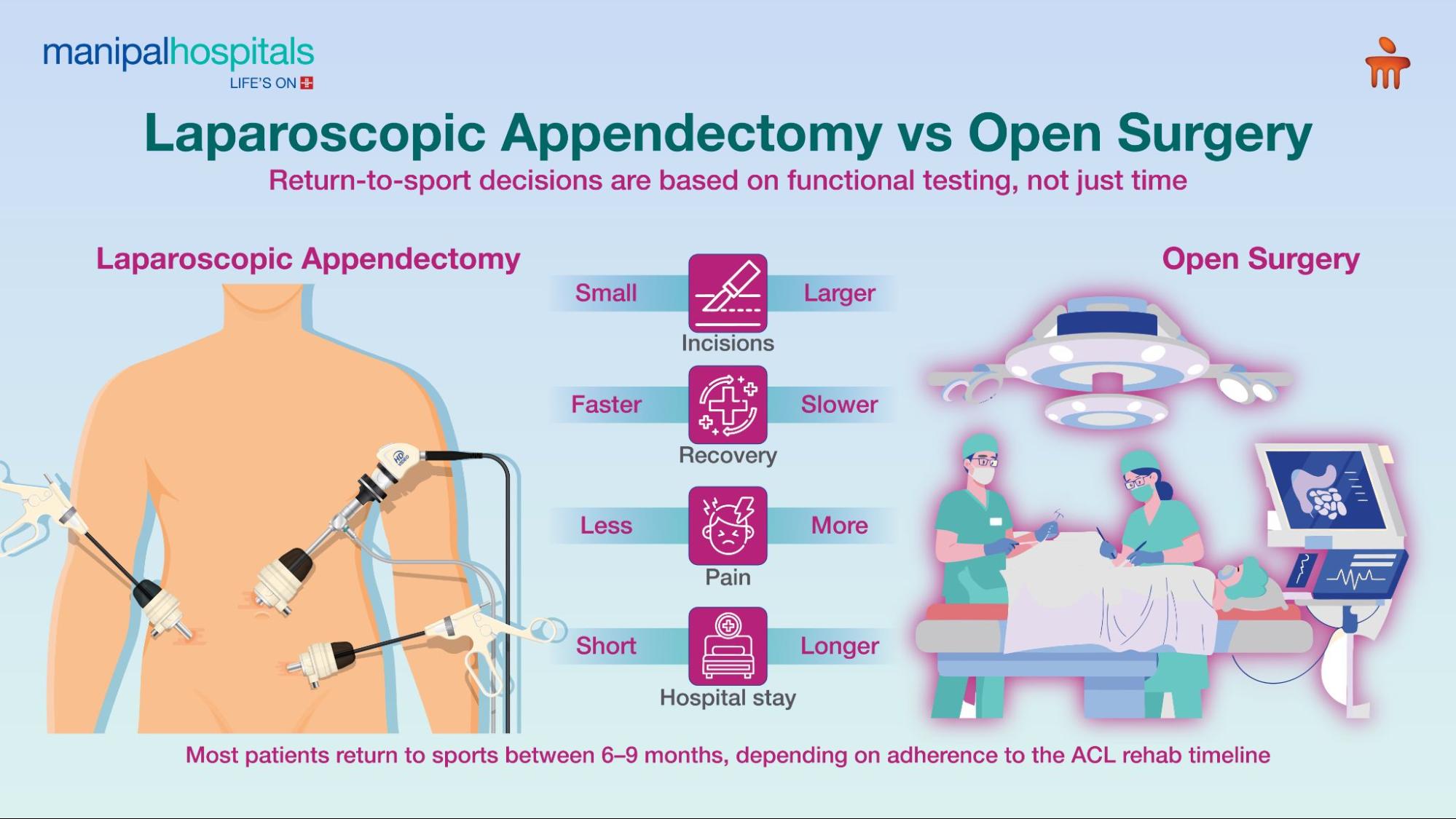
Laparoscopic appendectomy is a minimally invasive surgical technique to remove the appendix using small incisions and a camera-guided approach.
Why Laparoscopic Appendectomy Is Preferred
-
Smaller incisions - Minimally invasive techniques use tiny cuts, resulting in less tissue damage, minimal scarring, and improved cosmetic outcomes after surgery.
-
Reduced pain - Limited surgical trauma leads to significantly less postoperative discomfort, reducing the need for strong pain medications during recovery.
-
Faster appendectomy recovery time - Patients regain mobility sooner, resume daily activities quickly, and experience a shorter hospital stay compared to open surgery.
-
Lower infection risk - Smaller wounds and minimal exposure of internal tissues greatly decrease the chances of surgical site infections and postoperative complications.
Our general surgeons in Delhi-NCR frequently recommend laparoscopic appendectomy due to its safety and quicker recovery profile.
What to Expect During Appendectomy Recovery Time
Understanding appendectomy recovery time helps patients plan.
Typical Appendectomy Recovery Time
-
Hospital stay: 1–2 days
-
Return to daily activities: 7–10 days
-
Full recovery: 2–4 weeks
Recovery may take longer if an appendix burst was present before surgery.
Factors Affecting Appendectomy Recovery Time
Several variables influence healing.
Key Factors
-
Severity of appendicitis
-
Presence of infection
-
Surgical approach used
-
Overall health
Early detection of appendicitis symptoms in adults leads to a smoother recovery.
Risks of Delayed Appendicitis Treatment
Delaying care can be dangerous.
Possible Complications
-
Appendix rupture
-
Abdominal abscess
-
Sepsis
-
Prolonged hospitalisation
Prompt surgery following diagnosis prevents complications and shortens appendectomy recovery time.
Life After Laparoscopic Appendectomy
Most patients resume normal life quickly.
Long-Term Outlook
-
No dietary restrictions long-term
-
No impact on digestion
-
Low recurrence risk
With timely intervention by our general surgeons in Delhi-NCR, outcomes are highly favourable.
When to Seek Immediate Medical Help
Seek urgent care if you experience:
-
Sudden worsening abdominal pain
-
Persistent vomiting
-
Fever with abdominal tenderness
-
Appendix burst signs
Ignoring appendicitis symptoms in adults can turn a treatable condition into a medical emergency.
Conclusion
Recognising appendicitis symptoms in adults and acting promptly is crucial for preventing serious complications. With accurate diagnosis, modern imaging, and minimally invasive options like laparoscopic appendectomy, appendicitis is highly treatable. Understanding appendectomy recovery time and warning signs, such as the appendix burst sign, allows patients to navigate treatment confidently. With expert evaluation and timely care from our general surgeons in Delhi-NCR, patients can expect safe surgery, faster recovery, and excellent long-term outcomes.
FAQ's
Early appendicitis symptoms in adults include mild abdominal pain near the navel, nausea, and loss of appetite.
Appendectomy recovery time is usually 2–4 weeks, with most daily activities resumed within 10 days.
Laparoscopic appendectomy is safe for most adults, though open surgery may be needed in complicated cases.
Severe abdominal pain, high fever, swelling, and sudden pain changes are common appendix burst.
While mild cases may respond temporarily to antibiotics, surgery is the definitive treatment to prevent recurrence.
Share this article on:


.webp "Dr. Salil Yadav | Robotic & Laparoscopic Surgery Specialist in India | Manipal Hospitals")





