1.png)
 7 Min Read
Chronic obstructive pulmonary disease often moves quietly at first. A little cough here. Some breathlessness there. Over time, breathing feels heavier, and the lungs lose their natural rhythm. The biggest trigger for this slow change is smoking. When the lungs meet cigarette smoke again and again, the tiny air sacs struggle to recover. The body tries to cope, yet the irritation grows. Many people learn about this link later in life. Many feel confused about what steps might help them feel better. This is where understanding COPD treatment in Bhubaneswar, early brings genuine comfort and direction.
The challenge feels personal for most people. Breathing is something we rarely think about until it becomes difficult. Quitting smoking becomes the turning point for many. A turning that feels hard yet possible with the right support. When people begin to understand how the lungs respond after leaving cigarettes behind, they often feel hopeful again. This small shift opens the door to long-lasting change.
In this blog, we explore how smoking affects the lungs, how COPD treatment and management can be shaped in simple ways, how quitting helps your airways, and why supportive care, such as COPD rehabilitation and breathing exercises for COPD, gives the lungs space to recover.
Synopsis
- What Exactly Happens Inside the Lungs
- Why Smoking Increases COPD Risk
- Why Quitting is the Most Powerful Step
- Setting the Foundation for COPD Treatment
- The Role of Breathing Exercises in Lung Recovery
- Rehabilitation and Supportive Care
- Lifestyle Habits that Support Healing
- How the Lungs Heal After Quitting
- Prevention Becomes Part of Daily Life
- When to Seek Medical Care
What Exactly Happens Inside the Lungs
Smoking harms the lungs in ways that add up slowly. Each puff carries chemicals that irritate the airway lining. These chemicals settle deep inside the lungs. Over time, they damage the tiny structures that help you breathe comfortably. As the irritation builds, mucus becomes thicker. Coughing becomes frequent. Breathlessness becomes familiar.
People often feel surprised that the lungs do not heal quickly. The tissues remain inflamed for a long time. This condition makes the airways narrow. The lungs find it difficult to push out stale air. This trapped air causes discomfort and makes daily tasks feel tiring. These changes create the core of smoking and COPD, and that's why early care matters.
Another part of this story relates to oxygen. Healthy lungs move oxygen smoothly into the bloodstream. Damaged lungs struggle with this shift. The body works harder to keep oxygen levels steady. This change is why climbing stairs or walking short distances starts feeling unusually tiring. With proper COPD treatment, these everyday activities become lighter again.
Why Smoking Increases COPD Risk
Smoking carries thousands of chemicals. Most of them irritate the delicate lining of the respiratory system. As this irritation becomes ongoing, the lungs begin to lose elasticity. Damaged air sacs cannot expand fully. The airflow slows down and makes breathing uncomfortable.
Some people smoke for years without noticing any major symptoms. Others experience changes early in life. Genetics and lifestyle play a role here. Yet smoking remains the strongest driver for COPD. Many patients say they knew smoking was harmful, yet were not aware of the extent of damage. This aspect is where education becomes a helpful starting point for COPD prevention.
Giving up cigarettes helps the lungs breathe more easily. Within weeks, coughing reduces for many. In months, the airways begin to feel cleaner. The body takes steady steps to repair the lining. These slow improvements lead to better lung health after quitting smoking. Small changes like easier breathing in the morning often motivate people to continue the journey.
Why Quitting is the Most Powerful Step
People often ask whether quitting really makes a difference after years of smoking. The answer is yes. The lungs may not return to perfect condition, yet they regain strength in meaningful ways. Quitting stops further damage. It also reduces the speed at which symptoms progress.
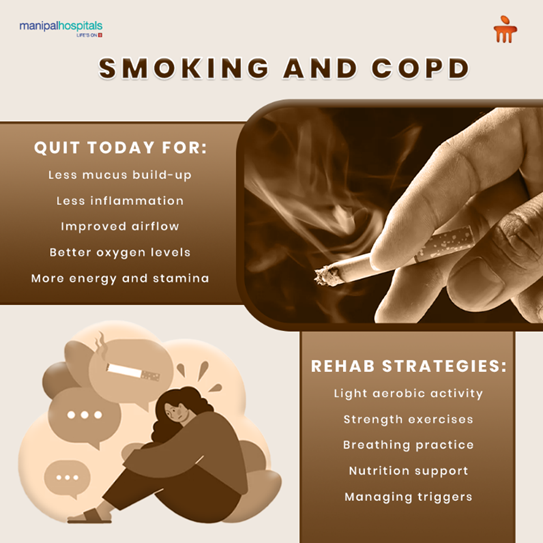
Here are a few ways quitting helps:
-
Less mucus accumulation
-
Smoother airflow through the airways
-
Reduced inflammation inside the lungs
-
Better oxygen movement
-
Improved energy levels
These changes support long-term COPD management. They also help people respond better to medicines and breathing routines. With continued dedication, individuals feel more confident perform daily tasks. The emotional relief of breathing easier motivates many to keep moving forward.
Setting the Foundation for COPD Treatment
A strong plan for COPD treatment includes lifestyle changes, medicines when required, and supportive routines. The foundation lies in quitting smoking. Without this step, the lungs keep facing irritation. Other treatments become less effective.
For many people, treatment begins with simple adjustments such as gentle walks, staying hydrated, and getting proper rest. The focus stays on making breathing smoother. Doctors usually guide patients through personalised steps that feel manageable in daily life.
People often hear the word "treatment" and think of something heavy. Yet COPD care focuses on easing your daily life. It brings stability to the lungs. It helps you feel more comfortable with routine activities. As part of the best treatment for COPD, the care plan may include inhalers, chest physiotherapy, and techniques that help move mucus comfortably.
The Role of Breathing Exercises in Lung Recovery
Gentle breathing routines help the lungs expand better. They loosen tightness in the chest. They also teach the body to use air more efficiently. These small practices form one of the most supportive parts of breathing exercises for COPD.
A few simple routines include:
|
Technique |
Description |
|
Pursed lip breathing |
Breathing in through the nose and exhaling slowly through the lips reduces trapped air and calms the breathing pattern. |
|
Diaphragmatic breathing |
This helps the main breathing muscle work smoothly and reduces strain on the chest. |
|
Slow inhalation practice |
Taking steady, controlled breaths improves oxygen intake and reduces breathlessness during movement. |
Practising these exercises every day strengthens the lungs. They make physical tasks easier. They also support stronger COPD rehabilitation outcomes. Many patients say they feel lighter in the chest and more confident doing small activities.
Rehabilitation and Supportive Care
Pulmonary rehabilitation works like guided training for your lungs. It brings together exercise, breathing routines, education, and emotional support. Many people find it comforting to learn techniques that make daily life easier. This is why COPD rehabilitation becomes a valuable part of the overall plan.
Rehabilitation may include:
-
Light walking routines
-
Strength training for weak muscles
-
Breathing guidance
-
Nutritional suggestions
-
Emotional support sessions
People gain more control over their breathing during this journey. They also learn how to manage symptoms early. Over the months, the lungs adapt to this healthier rhythm. This gradual change plays a big part in long-term COPD prevention and recovery.
Lifestyle Habits that Support Healing
Small habits at home make a big difference. These routines help manage symptoms and support COPD management without feeling overwhelming.
A few supportive habits include:
-
Staying away from secondhand smoke
-
Keeping rooms well ventilated
-
Avoiding heavy perfumes or chemicals
-
Maintaining gentle daily activity
-
Drinking enough water
-
Using inhalers properly
-
Wearing a mask outdoors if pollution is high
These steps give your lungs enough space to breathe freely. They also make your treatment plan more effective. Many people say they feel a sense of control after adopting these small but calming habits.
How the Lungs Heal After Quitting
Recovery does not happen overnight. The lungs heal little by little. Yet these small changes bring noticeable relief. When cigarettes leave your routine, the inflammation decreases. The airways slowly relax. The cough that felt constant starts to ease.
This progress nurtures lung health after quitting smoking. It also brings hope to people who thought improvement was impossible. Simple joys like taking a walk or climbing stairs without heavy breath come back gradually. These improvements often inspire patients to stay consistent with their plan.
Prevention Becomes Part of Daily Life
COPD does not disappear completely. Yet people can keep symptoms under control with consistent routines. Prevention feels more like a lifestyle rather than a strict rule. With healthier habits, the lungs face fewer triggers. This ongoing care supports strong COPD prevention.
Understanding triggers makes prevention easier. Common triggers include smoke, pollution, strong odours, cold air, dust, and infections. Avoiding them keeps the lungs stable. Keeping a list of personal triggers helps people respond early and stay comfortable throughout the day.
When to Seek Medical Care
People often wait until breathlessness becomes too intense. Early care makes a real difference. If you notice frequent coughing, wheezing, morning heaviness in your chest, or unexpected tiredness, medical guidance helps shape a clear plan. Prompt treatment supports all aspects of COPD treatment and keeps flare-ups under control.
If breathing feels heavy or you are searching for guidance on quitting smoking, the respiratory care team at Manipal Hospitals Bhubaneswar can help you take calm and steady steps forward.
FAQ's
Simple habits can help a lot. Clean air, gentle activity, enough water, and regular medicines make each day easier. Adding breathing exercises for COPD gives the lungs more space to move comfortably.
The healing begins within weeks, but the deeper changes take longer. It depends on how long a person smoked and their overall health. Most people feel calmer and breathe once the irritation settles, and lung health after quitting smoking improves month by month.
Avoiding smoking is the strongest way to reduce COPD risk. Staying away from smoke-filled places also protects the lungs. These small choices support long-term COPD prevention for many people.
Rehabilitation teaches gentle exercises, breathing routines, and daily habits that help you move with more comfort. People often feel steadier and more confident after a few sessions. Over time, COPD rehabilitation becomes a key part of a stable routine.
Doctors look at symptoms, lifestyle, and how the lungs respond to basic care. They may suggest inhalers, breathing routines, or physical rehabilitation based on your needs. The plan grows slowly into the best treatment for COPD at Bhubaneswar, one step at a time.
Share this article on: