
Minimally Invasive Spine Surgery (MISS) in Bangalore
Manipal Hospitals Bangalore excels in offering minimally invasive spine surgery in Bangalore, a modern surgical approach that combines precision with minimal tissue disruption. Renowned for its expert surgeons and cutting-edge technology, Manipal Hospitals in Bangalore provides personalised spinal care designed to reduce recovery times and discomfort. Patients benefit from world-class facilities and dedicated teams, making this hospital a trusted choice for those seeking advanced, less invasive spine surgery options.
Hospital Locations
-
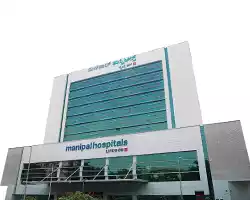
Old Airport Road - Bengaluru
-
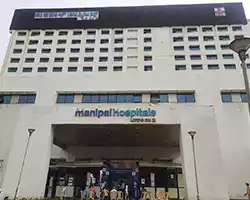
Whitefield - Bengaluru
-

Jayanagar - Bengaluru
-

Malleshwaram - Bengaluru
-
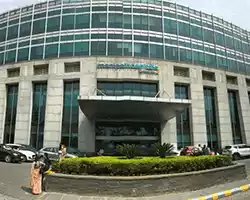
Yeshwanthpur - Bengaluru
-
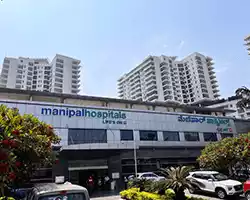
Hebbal - Bengaluru
-
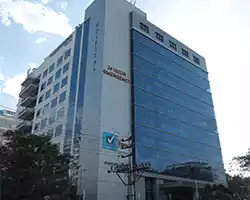
Sarjapur Road - Bengaluru
-
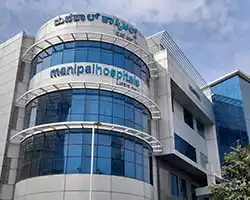
Varthur Road - Whitefield - Bengaluru
-

Doddaballapur - Bengaluru
-
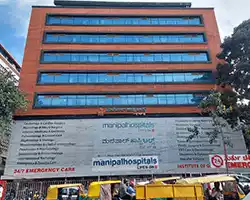
Millers Road - Bengaluru
-
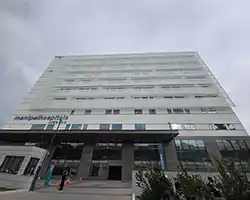
Kanakapura Road - Bengaluru
-
Yelahanka - Bengaluru
How It Works
Minimally invasive spine surgery relies on small incisions, specialised retractors, and high-definition imaging so surgeons can reach the affected vertebral segment with minimal muscle damage. Preoperative planning uses MRI and CT to map nerve compression, alignment, and disc pathology, allowing targeted decompression or stabilisation through narrow corridors rather than wide exposure.
Depending on the condition, techniques may include endoscopic microdiscectomy, percutaneous screw fixation, or navigation-assisted spinal fusion, each designed to reduce pain, preserve mobility, and promote quicker rehabilitation. Patients benefit from smaller scars, shorter hospital stays, and reduced postoperative discomfort compared to conventional surgery. At Manipal Hospitals, our specialists guide every patient through the process, offering clear pre- and post-operative instructions, continuous support, and scheduled imaging to ensure optimal recovery. For patients exploring options, minimally invasive back surgery in Bangalore is explained step by step by our team, with clear perioperative instructions and scheduled imaging checkpoints to monitor healing.
.webp "Minimally Invasive Spine Surgery in Bangalore | Manipal Hospitals")
Didn’t find what you were looking for?
Request a CallbackBenefits
At Manipal Hospitals Bangalore, minimally invasive spine surgery offers precise treatment for spinal disorders with smaller incisions, minimal tissue damage, and faster recovery times. This advanced approach provides numerous benefits, including:
-
Minimally invasive spine surgery at Manipal Hospitals Bangalore delivers focused treatment with fewer visible scars and a quicker return to activity.
-
Smaller incisions and reduced muscle disruption often mean less postoperative pain and lower opioid requirements.
-
Shorter hospital stays and quicker rehabilitation permit a speedier return to daily routines and work.
-
Advanced imaging and navigation improve precision and reduce complication risks when compared with traditional open surgery.
What to Expect
Consultation & Diagnosis
Initial evaluation includes a thorough clinical assessment and imaging (MRI/CT) to confirm the cause of symptoms.
Pre-operative Preparation
You will receive clear advice on fasting, medication adjustments, and optimisation of comorbid conditions before surgery.
Surgery Day
On surgery day, the planned minimally invasive procedure is performed under anaesthesia using image guidance and precise instruments, and this is part of the pathway for the best spine surgery in Bangalore when indicated.
Recovery Room Monitoring
Postoperative monitoring focuses on pain control, neurological checks and early mobilisation to reduce complications.
Hospital Stay
Most patients stay briefly, often one or two days, depending on procedure complexity and recovery speed.
Physical Therapy
A tailored physiotherapy programme begins early to restore movement, strength and function.
Follow-up Appointments
Regular follow-ups and imaging help track bone and soft tissue healing and inform rehabilitation adjustments.
Long-term Recovery
Recovery is gradual, with most patients returning to normal activities over weeks to months under medical supervision.
Why Manipal Hospitals?
Manipal Hospitals Bangalore combines long-standing clinical experience with modern technology to deliver minimally invasive spine care, supported by a multidisciplinary spine unit and rehabilitation services. Our centre emphasises safety, measurable outcomes and patient education.
-
Established spine units with experience in complex and routine procedures
-
Robotic spine surgery suite with the second-generation MazorX Robot, O-arm, and Allen advance table
-
Structured perioperative pathways that reduce infection and readmission risks
-
Comprehensive inpatient and outpatient rehabilitation services that support return to function
-
Access to second opinions and subspecialty access
Centre of Excellence
The Centre of Excellence for Spine Care at Manipal Hospitals Bangalore specialises in minimally invasive and navigation-assisted procedures, combining microsurgical skill with structured rehabilitation and outcome monitoring. While some marketed laser options remain controversial, our unit evaluates technologies against evidence before adoption.
Services Offered
Patients have access to a comprehensive range of spine treatments, including endoscopic and tubular decompression, percutaneous pedicle screw fixation, minimally invasive fusion, revision spine surgery, and targeted pain procedures. Each service is carefully integrated with physiotherapy and pain management programs, ensuring seamless continuity of care from diagnosis through rehabilitation.
Facilities & Services
The centre is equipped with advanced diagnostic systems such as high-resolution MRI and CT scanners, intraoperative navigation, and modular operating theatres designed for precision and safety. Dedicated spine ICUs, specialised rehabilitation suites, and experienced clinical teams work together to provide a supportive environment that promotes healing, stability, and long-term spinal health.
Frequently Asked Questions
Recovery depends on the specific procedure and your overall health, but most patients begin assisted walking the same day or the next day, progressing through physiotherapy over weeks while pain and mobility are closely managed by the team.
Suitability is assessed individually; severe degeneration or prior surgeries may require open or staged approaches, and the multidisciplinary team will explain risks, alternatives, and realistic outcomes before recommending surgery.
Laser tools are not universally superior and lack strong evidence of better outcomes for most spinal conditions, so our centre focuses on evidence-based techniques rather than marketing claims.
Contact the spine surgery team at Manipal Hospitals Bangalore to schedule an assessment; our coordinators assist with pre-authorisation and insurance queries relevant to specific procedures.
Rehabilitation is an essential part of recovery. Patients typically undergo physiotherapy to rebuild strength, flexibility, and posture, along with guidance on ergonomic habits and safe movement techniques. Long-term success often depends on maintaining a healthy weight, avoiding smoking, and following tailored exercise routines prescribed by the rehabilitation team.
Consult our Experts
Hi I am MAI. Chat Now




You’re on Our Indian Website
Visit the Global site for International patient services