.webp "Best Prostate Treatment in Bangalore | Manipal Hospitals")
.webp "Best Prostate Treatment in Bangalore | Manipal Hospitals")
Prostate
Prostate
At Manipal Hospitals in Bangalore, care for men seeking the best prostate treatment in Bangalore focuses on clear understanding and early support. Prostate issues often arise from age-related enlargement, inflammation, or, at times, more complex conditions that affect urinary flow, comfort, and day-to-day well-being. The team evaluates these concerns with steady attention, guiding each person through a calm and structured plan. The aim is to ease symptoms, preserve function, and offer reassurance during each stage of care.
Our Locations
-
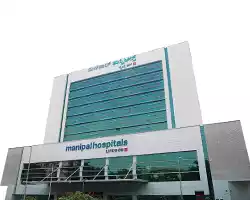
Old Airport Road - Bengaluru
-
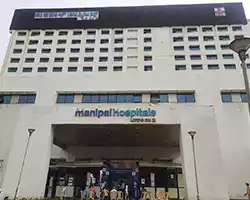
Whitefield - Bengaluru
-

Jayanagar - Bengaluru
-

Malleshwaram - Bengaluru
-

Yeshwanthpur - Bengaluru
-
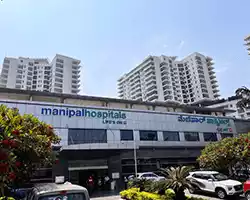
Hebbal - Bengaluru
-

Sarjapur Road - Bengaluru
-
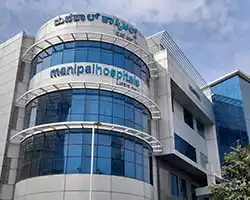
Varthur Road - Whitefield - Bengaluru
-

Doddaballapur - Bengaluru
-
Millers Road - Bengaluru
-

Kanakapura Road - Bengaluru
-

Yelahanka - Bengaluru
Didn’t find what you were looking for?
Get in touch with our representatives for help!
Request a CallbackSymptoms of Prostate
Common signs that lead men to seek the best prostate treatment in Bangalore include frequent urination, reduced urinary flow, discomfort while passing urine, or interrupted sleep due to bladder urgency. These concerns may gradually increase, prompting timely evaluation.
How We Diagnose Prostate
Diagnosis at Manipal Hospitals Bangalore begins with a focused discussion about symptoms, medical history, and any recent changes in urinary patterns. Doctors may recommend blood tests, prostate-specific antigen levels, ultrasound imaging, or other targeted assessments to understand the nature of the condition. Each test adds clarity, allowing a structured plan to be formed for accurate and effective prostate treatment in Bangalore.
Treatment Options
Treatment at Manipal Hospitals in Bangalore may include medication, minimally invasive procedures, or surgical management, depending on the severity and underlying cause. Doctors focus on restoring comfort and stable urinary function while guiding each patient through the most suitable option during the best prostate treatment in Bangalore.
What to Expect
During the best prostate treatment in Bangalore, patients are supported through a steady and well-explained process. Care evolves based on findings, response to treatment, and comfort levels. Recovery steps are outlined clearly, allowing patients to understand how changes may unfold over time. Manipal Hospitals Bangalore aims to minimise discomfort, improve urinary patterns, and guide individuals with clarity throughout the entire course of care.
-
Initial evaluation
-
A thorough review of urinary symptoms, health history, and lifestyle patterns helps guide the early direction of care.
-
-
Focused investigations
-
Blood tests, PSA levels, and imaging studies provide insight into prostate size, structure, and inflammation.
-
-
Personalised treatment planning
-
Doctors outline the most suitable approach, considering symptom severity, age, and long-term goals.
-
-
Guided therapeutic steps
-
Medication, minimally invasive procedures, or surgical options are introduced with clear explanations and paced adjustments.
-
-
Ongoing review
-
Regular follow-up visits allow monitoring of urinary function and ensure the plan remains effective.
-
-
Supportive aftercare
-
Lifestyle advice, fluid management guidance, and monitoring strategies help maintain comfort and prevent symptom recurrence.
-
Consult our Experts
FAQs
-
What symptoms may suggest a prostate problem?
Common symptoms can include frequent urination, weak urine flow, nighttime urination, or difficulty starting to pass urine. These symptoms may be caused by enlargement, inflammation, or cancer, so evaluation is important.
-
What is included in prostate treatment in Bangalore?
Treatment depends on the exact problem. It may involve medicines, monitoring, minimally invasive procedures, or surgery. For cancer, treatment options may also include radiation or hormone therapy, based on the stage and risk level.
-
Is prostate enlargement the same as prostate cancer?
No, they are different conditions. Enlargement is often non-cancerous, while cancer is a separate disease. However, the symptoms can overlap, which is why proper testing is needed before any decision is made.
-
When should a man get prostate screening?
Screening is usually discussed based on age, symptoms, and family history. Men with urinary changes or a strong family history may need earlier evaluation. A doctor can recommend the right timing based on risk.
-
Can prostate problems be treated successfully?
Yes, many prostate conditions respond well to treatment. The outcome depends on the exact diagnosis and how early it is found. With appropriate care, symptoms often improve, and quality of life can be maintained.
Hi I am MAI. Chat Now




You’re on Our Indian Website
Visit the Global site for International patient services