

Morbid Obesity
Morbid Obesity
At Manipal Hospitals in Bangalore, multidisciplinary expertise supports patients embarking on Morbid obesity treatment in Bangalore to address morbid obesity effectively. This severe condition, marked by a BMI exceeding 40 or 35 with comorbidities, stems from prolonged energy surplus, genetic vulnerabilities, hormonal disruptions, or sedentary patterns. Far beyond appearance, it elevates threats of cardiovascular events, type 2 diabetes, osteoarthritis, and respiratory challenges. Manipal Hospitals Bangalore crafts evidence-led, patient-aligned programmes for gradual, enduring transformation.
Treatments Available at
-
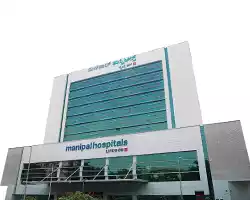
Old Airport Road - Bengaluru
-
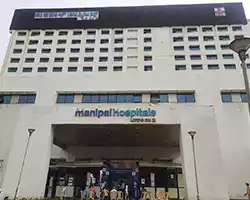
Whitefield - Bengaluru
-

Jayanagar - Bengaluru
-
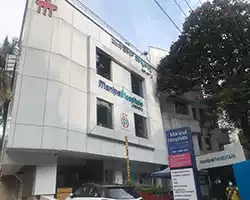
Malleshwaram - Bengaluru
-
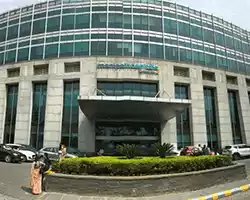
Yeshwanthpur - Bengaluru
-
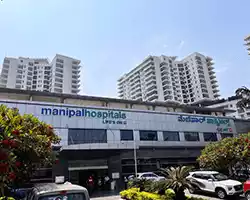
Hebbal - Bengaluru
-
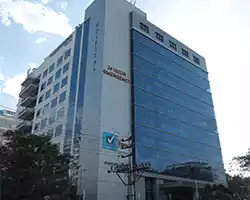
Sarjapur Road - Bengaluru
-
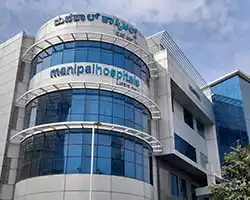
Varthur Road - Whitefield - Bengaluru
-

Doddaballapur - Bengaluru
-
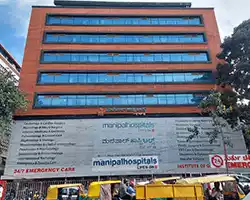
Millers Road - Bengaluru
-

Kanakapura Road - Bengaluru
-
Yelahanka - Bengaluru
Didn’t find what you were looking for?
Get in touch with our representatives for help!
Request a CallbackSymptoms of Morbid Obesity
Individuals seeking obesity treatment in Bangalore often experience exertional breathlessness, chronic fatigue, swollen joints from excess load, obstructive sleep apnea, and skin fold irritations. Psychological strains, including diminished self-esteem and social isolation, frequently compound these physical manifestations.
How We Diagnose Morbid Obesity
At Manipal Hospitals in Bangalore, initial evaluation encompasses precise BMI computation, waist circumference measurement, and comprehensive medical profiling, including family history and lifestyle audit. Laboratory panels assess lipid profiles, glycaemic control, thyroid function, and inflammatory markers. Advanced body composition scans or echocardiography detect organ strain early. This layered approach ensures targeted, holistic morbid obesity treatment in Bangalore.
Treatment Options
Comprehensive Weight Loss treatment in Bangalore integrates medical nutrition therapy, supervised exercise protocols, pharmacotherapeutic aids, cognitive behavioural interventions, and metabolic surgery for eligible cases. Manipal Hospitals Bangalore emphasises progressive, monitored strategies yielding sustainable health gains.
What to Expect
Embarking on morbid obesity treatment in Bangalore at Manipal Hospitals reveals a methodical, encouraging progression. Every phase prioritises safety, motivation, and individual rhythm for enduring change.
-
Testing Diagnostics
-
Multi-modality (multimodal) evaluation diagnostics include Biochemical testing, DEXA scan (dual-energy x-ray absorptiometry), and functional/physiological testing (cardio-respiratory testing) to assess metabolic dysfunction & fat distribution and comorbidities and all serve as a guide to provide interventions.
-
-
Collaborative Treatment Plan
-
We use a collaborative format to create a treatment plan that includes weight loss treatment in Bangalore. The treatment plan incorporates caloric prescription (dietary recommendations), resistance training, adjunct medication (medication used in conjunction with other treatments), or endoscopy/surgery based on physiological profile & preferences.
-
-
Monitoring
-
Bi-weekly or monthly evaluations will assess the status of adherence, progress, and tolerability to make necessary adjustments, allowing timely interventions to keep you on track and avoid hitting a plateau.
-
-
Lifestyle Education
-
The lifestyle education encompasses macronutrient balancing, progressive physical conditioning, sleep optimisation, stress-resiliency training, and empowerment for self-care.
-
-
Patient Outcomes
-
As the patient progresses through various phases of the programme, their energy levels will rise, metabolic parameters will normalise, pain will decrease, and emotional fortitude will improve, resulting in unrestricted mobility.
-
Manipal Hospitals in Bangalore champions discreet, forward-thinking care, guiding each person to renewed strength and poise.
Consult our Experts
FAQs
-
Why is morbid obesity considered a serious health concern?
Morbid obesity can increase the risk of diabetes, heart disease, joint pain, sleep problems, and reduced mobility. It can also affect confidence and daily comfort. Early medical support often makes long-term change more achievable.
-
How do doctors approach patients with weight loss treatment in Bangalore?
Treatment is usually structured and medically supervised. It may include diet planning, physical activity, behavioural support, medicines, and sometimes surgery. The right plan depends on health status, body weight, and previous weight-loss attempts.
-
Can weight loss be achieved without surgery?
Yes, many people begin with non-surgical methods. A supervised diet, activity plan, and medical monitoring can produce meaningful progress. Surgery is considered mainly when obesity is severe or other methods have not been successful.
-
Why is professional guidance important for weight reduction?
Professional guidance helps avoid unrealistic diets and unsafe methods. It also allows the team to monitor diabetes, blood pressure, and other risks while supporting steady progress. That usually leads to better long-term results.
-
Is emotional support part of obesity care?
Yes, it often is. Many people struggle with stress eating, low confidence, or repeated failed attempts. Supportive care can help build healthier habits and improve consistency, which matters as much as the treatment itself.



You’re on Our Indian Website
Visit the Global site for International patient services