3.webp "Hernia Treatment in Bangalore | Manipal Hospitals")
_(1)4.webp "Hernia Treatment in Bangalore | Manipal Hospitals")
Hernia (Inguinal)
Hernia (Inguinal)
At Manipal Hospitals in Bangalore, people seeking hernia treatment in Bangalore are often diagnosed with an inguinal hernia. It develops when tissue slips through a weak area in the groin. Many notice a bulge or discomfort that increases with standing or lifting. Doctors assess size, symptoms, and activity limits before recommending a treatment plan aimed at preventing complications and supporting comfortable daily movement.
Our Locations
-

Old Airport Road - Bengaluru
-

Whitefield - Bengaluru
-

Jayanagar - Bengaluru
-

Malleshwaram - Bengaluru
-

Yeshwanthpur - Bengaluru
-

Hebbal - Bengaluru
-

Sarjapur Road - Bengaluru
-

Varthur Road - Whitefield - Bengaluru
-

Doddaballapur - Bengaluru
-
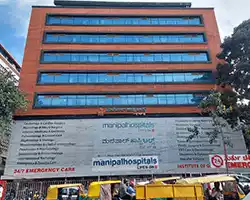
Millers Road - Bengaluru
-

Kanakapura Road - Bengaluru
-
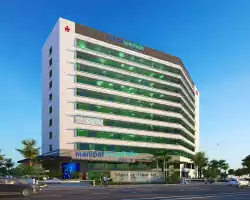
Yelahanka - Bengaluru
Didn’t find what you were looking for?
Get in touch with our representatives for help!
Request a CallbackSymptoms of Hernia (Inguinal)
These are some of the most common signs: a groin bulge that can be seen or felt, pulling sensations, and pain during lifting. Those looking for the best hernia treatment in Bangalore usually say that the pain is aggravated by exertion and relieved by rest.
How We Diagnose Hernia (Inguinal)
Diagnosis at Manipal Hospitals Bangalore is mainly clinical. The doctor examines the groin while the patient stands or coughs to check the hernia’s behaviour. Ultrasound is used when the bulge is small or when the findings are unclear. These steps help determine the right approach for hernia surgery in Bangalore.
Treatment Options
Surgical repair is the standard treatment. At Manipal Hospitals in Bangalore, open or minimally invasive techniques may be recommended depending on the hernia’s size, patient health, and expected recovery needs. The aim is stable, long-lasting repair.
What to Expect
During hernia treatment in Bangalore at Manipal Hospitals, patients begin with a simple evaluation of symptoms and groin anatomy. When surgery is advised, the doctor explains the repair method, including whether mesh reinforcement is appropriate. Minimally invasive options may be suitable for some, offering shorter recovery times.
After surgery, most patients experience gradual relief from the bulge and related pressure. Pain is managed with medication, and activity is increased slowly under guidance. Clear instructions are given on lifting, walking, and returning to work. Follow-up appointments help confirm healing and detect any concerns early.
Lifestyle advice, such as avoiding heavy strain and improving core support, may also be included. Overall care focuses on safety, good recovery, and reducing the chance of the hernia returning.
-
Initial evaluation: Assessment of bulge behaviour, symptoms, and daily limitations.
-
Focused investigations: Ultrasound is used when clinical findings need clarification.
-
Personalised treatment planning: Surgical approach chosen based on hernia type and patient needs.
-
Guided therapy sessions: Repair performed with attention to stability and patient comfort.
-
Ongoing review: Regular follow-ups confirm healing.
-
Supportive aftercare: Advice on activity, lifting, and preventing future strain.
Manipal Hospitals in Bangalore offers clear, dependable care, supporting patients with inguinal hernias through safe repair and steady recovery.
Consult our Experts
FAQs
-
How can I tell if I have an inguinal hernia?
You might see a soft bulge in your groin, especially when you stand up or cough. Some people feel a mild ache or heaviness. See a doctor to confirm if it is a hernia and choose the right treatment in Bangalore.
-
Is it possible for an inguinal hernia to go away on its own?
No, hernias do not go away on their own. Sometimes they stay the same for a while, but you usually need medical care to avoid pain or other problems later.
-
Do you always need surgery for an inguinal hernia?
No surgery is usually recommended in severe cases. For mild cases, they might suggest simply monitoring the hernia. The doctor will assess your symptoms and the size of the hernia to decide the best approach.
-
What things should I not do if I have a hernia?
Try not to lift heavy things, strain, or put sudden pressure on your stomach, since these actions can make your symptoms worse. Doctors usually suggest simple ways to manage pain until you get the right treatment.
-
How long does it take to heal after hernia surgery?
The healing time is not the same for all patients. But most people can start light activities after a few days. Gradually introducing your normal routine can help the body to heal and make you feel better.
Hi I am MAI. Chat Now




You’re on Our Indian Website
Visit the Global site for International patient services