4.webp "Piles Treatment in Bangalore | Manipal Hospitals")

Hemorrhoids
Hemorrhoids
At Manipal Hospitals in Bangalore, patients seeking piles treatment in Bangalore are evaluated for haemorrhoids, which are swollen veins in the anal region. They may cause bleeding, pain, or itching. Symptoms often appear with straining or prolonged sitting. Doctors assess severity, review lifestyle factors, and guide treatment based on whether the condition is internal or external, helping patients regain comfort and normal routine.
Our Locations
-

Old Airport Road - Bengaluru
-

Whitefield - Bengaluru
-

Jayanagar - Bengaluru
-

Malleshwaram - Bengaluru
-

Yeshwanthpur - Bengaluru
-
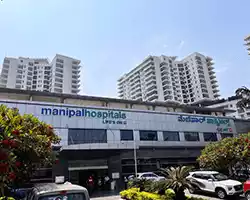
Hebbal - Bengaluru
-

Sarjapur Road - Bengaluru
-
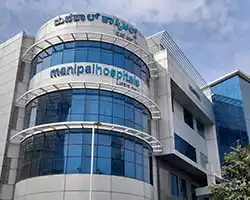
Varthur Road - Whitefield - Bengaluru
-

Doddaballapur - Bengaluru
-
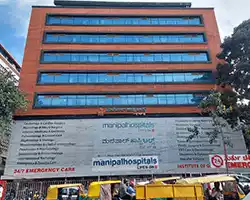
Millers Road - Bengaluru
-

Kanakapura Road - Bengaluru
-

Yelahanka - Bengaluru
Didn’t find what you were looking for?
Get in touch with our representatives for help!
Request a CallbackSymptoms of Hemorrhoids
People visiting the best hospital for piles treatment in Bangalore commonly report rectal bleeding, swelling, itching, or discomfort during bowel movements. Symptoms may come and go, especially during constipation or prolonged sitting.
How We Diagnose Hemorrhoids
Diagnosis at Manipal Hospitals Bangalore includes a clinical examination and, when needed, anoscopy to view the inner anal canal. Doctors examine for bleeding sources, swelling, and the severity grade. These findings help determine the most suitable plan at a piles treatment hospital in Bangalore.
Treatment Options
Treatment may include medication, dietary changes, office procedures such as banding, or surgical intervention for advanced cases. At Manipal Hospitals in Bangalore, the approach depends on symptom severity and patient comfort needs.
What to Expect
During care for haemorrhoids at Manipal Hospitals, patients seeking the top piles treatment in Bangalore can expect a clear and simple evaluation. Doctors review symptoms, bowel habits, and any triggers such as straining or prolonged sitting. Early-stage haemorrhoids may be managed with medication, fibre guidance, and routine adjustments.
If symptoms persist, minimally invasive procedures like banding, infrared coagulation, or injection therapy may be recommended. These are usually quick and require only brief recovery. Surgical treatment is considered for larger or recurrent haemorrhoids.
Most patients experience gradual relief once treatment begins. Follow-up visits help monitor progress and evaluate whether additional support is required. Lifestyle advice focuses on hydration, diet, and bowel regularity to prevent recurrence. The overall goal is to reduce discomfort and restore ease with daily activities.
-
Initial evaluation: Review of symptoms, bowel routine, and triggering factors.
-
Focused investigations: Anoscopy when internal haemorrhoids need assessment.
-
Personalised treatment planning: Plan based on haemorrhoid grade and symptoms.
-
Guided therapy sessions: Medication, office procedures, or surgery as required.
-
Ongoing review: Regular follow-ups to check symptom improvement.
-
Supportive aftercare: Advice on diet, hydration, and bowel habits.
Manipal Hospitals in Bangalore provides clear, practical care for haemorrhoids, helping patients achieve symptom relief and long-term comfort.
Consult our Experts
FAQs
-
What are the most common signs of hemorrhoids?
Common symptoms are pain, itching, swelling, or bleeding during bowel movements. If these symptoms do not go away, it is a good idea to visit a hospital in Bangalore that treats piles, even though most cases can be managed easily.
-
Is it possible for piles to go away on their own?
Diet and lifestyle changes may help mild cases, but ongoing pain usually needs medical attention. Taking care of yourself early can help prevent symptoms from getting worse.
-
Is constipation the only thing that causes piles?
Constipation is a common cause, but sitting too long, pregnancy, or straining can also make piles worse. Doctors look at several things before choosing the right treatment.
-
Do you always need surgery for piles?
No, not always. Many cases get better with medicine or simple treatments. Surgery is only needed if symptoms are very bad or do not get better with other care.
-
What can I do to stop piles from coming back?
To lower the risk ofTo lower the risk of recurrence, eat plenty of fibre, drink enough water, and avoid straining for long periods. Small changes to your daily life can have a big effect.
Hi I am MAI. Chat Now




You’re on Our Indian Website
Visit the Global site for International patient services