.webp "Lung Failure Treatment in Bangalore | Manipal Hospitals")

End Stage Lung Disease
End Stage Lung Disease
At Manipal Hospitals in Bangalore, patients evaluated for lung failure treatment in Bangalore may be diagnosed with end-stage lung disease. At this stage, the lungs are unable to maintain adequate oxygen levels. Breathing becomes difficult even during simple activities. Doctors assess lung function, oxygen needs, and overall stability to decide on supportive care, ventilation support, or transplant assessment.
Our Locations
-
Old Airport Road - Bengaluru
-
Whitefield - Bengaluru
-
Jayanagar - Bengaluru
-
Malleshwaram - Bengaluru
-
Yeshwanthpur - Bengaluru
-
Hebbal - Bengaluru
-
Sarjapur Road - Bengaluru
-
Varthur Road - Whitefield - Bengaluru
-

Doddaballapur - Bengaluru
-
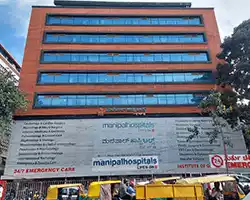
Millers Road - Bengaluru
-
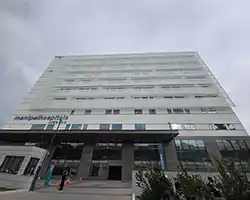
Kanakapura Road - Bengaluru
-
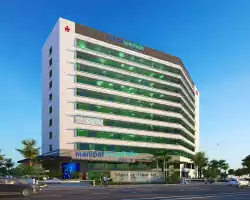
Yelahanka - Bengaluru
Didn’t find what you were looking for?
Get in touch with our representatives for help!
Request a CallbackSymptoms of End Stage Lung Disease
People seeking respiratory failure treatment in Bangalore often report severe breathlessness, chronic cough, fatigue, and reduced exercise tolerance. Symptoms may worsen during infections or minor physical effort.
How We Diagnose End Stage Lung Disease
Diagnosis at Manipal Hospitals Bangalore includes lung function tests, blood gas analysis, imaging such as X-ray or CT, and oxygen monitoring. These assessments help identify the extent of respiratory failure and guide further management. Findings determine the most appropriate path for continued lung failure treatment in Bangalore.
Treatment Options
Treatment may include oxygen therapy, inhaled medication, non-invasive ventilation, pulmonary rehabilitation, or transplant evaluation. Plans are adjusted according to disease severity, oxygen levels, and daily limitations.
What to Expect
During care at Manipal Hospitals, patients seeking lung failure treatment in Bangalore begin with an assessment of breathing difficulty, lung tests, and oxygen status. Doctors explain available support options, including oxygen therapy and non-invasive ventilation. These methods help reduce breathing effort and maintain safer oxygen levels.
Pulmonary rehabilitation may be suggested to help improve endurance and manage breathlessness during daily tasks. Patients are given guidance on pacing, breathing exercises, and recognising early signs of worsening symptoms.
Regular follow-up visits monitor oxygen needs, lung function trends, and response to therapy. If lung function continues to decline despite treatment, transplant evaluation may be discussed. Infection-prevention strategies are provided because minor illnesses can lead to rapid worsening. The overall aim is to maintain comfort, support breathing, and reduce complications.
-
Initial evaluation: Review of symptoms and oxygen needs.
-
Focused investigations: Lung function tests, imaging, and blood gas analysis.
-
Personalised treatment planning: Oxygen therapy, ventilation, or rehabilitation discussed.
-
Guided therapy sessions: Supportive breathing strategies introduced.
-
Ongoing review: Monitoring of symptoms and lung capacity.
-
Supportive aftercare: Infection prevention, nutrition, and activity guidance.
Manipal Hospitals in Bangalore provides clear and steady care for end-stage lung disease, helping patients manage breathing difficulties with structured support.
Consult our Experts
FAQs
-
What does "end-stage lung disease" mean?
It means the lungs are badly damaged, and breathing is hard. Patients may need special care, like help with serious breathing problems in Bangalore, to keep their oxygen levels and health steady.
-
What are some common signs of advanced lung disease?
It's common to have trouble breathing, feel tired, and not be able to exercise as much. These symptoms often worsen slowly, so it's important to watch for them early and act quickly.
-
Is it possible for lung function to get better at this point?
Treatment helps manage symptoms and improve how people feel, even if a full cure is not possible. These treatments can make life better.
-
What kinds of treatments are there for severe lung disease?
You might get oxygen, medicine, or stronger treatments. Doctors change the treatment plan based on how you are doing.
-
How can people with lung disease live their daily lives?
Simple changes, like pacing activities, using breathing techniques, and following medical advice, can help you stay independent and feel better.
Hi I am MAI. Chat Now




You’re on Our Indian Website
Visit the Global site for International patient services