

Bladder Cancer
Bladder Cancer
At Manipal Hospitals in Bangalore, patients visiting for bladder cancer treatment in Bangalore are assessed for abnormal cell growth inside the bladder lining. Symptoms may include blood in the urine or changes in urinary habits. Doctors evaluate tumour size, depth, and type. Treatment aims to control the cancer, preserve bladder function where possible, and prevent recurrence.
Our Locations
-
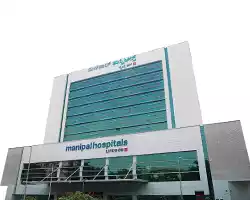
Old Airport Road - Bengaluru
-
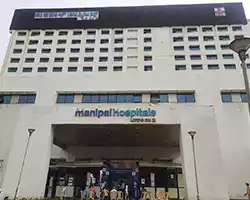
Whitefield - Bengaluru
-

Jayanagar - Bengaluru
-

Malleshwaram - Bengaluru
-
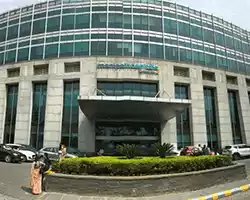
Yeshwanthpur - Bengaluru
-
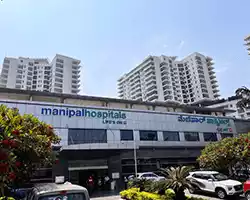
Hebbal - Bengaluru
-
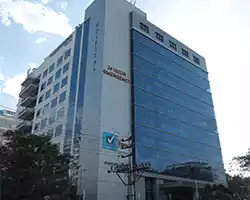
Sarjapur Road - Bengaluru
-
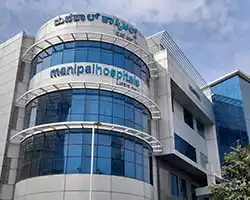
Varthur Road - Whitefield - Bengaluru
-

Doddaballapur - Bengaluru
-
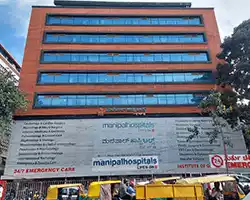
Millers Road - Bengaluru
-
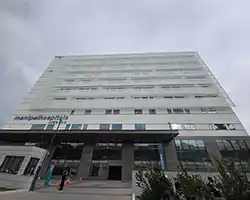
Kanakapura Road - Bengaluru
-
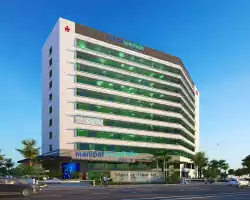
Yelahanka - Bengaluru
Didn’t find what you were looking for?
Get in touch with our representatives for help!
Request a CallbackSymptoms of Bladder Cancer
Symptoms may include blood in urine, frequent urination, burning, or lower abdominal discomfort. Many patients seek care when urine changes continue or return repeatedly.
How We Diagnose Bladder Cancer
Diagnosis at Manipal Hospitals Bangalore includes urine tests, ultrasound, CT scans, and cystoscopy to view the bladder directly. Biopsy confirms tumour type and stage. These findings guide decisions for urinary bladder cancer treatment in Bangalore.
Treatment Options
The treatment can be a removal of the tumour by endoscopic surgery, intravesical therapy, chemotherapy, radiation, or radical surgery, depending on the tumour stage. Different plans are available for early, advanced, and recurrent stages of the disease.
What to Expect
During care at Manipal Hospitals, patients seeking bladder tumour treatment in Bangalore begin with evaluation of symptoms and scan findings. Cystoscopy helps confirm the presence of a tumour. If the tumour is small and superficial, it may be removed using an endoscopic procedure.
For tumours with deeper involvement, additional treatments such as intravesical therapy or chemotherapy may be required. Radiation therapy may be considered for select cases. Advanced cancers may need partial or complete bladder removal, depending on the spread and overall condition.
Follow-up visits are important to detect recurrence, as bladder cancer can return. Urine tests and imaging are repeated at set intervals. Patients receive guidance about hydration, lifestyle changes, and when to seek review for urinary changes.
Care aims to manage the tumour effectively, maintain bladder function whenever possible, and monitor long-term health.
-
Initial evaluation: Symptom review and urine tests.
-
Focused investigations: Ultrasound, CT, and cystoscopy.
-
Personalised treatment planning: Endoscopic removal, therapy, or surgery.
-
Guided therapy sessions: Procedures or treatments explained and performed.
-
Ongoing review: Monitoring for recurrence and symptom changes.
-
Supportive aftercare: Lifestyle and follow-up guidance.
Manipal Hospitals in Bangalore offers structured and clear care for bladder cancer with a focus on accurate diagnosis, safe treatment, and ongoing monitoring.
Consult our Experts
FAQs
-
What are the first signs of bladder cancer?
Early signs can include blood in the urine, frequent urination, or pain when urinating. Seeing a doctor quickly helps you begin treatment for bladder cancer in Bangalore as soon as possible.
-
Can bladder cancer be treated?
Yes, many cases can be treated, especially when found early. The type and stage of cancer, along with your overall health and response to treatment, all play a role in choosing the best approach.
-
What kinds of tests are used to find out if someone has bladder cancer?
Doctors may recommend urine tests, imaging scans, or a cystoscopy. These tests help doctors in Bangalore find out what is happening and decide on the best treatment for bladder tumours.
-
Is it possible for bladder cancer to come back after treatment?
Yes, regular follow-ups are important because bladder cancer can return. Ongoing check-ups help catch any changes early and allow your doctor to adjust your treatment if needed.
-
How long does it take to pass a stone?
Small stones (less than 4mm) usually pass on their own within 1 to 2 weeks. Larger stones may get stuck in the urinary tract, requiring medical intervention like lithotripsy (shock waves) or surgery to break them up.
-
What kinds of treatments are there?
Treatment may include surgery, chemotherapy, or immunotherapy. The best approach for bladder cancer in Bangalore depends on your specific condition and the stage of the disease.
-
Can I prevent them from coming back?
Yes. The most effective prevention is drinking plenty of water (enough to keep urine clear). Reducing salt intake and limiting animal proteins can also help, as high sodium causes the kidneys to excrete more calcium into the urine.
Hi I am MAI. Chat Now




You’re on Our Indian Website
Visit the Global site for International patient services