




 8 Min Read
In the journey toward optimal health, understanding key diagnostic tools is paramount. Among these, the Fasting Blood Sugar (FBS) test stands out as a crucial indicator, providing vital information about your body's ability to manage glucose, enabling proactive steps towards a healthier future. In this comprehensive guide, we will demystify the FBS test, explaining its significance, what the results mean, and why it's a cornerstone of preventive healthcare.
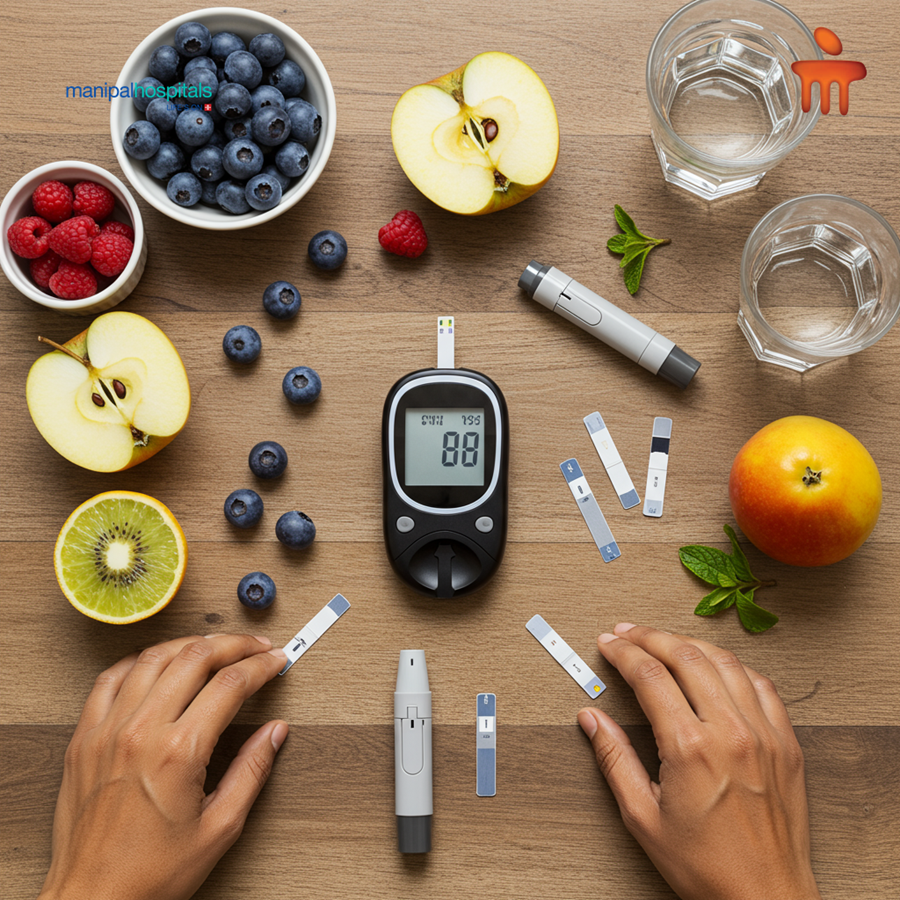
Synopsis
Understanding the FBS Test: A Crucial Indicator for Diabetes
What is the FBS Test?
The FBS test, or Fasting Blood Sugar test, measures the amount of glucose (sugar) in your blood after a period of fasting. Glucose is your body's primary source of energy, derived from the food you eat. Insulin, a hormone produced by the pancreas, helps transport glucose from your bloodstream into your cells. When this process is disrupted, blood sugar levels can rise, potentially leading to serious health issues.
Understanding the FBS meaning in blood test results is essential. It provides a snapshot of your glucose metabolism, indicating how well your body is regulating sugar without the immediate influence of recent meals. It's a simple yet powerful diagnostic tool for identifying conditions like prediabetes and diabetes early on.
Why is an FBS test performed?
A healthcare provider might recommend an FBS test for several reasons, primarily to:
-
Screen for Diabetes: It's a standard screening test for type 1 and type 2 diabetes, especially for individuals with risk factors.
-
Diagnose Prediabetes: Early detection of prediabetes, a condition where blood sugar levels are higher than normal but not yet high enough to be classified as diabetes, is critical. Studies indicate that early diagnosis and lifestyle changes can prevent type 2 diabetes in up to 70% of cases.
-
Monitor Diabetes Management: For those already diagnosed with diabetes, regular FBS tests help monitor the effectiveness of treatment plans and adjust medications if necessary.
-
Assess Risk Factors: Individuals with a family history of diabetes, obesity, high blood pressure, or a sedentary lifestyle are often advised to undergo regular FBS testing.
-
Evaluate Symptoms: If you experience symptoms like increased thirst, frequent urination, unexplained weight loss, blurred vision, or fatigue, your doctor may order an FBS test to investigate the cause.
The question of "What is FBS in a blood test, and why is it important?" is frequently asked, and the answer lies in its ability to detect potential metabolic disorders before they escalate, allowing for timely intervention.
Preparing for Your FBS Test
Proper preparation is key to ensuring accurate FBS test results. The most crucial step is fasting.
-
Fast for 8-12 hours. This means no food or drink (other than plain water) for 8 to 12 hours before your blood sample is taken. Your doctor will specify the exact duration.
-
Drink Plain Water. Staying hydrated with plain water is encouraged, as it won't affect your blood sugar levels and can make the blood draw easier.
-
Inform Your Doctor About Medications. Some medications can affect blood sugar levels. Be sure to tell your doctor about all prescription drugs, over-the-counter medicines, and supplements you are taking. Do not stop taking any prescribed medication without consulting your doctor.
-
Get Adequate Rest. Lack of sleep can sometimes influence blood sugar levels. Aim for a comfortable night's rest before your test.
-
Don't Eat or Drink Anything Else. Avoid coffee, tea, juice, soda, alcohol, gum, or mints during your fasting period. Even small amounts of sugar can skew your results.
-
Don't Engage in Strenuous Exercise. Intense physical activity right before the test can temporarily affect blood sugar.
-
Don't Smoke. Smoking can also influence results, so it's best to avoid it during the fasting period.
The FBS Test Procedure: What to Expect?
The FBS test is a simple, quick, and minimally invasive procedure. A trained healthcare professional will draw a small sample of blood, usually from a vein in your arm. The process typically takes only a few minutes. You may feel a slight prick or sting when the needle is inserted, but this discomfort is usually brief. After the blood is collected, a small bandage will be applied to the site, and you can resume your normal activities, including eating, immediately.
Interpreting Your FBS Results
Understanding the FBS meaning in blood test results is crucial for effective health management. Your doctor will explain your specific results, but here’s a general guide:
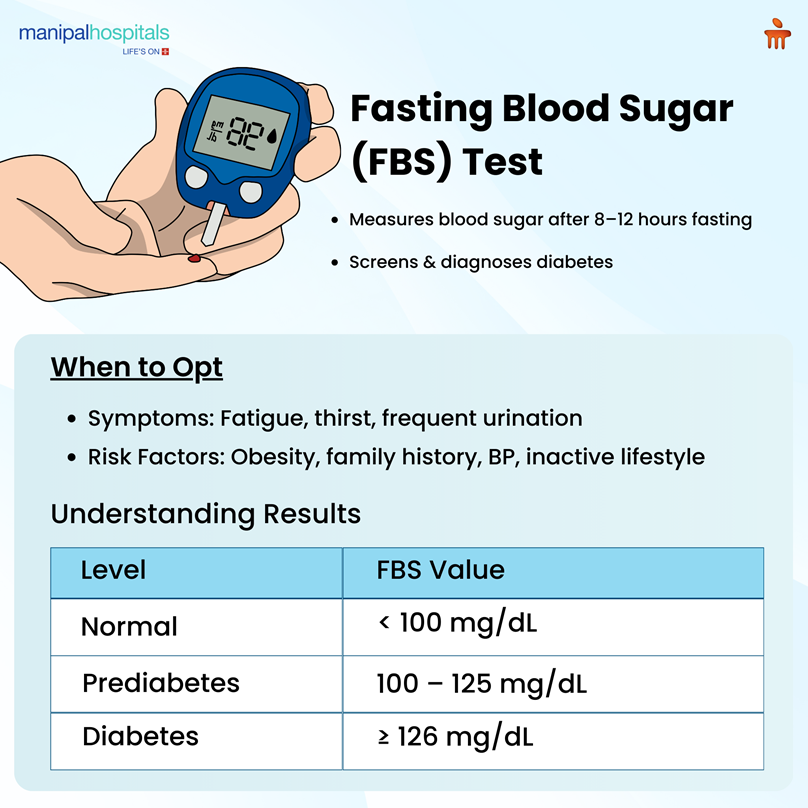
Normal Fasting Blood Sugar Levels
A normal FBS level is typically less than 100 milligrams per deciliter (mg/dL) or 5.6 millimoles per liter (mmol/L).
Achieving and maintaining these levels significantly reduces your risk of developing diabetes and related complications.
Prediabetes (Impaired Fasting Glucose)
An FBS level between 100 mg/dL (5.6 mmol/L) and 125 mg/dL (6.9 mmol/L) indicates prediabetes.
This is a critical warning sign. While it means your blood sugar is higher than normal, it's not yet diabetes. This stage offers a powerful opportunity for intervention. With lifestyle modifications such as dietary changes and increased physical activity, up to 70% of individuals with prediabetes can prevent or delay the onset of type 2 diabetes.
Diabetes
An FBS level of 126 mg/dL (7.0 mmol/L) or higher on two separate tests typically indicates diabetes.
A diagnosis of diabetes requires careful management, often involving lifestyle changes, medication, and regular monitoring to prevent long-term complications affecting the heart, kidneys, nerves, and eyes.
Beyond the Test: Next Steps
Regardless of your FBS test results, your journey doesn't end there. If your results are normal, continue with healthy lifestyle choices and regular check-ups. If you are diagnosed with prediabetes or diabetes, your doctor will work with you to develop a personalised management plan. This may include dietary adjustments, a structured exercise regimen, weight management, and, in some cases, medication.
At Manipal Hospitals Bangalore, our multidisciplinary team of endocrinologists, dietitians, and educators are committed to providing comprehensive care, guiding you every step of the way towards better health. We leverage advanced diagnostics and evidence-based treatments to ensure the best possible outcomes for our patients. Book an appointment with our experts today.
FAQ's
The FBS test is highly accurate when performed correctly, following the fasting guidelines. It's a reliable indicator of your body's glucose regulation over an extended period without food.
Yes, significant physical or emotional stress can temporarily elevate blood sugar levels by triggering the release of stress hormones. It's advisable to be as relaxed as possible before your test.
If your FBS results are slightly high (in the prediabetes range), it's a call to action. Your doctor will likely recommend lifestyle changes, such as dietary modifications, increased physical activity, and weight loss, and may advise repeat testing.
The frequency of FBS testing depends on your age, risk factors, and previous results. Generally, adults over 45 are recommended to be screened every three years. If you have risk factors or are in the prediabetes range, more frequent testing may be advised.
The FBS test measures your blood sugar at a specific point (after fasting). The HbA1c test, on the other hand, provides an average of your blood sugar levels over the past 2-3 months, giving a broader picture of long-term glucose control. Both tests are valuable and often used together.
Share this article on:


.webp "How Sleep Deprivation Affects Blood Sugar and Increases Diabetes Risk")




