




 9 Min Read
Creatinine, a waste product generated from normal muscle metabolism, plays a crucial role as an indicator of kidney health. When kidneys are functioning optimally, they filter creatinine from the blood efficiently, which is then excreted in urine. However, elevated creatinine levels often signal that your kidneys might not be working as effectively as they should. The result can be a concerning finding for many, prompting questions about how to reduce creatinine levels and maintain overall well-being. This comprehensive guide will explore the causes of high creatinine, effective strategies on how to lower creatinine, and practical advice on how to control creatinine levels, helping you take proactive steps towards better health.
Synopsis
Creatinine and Its Significance in Kidney Health
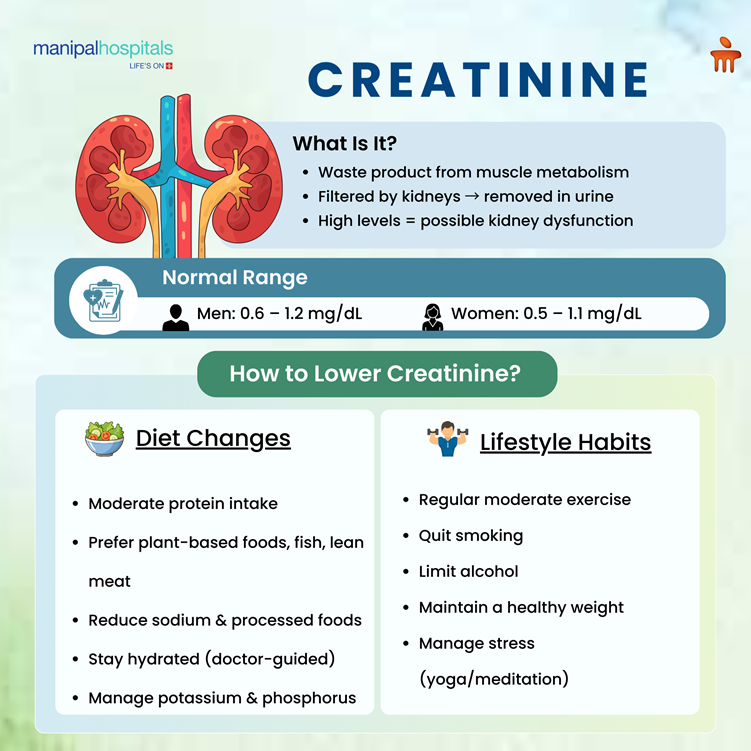
Creatinine is a chemical waste product derived from creatine, a molecule important for energy production in muscles. When your muscles use creatine, it breaks down into creatinine, which then enters your bloodstream. Healthy kidneys filter this creatinine out, ensuring it doesn't accumulate to harmful levels.
A normal creatinine level typically ranges from 0.6 to 1.2 milligrams per deciliter (mg/dL) for adult males and 0.5 to 1.1 mg/dL for adult females, though these values can vary slightly based on age, muscle mass, and laboratory. Higher than normal levels often indicate impaired kidney function, as the kidneys are less efficient at filtering this waste product. Early detection and understanding of these levels are key to effective management and can lead to significantly better outcomes for patients, with many experiencing positive responses to early interventions – often as high as 70-80% success in stabilizing or improving kidney function when addressed promptly.
Creatinine and Its Significance in Kidney Health
Creatinine is a chemical waste product derived from creatine, a molecule important for energy production in muscles. When your muscles use creatine, it breaks down into creatinine, which then enters your bloodstream. Healthy kidneys filter this creatinine out, ensuring it doesn't accumulate to harmful levels.
A normal creatinine level typically ranges from 0.6 to 1.2 milligrams per deciliter (mg/dL) for adult males and 0.5 to 1.1 mg/dL for adult females, though these values can vary slightly based on age, muscle mass, and laboratory. Higher than normal levels often indicate impaired kidney function, as the kidneys are less efficient at filtering this waste product. Early detection and understanding of these levels are key to effective management and can lead to significantly better outcomes for patients, with many experiencing positive responses to early interventions – often as high as 70-80% success in stabilizing or improving kidney function when addressed promptly.
Please remember, creatinine is only one piece of the puzzle. Clinical evaluation almost always includes the assessment of Cystatin C or uACR (urine albumin-to-creatinine ratio) to get a full picture of kidney health.
Causes of Elevated Creatinine Levels
Several factors can contribute to elevated creatinine. Understanding these can help in identifying the root cause and devising an appropriate plan for how to reduce creatinine.
|
Kidney Disease |
Both acute kidney injury and chronic kidney disease (CKD) are primary causes. CKD affects millions globally, and in India, its prevalence is estimated to be around 17% in certain populations. |
|
Dehydration |
When the body lacks sufficient fluids, kidney function can be temporarily impaired, leading to a rise in creatinine. |
|
High Muscle Mass or Intense Exercise |
Athletes or individuals with significant muscle mass naturally produce more creatinine. Strenuous exercise can also temporarily elevate levels. |
|
Certain Medications |
Some drugs, like NSAIDs (non-steroidal anti-inflammatory drugs), certain antibiotics, and blood pressure medications, can affect kidney function and raise creatinine levels. |
|
High Protein Intake |
A diet very high in protein, particularly from red meat, can increase creatinine production. |
|
Urinary Tract Obstruction |
Blockages in the urinary tract, such as kidney stones or an enlarged prostate, can impede urine flow and lead to a buildup of waste products, including creatinine. |
|
Uncontrolled Diabetes and High Blood Pressure |
These conditions are leading causes of kidney damage, progressively impairing the kidneys' ability to filter waste. Effectively managing these conditions can reduce the risk of kidney complications by up to 50% over ten years. |
Proven Strategies to Lower Creatinine Levels
Addressing elevated creatinine involves a multi-faceted approach, combining medical management, dietary adjustments, and lifestyle changes. The goal is not just to answer how to reduce creatinine but to support overall kidney health and prevent further decline.
Medical Management and Underlying Condition Control
The most effective way to lower creatinine is to treat the underlying condition causing its elevation. Consulting with a nephrologist at Manipal Hospitals Bangalore is the first crucial step.
-
Managing Kidney Disease: If kidney disease is diagnosed, treatment will focus on slowing its progression. This often involves specific medications, managing fluid balance, and monitoring kidney function closely. Early intervention can significantly improve prognosis, with studies showing that patients who adhere to treatment plans can extend kidney function by several years.
-
Controlling Blood Pressure and Diabetes: These are critical for kidney health. Tight control of blood sugar levels (HbA1c below 7%) and blood pressure (typically below 130/80 mmHg) can dramatically protect your kidneys. Many patients achieve successful management, leading to a 30-40% reduction in kidney disease progression risk.
-
Reviewing Medications: Your doctor may review your current medications and adjust doses or recommend alternatives if they are contributing to elevated creatinine. Never stop or change medications without consulting your healthcare provider.
-
Treating Obstructions: If a urinary tract obstruction is present, addressing it surgically or with other procedures can quickly help normalize creatinine levels.
Dietary Adjustments
Diet plays a significant role in managing creatinine levels and supporting kidney function. These adjustments are key to how to reduce creatinine through nutrition.
-
Moderate Protein Intake: While protein is essential, excessive intake, especially from red meat, can increase creatinine production. Discuss with a dietitian to find a balanced protein intake suitable for your kidney health. Studies indicate that reducing protein intake can lead to a 10-15% reduction in creatinine levels in some individuals with early kidney impairment. Focus on plant-based proteins, lean poultry, and fish in moderation.
-
Limit Sodium and Processed Foods: High sodium intake contributes to high blood pressure, which harms kidneys. Opt for fresh foods and avoid processed snacks.
-
Manage Potassium and Phosphorus: For individuals with advanced kidney disease, these minerals may need to be restricted. Your doctor or dietitian will guide you on appropriate levels.
-
Stay Adequately Hydrated: Drinking enough water helps your kidneys function properly and filter waste. However, if you have advanced kidney disease, excessive water intake can be harmful. Always consult your doctor for personalised fluid intake recommendations.
-
Embrace a Kidney-Friendly Diet: Focus on fresh fruits, vegetables, whole grains, and healthy fats. A Mediterranean-style diet, for instance, has been shown to support overall health, including kidney function.
Lifestyle Modifications
Simple changes in daily habits can also contribute significantly to how to control creatinine and support kidney health.
-
Regular, Moderate Exercise: Engage in regular physical activity, but avoid extreme exertion that can temporarily spike creatinine. Aim for at least 30 minutes of moderate exercise most days of the week. Patients engaging in moderate exercise show a 20% better outcome in kidney health compared to sedentary individuals.
-
Quit Smoking: Smoking significantly damages blood vessels, including those in the kidneys, accelerating kidney disease. Quitting smoking is one of the most impactful steps you can take for your health.
-
Limit Alcohol Consumption: Excessive alcohol intake can put a strain on your kidneys and liver.
-
Maintain a Healthy Weight: Obesity is a risk factor for diabetes and high blood pressure, both of which affect kidney health. Losing even a small amount of weight can have substantial benefits.
-
Manage Stress: Chronic stress can impact overall health. Practising relaxation techniques like yoga or meditation can be beneficial.
If you are experiencing elevated creatinine levels or have concerns about your kidney health, it's crucial to seek timely medical advice. Book an appointment with our expert nephrologists at Manipal Hospitals Bangalore today for a comprehensive evaluation and personalised treatment plan. Your kidney health is our priority.
FAQ's
Yes, by addressing the underlying cause and adopting appropriate lifestyle and dietary changes, creatinine levels can often be lowered and maintained within a healthier range, especially if kidney damage is caught early. Often, patients achieve sustained healthy creatinine levels through diligent management.
The quickest way depends on the cause. For dehydration, rehydration helps quickly. For medication-induced increases, adjusting the medication is key. For chronic kidney disease, a comprehensive long-term management plan is essential, and rapid drops are often not realistic or indicative of health.
The quickest way depends on the cause. For dehydration, rehydration helps quickly. For medication-induced increases, adjusting the medication is key. For chronic kidney disease, a comprehensive long-term management plan is essential, and rapid drops are often not realistic or indicative of health.
If high creatinine is due to dehydration, increasing fluid intake can help normalise levels. However, if you have advanced kidney disease, excessive water intake can be harmful. Always consult your doctor for personalised fluid intake recommendations.
Foods high in processed ingredients, excessive red meat, and high sodium should generally be limited. Depending on your kidney function, your doctor or dietitian might also recommend restricting foods high in potassium or phosphorus.
This depends on your overall health and kidney function. If you have risk factors for kidney disease or existing issues, your doctor may recommend regular checks, often every 3–6 months. For healthy individuals, annual check-ups are usually sufficient.
Share this article on:




