




 8 Min Read
Have you ever suddenly felt exhausted, noticed weight gain without changing your diet, or your periods slipping out of rhythm, and wondered what changed? Those shifts may be more than stress; they are classic signs of a hormone imbalance that many people ignore because modern triggers are subtle and everywhere. This blog breaks down the common hormone imbalance causes, the typical hormone imbalance symptoms, why endocrine disruptors matter, and practical steps to protect your hormonal health.
Synopsis
Understanding The Hormone System
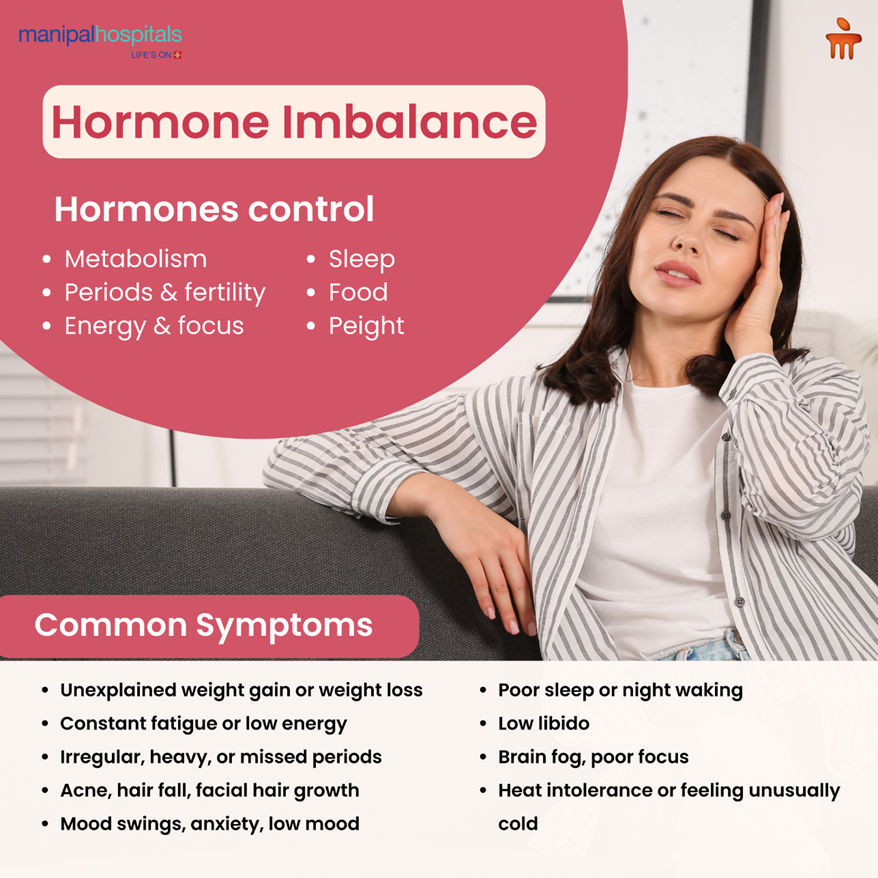
Your endocrine system is a network of glands, thyroid, adrenals, pancreas, ovaries or testes, pituitary, and others, that release chemical messengers called hormones. Hormones set your metabolism, sleep, mood, appetite, reproductive cycles, and more. When those chemical messages are too high, too low, or poorly timed, the result is a hormone imbalance.
Because hormones act across the whole body, symptoms often look like everyday problems: tiredness, weight shifts, poor sleep, or mood swings. That is why many people blame it to busy lives. But small, persistent changes deserve attention because correcting hormone balance improves many aspects of life.
Modern Triggers You Don’t Notice
Some hormone imbalance causes are obvious: untreated thyroid disease, diabetes, or menopause. Others are sneaky, lifestyle and environmental factors that quietly nudge your hormones off balance.
Endocrine Disruptors in Everyday Items
Endocrine disruptors are chemicals that interfere with hormone actions. They are found in some plastics (BPA), canned food linings, personal-care products (certain parabens and phthalates), flame retardants, and even in some pesticides. Repeated low-level exposure can confuse your body’s hormone signalling, especially oestrogen and thyroid pathways. Over time, this contributes to hormone imbalance and raises the risk for metabolic problems.
Night Light and Sleep Disruption
Modern life pushes light into the night. Screens and bright indoor lighting suppress melatonin, a hormone that helps sleep and also coordinates other hormones. Reduced melatonin disrupts appetite hormones, insulin sensitivity, and stress hormone rhythms. Chronic sleep disruption is a common but underappreciated hormone imbalance cause.
Stress, Cortisol and Burnout
Acute stress is normal and helpful. Chronic stress with persistently raised cortisol affects thyroid function, sex hormones, and insulin. You may not feel “stressed” in dramatic ways, but long work hours, poor rest, and caregiving quietly raise cortisol and undermine hormonal health.
Diet Patterns and Hidden Sugars
Frequent snacking, sugary beverages, and processed food drive insulin peaks. High insulin promotes fat storage, alters sex hormone balance, and raises inflammation. Insulin-driven weight gain is both a cause and consequence of hormone imbalance.
Endocrine Sensitivity Changes with Age
As you age, hormone production and how tissues respond change. For example, peri-menopause alters oestrogen rhythms and may reveal sensitivities to endocrine disruptors that were harmless earlier. Being attentive to changes with age helps spot problems early.
How Hormone Imbalance Shows Up, Symptoms to Watch For?
Symptoms vary depending on which hormones are affected, yet common patterns exist. Below is a practical table linking common hormone imbalance symptoms to likely hormone groups.
|
Symptom |
Hormone(s) Involved |
Why It Matters |
|
Unexplained weight gain, especially around the midline |
Insulin, cortisol, thyroid |
Metabolic slowdown and insulin resistance are common triggers |
|
Persistent fatigue, slow thinking |
Thyroid, cortisol, sex hormones |
Low thyroid hormone or chronic stress commonly explains low energy |
|
Irregular periods, heavy bleeding, and infertility |
Oestrogen, progesterone, insulin |
A reproductive hormone imbalance affects cycles and fertility |
|
Night sweats, hot flashes |
Fluctuating oestrogen, progesterone |
common in perimenopause and endocrine disruption |
|
Mood swings, anxiety, depression |
Thyroid, cortisol, sex hormones |
mood is tightly linked to multiple endocrine signals |
|
Hair loss, brittle nails |
Thyroid, androgens |
thyroid disease and hormone shifts affect hair biology |
|
Difficulty sleeping or falling asleep |
Melatonin, cortisol |
Sleep hormones and stress hormones regulate the sleep cycle |
|
Low libido |
Sex hormones (testosterone, oestrogen), thyroid |
Hormones drive sexual desire and function |
These are patterns, not diagnoses. If several symptoms appear together and persist, it is reasonable to ask your doctor for targeted hormone tests.
Why Endocrine Disruptors Matter More Than You Think
Endocrine disruptors act in tiny doses and often mimic natural hormones. The problem is twofold: you may encounter multiple chemicals that add up, and timing matters; exposure during critical windows such as puberty, pregnancy, or midlife can cause longer-term changes. Examples to watch:
-
Bisphenol A (BPA) is found in some plastics and receipts.
-
Phthalates are found in fragrances and some cosmetics.
-
Certain pesticides and persistent organic pollutants linger in the environment.
Reduce exposure by choosing fresh or frozen food over canned, avoiding microwaving in plastic, preferring fragrance-free personal-care products, and favouring glass or stainless-steel containers.
Everyday Habits That Drive Hormone Problems
Some hormone imbalance causes are about what you do, not what you buy. Changing habits is often the most potent medicine.
Sleep Regularly
Aim for consistent bed and wake times. Good sleep resets melatonin and cortisol rhythms. If sleep is short or fragmented, your metabolic hormones and mood suffer.
Move Daily
Activity improves insulin sensitivity and reduces stress hormones. Short walks and resistance exercises help preserve muscle and support metabolic balance.
Manage Stress Concretely
Practical tools work better than platitudes. short breathing breaks, realistic boundaries on work hours, and small relaxation practices reduce cortisol without major time investment.
Eat with Stability
Balance protein, healthy fats, and fibre at each meal to stabilize blood sugar and insulin. Avoid fasted highs and late-night snacking that spike hormones out of sync.
Mind Your Medication Interactions
Some common drugs and supplements interact with thyroid or sex hormones. Always review medications with your clinician, especially if you start new prescriptions.
How to Protect Your Hormonal Health?
Think of hormonal health as a set of daily habits plus periodic checks. Here's a realistic plan you can follow.
Start with Lifestyle Basics
Prioritise sleep, move regularly, eat whole foods, and limit alcohol. These changes reduce many root hormone imbalance causes.
Reduce Chemical Burden
Minimise plastics for food storage, choose low-fragrance personal-care items, and wash fresh produce to remove pesticide residues when possible.
Get Targeted Screening When Needed
If you have persistent symptoms, unexplained weight changes, irregular cycles, fatigue that does not improve, ask for basic tests: TSH and free T4 (thyroid), fasting glucose or HbA1c (insulin), morning cortisol when indicated, and sex hormone tests if reproductive symptoms dominate.
Work Closely with Your Doctor
A focused history often reveals patterns and exposures. Hormone testing without a clinical context can be misleading, so find a clinician who will review your lifestyle, symptoms, and medications together.
Consider Timing for Women
For menstruating women, some hormone tests are best done on specific cycle days. Your clinician should advise timing rather than random testing.
Be Cautious with Supplements
Many “hormone-balancing” supplements are unregulated. Discuss supplements with a clinician, especially if you have thyroid or heart disease.
When to See a Doctor?
Seek medical advice when hormone imbalance symptoms are persistent, worsening, or interfere with daily life. Urgent review is needed for severe symptoms such as rapid unexplained weight loss, fainting, marked menstrual bleeding changes, or sudden hair loss. Do not wait for symptoms to become severe; early adjustments are simpler and safer. Consulting experienced endocrinology doctors in Bangalore can help ensure timely diagnosis and appropriate care.
Conclusion
We live in a world full of subtle nudges that disrupt hormone balance, from endocrine disruptors in everyday products to sleep loss and stress that silently shift your set points. Recognising hormone imbalance symptoms, understanding common hormone imbalance causes, and taking practical steps for hormonal health gives you control. Small, steady changes in sleep, movement, diet, and exposure choices often produce the most significant benefits. If symptoms persist, get a thoughtful medical review and targeted testing with our endocrinology doctors at Manipal Hospitals Bangalore, so you can restore your hormonal balance safely.
FAQ's
Standard tests include TSH and free T4 for thyroid, fasting glucose or HbA1c for insulin, morning cortisol for stress axis when needed, and sex hormone tests (estradiol, progesterone, testosterone) guided by symptoms.
Yes. Endocrine disruptors can mimic or block hormones and accumulate over time. Reducing exposure lowers risk and helps your body respond better
It varies; some people feel improvements in weeks for sleep and mood. Metabolic changes like improved insulin sensitivity or weight loss may take months with consistent habits.
Not always. “natural” does not mean safe or effective. Some supplements interfere with prescription medicines or exaggerate hormone effects. Always discuss with your clinician.
Yes. Children are vulnerable to certain endocrine disruptors, and early-life exposures can have long-term effects. Limiting unnecessary chemical exposure, ensuring healthy sleep and diet, and avoiding processed foods help protect developing endocrine systems.
Share this article on:


.webp "How Sleep Deprivation Affects Blood Sugar and Increases Diabetes Risk")




