5 Min Read
Living with ongoing bladder pain or a constant urge to urinate can quietly disrupt every aspect of your life, from work and sleep to relationships and mental well-being. Many people live with these symptoms for years, assuming it’s “just another urine infection” or something they must learn to tolerate. However, these persistent symptoms may point to a chronic condition called Interstitial Cystitis (IC), also known as Bladder Pain Syndrome (BPS).
At Bhagwan Mahavir Manipal Hospital, Ranchi, our experienced urology specialists focus on early diagnosis and personalised treatment of Interstitial Cystitis, helping patients regain comfort, confidence, and control over their daily lives.
Synopsis
- What Is Interstitial Cystitis (Bladder Pain Syndrome)?
- What Causes Interstitial Cystitis?
- Early Interstitial Cystitis Symptoms You Should Not Ignore
- How Is Interstitial Cystitis Diagnosed?
- Interstitial Cystitis Treatment and Management Options
- Do’s and Don’ts for Managing Interstitial Cystitis
- Take the First Step Towards Relief
What Is Interstitial Cystitis (Bladder Pain Syndrome)?
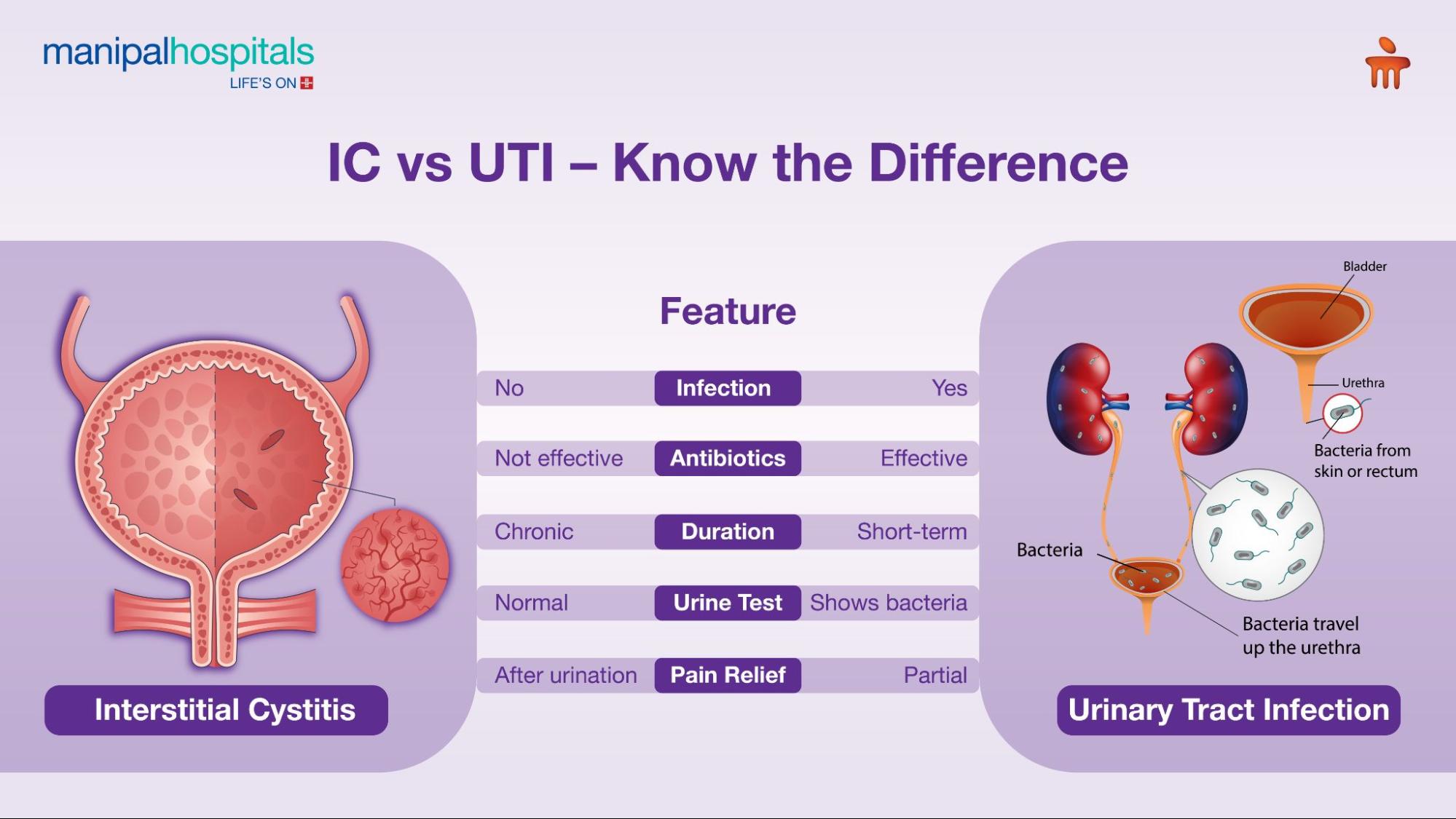
Interstitial Cystitis is a long-term bladder condition characterised by bladder pressure, pelvic pain, and urinary problems without an identifiable infection. Unlike a urinary tract infection (UTI), IC does not respond to antibiotics and often follows a fluctuating course, with symptoms worsening during periods known as flares.
IC can affect people of all ages and genders, though it is more commonly diagnosed in women. With timely care and proper management, most patients experience significant symptom relief.
What Causes Interstitial Cystitis?
The exact cause of Interstitial Cystitis is still being researched. However, medical experts believe it develops due to a combination of factors rather than a single trigger. Possible causes include:
-
Damage to the Bladder Lining - A weakened protective lining of the bladder may allow urine to irritate the bladder wall, causing inflammation and pain.
-
Immune System Dysfunction - The body’s immune system may mistakenly attack bladder tissues, leading to chronic inflammation.
-
Mast Cell Activation - Certain immune cells (mast cells) may release inflammatory chemicals such as histamine inside the bladder.
-
Nerve Sensitivity - Overactive or damaged bladder nerves may send pain signals even when the bladder is filling normally.
It’s important to emphasise that Interstitial Cystitis is a real physical condition, not stress-related or psychological in origin.
Early Interstitial Cystitis Symptoms You Should Not Ignore
Recognising symptoms early can prevent years of discomfort and misdiagnosis. Common Interstitial Cystitis symptoms include:
Persistent Bladder or Pelvic Pain
This is the most defining symptom. Pain may feel like pressure, burning, or deep aching in the lower abdomen or pelvis.
-
Women may feel pain in the vagina or vulva
-
Men may experience discomfort in the scrotum, testicles, or penis
Urinary Urgency and Frequent Urination
Patients often feel a constant need to urinate, even when the bladder is not full.
-
Normal frequency: 6–8 times per day
-
IC patients may urinate 15–30 times or more daily
-
Night-time urination (nocturia) is common
Pain That Worsens as the Bladder Fills
A classic sign of IC is increasing pain as the bladder fills, followed by temporary relief after urination.
Pain During or After Sexual Intercourse
Painful intercourse (dyspareunia) is frequently reported and can significantly affect emotional well-being and relationships.
How Is Interstitial Cystitis Diagnosed?
Diagnosing IC requires careful evaluation and exclusion of other conditions such as UTIs, kidney stones, bladder cancer, or gynaecological disorders.
At Bhagwan Mahavir Manipal Hospital, Ranchi, diagnosis may involve:
-
Detailed medical history and symptom assessment
-
Bladder diary to track urination frequency and pain
-
Urine tests to rule out infection
-
Pelvic examination
-
Cystoscopy with hydrodistention allows doctors to inspect the bladder lining and identify IC-related changes
This comprehensive approach ensures accurate diagnosis and appropriate treatment planning.
Interstitial Cystitis Treatment and Management Options
Although Interstitial Cystitis has no single cure, a step-by-step, personalised treatment plan can provide long-term relief. Studies show that over 90% of patients improve with combined therapies.
-
Lifestyle and Dietary Changes - Avoiding bladder-irritating foods such as caffeine, alcohol, citrus fruits, artificial sweeteners, and spicy foods can reduce flares.
-
Pelvic Floor Physiotherapy - Specialised therapy helps relax tight pelvic muscles and improve bladder control. Many patients experience noticeable improvement within weeks.
-
Medications - Oral medicines may be prescribed to reduce inflammation, protect the bladder lining, or manage nerve-related pain.
-
Bladder Instillation Therapy - Medicinal solutions are placed directly into the bladder to soothe inflammation and relieve pain at the source.
Our urology specialist at Bhagwan Mahavir Manipal Hospital, Ranchi, designs treatment plans based on symptom severity, lifestyle, and individual needs.
Do’s and Don’ts for Managing Interstitial Cystitis
Do’s:
-
Drink adequate water to dilute urine
-
Maintain a symptom and food diary
-
Practise relaxation techniques such as yoga or meditation
-
Wear loose, comfortable clothing
Don’ts:
-
Avoid known dietary triggers
-
Don’t delay urination for long periods
-
Avoid scented hygiene products
-
Don’t ignore worsening symptoms
Take the First Step Towards Relief
Persistent bladder pain is not something you should live with. Early diagnosis and expert care can transform your quality of life. If you or a loved one is experiencing symptoms of Interstitial Cystitis, consult the urology specialists at Bhagwan Mahavir Manipal Hospital, Ranchi, today.
Disclaimer: This content is for informational purposes only and does not replace professional medical advice. Always consult a qualified healthcare provider for diagnosis and treatment.
FAQ's
No. UTIs are bacterial infections treated with antibiotics. Interstitial Cystitis is a chronic inflammatory condition without infection.
Yes. Although more common in women, men can also develop IC and are often misdiagnosed with prostatitis.
IC is chronic, but many patients experience long symptom-free periods with proper treatment and lifestyle management.
Yes. Stress does not cause IC but can trigger symptom flares due to increased nerve sensitivity.
If bladder pain, urgency, or frequency persists for more than six weeks without infection, consult a urologist immediately.
Share this article on: