7 Min Read
--causes,-risks-and-when-to-seek-help.webp "Atrial Fibrillation Treatment: Symptoms, Causes & Risks")
Heart rhythm disturbances are becoming increasingly common across all age groups, yet many people ignore the early warning signs until serious complications occur. Among the most prevalent forms of heart rhythm disorder is atrial fibrillation (AFib), a condition that can silently increase the risk of stroke, heart failure, and other cardiovascular complications if left untreated.
Understanding atrial fibrillation symptoms, recognising atrial fibrillation causes, and knowing when to seek medical attention can significantly improve outcomes. With timely atrial fibrillation treatment, patients can effectively manage symptoms, restore heart rhythm stability, and reduce long-term risks.
At Manipal Hospitals, our cardiologists in Patiala provide comprehensive evaluation and advanced atrial fibrillation treatment plans tailored to each patient’s condition, lifestyle, and cardiovascular risk profile.
Synopsis
- What Is Atrial Fibrillation and Why Does It Matter?
- Common Atrial Fibrillation Symptoms You Should Never Ignore
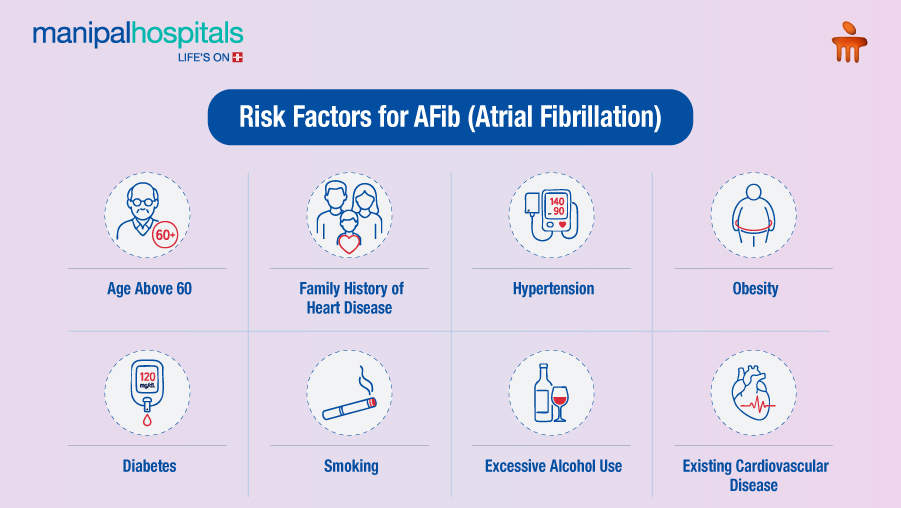
- Major Atrial Fibrillation Causes and Risk Factors
- Why Early Atrial Fibrillation Treatment Is Critical
- Advanced Atrial Fibrillation Treatment Options Available Today
- When Should You Seek Immediate Medical Attention?
- Can Atrial Fibrillation Be Prevented?
- Conclusion
What Is Atrial Fibrillation and Why Does It Matter?
Atrial fibrillation is a type of heart rhythm disorder in which the upper chambers of the heart (atria) beat irregularly and often rapidly. Instead of maintaining a coordinated rhythm, the heart’s electrical signals become chaotic, resulting in an uneven heartbeat.
This irregular rhythm can reduce the heart’s efficiency and increase the likelihood of blood clot formation, which may travel to the brain and cause a stroke.
Because AFib episodes may come and go unpredictably, many patients remain unaware of the condition until complications arise. Early diagnosis and timely atrial fibrillation treatment are therefore essential for preventing serious health consequences.
Common Atrial Fibrillation Symptoms You Should Never Ignore
The severity of atrial fibrillation symptoms varies from person to person. Some individuals experience obvious discomfort, while others remain asymptomatic for years.
Common symptoms include:
-
Rapid or irregular heartbeat
-
Fluttering sensation in the chest
-
Fatigue and weakness
-
Chest discomfort
-
Dizziness or light-headedness
-
Reduced exercise tolerance
-
Episodes of fainting
Many patients initially mistake these episodes for stress, anxiety, or simple heart palpitations causes linked to caffeine or lack of sleep. However, persistent or recurrent irregular heartbeat symptoms should never be ignored.
If symptoms occur repeatedly or worsen over time, immediate medical evaluation and atrial fibrillation treatment may be necessary to reduce the risk of complications.
Major Atrial Fibrillation Causes and Risk Factors
Several underlying medical conditions and lifestyle factors can contribute to atrial fibrillation causes. Understanding these triggers plays a vital role in both prevention and long-term atrial fibrillation treatment strategies.
Cardiovascular Conditions
AFib commonly develops in people with:
-
High blood pressure
-
Coronary artery disease
-
Heart valve disorders
-
Previous heart attacks
-
Heart failure
Lifestyle and Metabolic Factors
Certain lifestyle habits may increase the risk of developing AFib:
-
Smoking
-
Excessive alcohol consumption
-
Obesity
-
Chronic stress
-
Excess caffeine intake
Other Medical Conditions
Additional atrial fibrillation causes include:
-
Diabetes
-
Chronic lung disease
-
Sleep apnea
-
Electrolyte imbalances
Age also remains a major risk factor, though AFib is increasingly being diagnosed in younger adults due to sedentary lifestyles and rising cardiovascular risk factors.
Why Early Atrial Fibrillation Treatment Is Critical
Ignoring AFib can lead to serious and potentially life-threatening complications. One of the greatest dangers associated with untreated AFib is stroke.
When the heart beats irregularly, blood may pool inside the atria and form clots. If a clot travels to the brain, it can block blood flow and trigger a stroke.
Timely atrial fibrillation treatment helps:
-
Restore normal heart rhythm
-
Control abnormal heart rate
-
Prevent blood clot formation
-
Reduce stroke risk
-
Improve heart function
-
Enhance quality of life
Our cardiologists in Patiala focus on early risk assessment and personalised atrial fibrillation treatment approaches that combine medication, lifestyle modification, rhythm management, and preventive cardiac care.
Advanced Atrial Fibrillation Treatment Options Available Today
Modern atrial fibrillation treatment has evolved significantly with advances in cardiac electrophysiology and minimally invasive interventions.
Medications
Doctors may prescribe:
-
Blood thinners to prevent clot formation
-
Rate-control medications
-
Rhythm-control drugs
Electrical Cardioversion
This procedure uses controlled electrical impulses to restore normal heart rhythm.
Catheter Ablation
A minimally invasive technique that targets abnormal electrical pathways responsible for AFib.
Lifestyle Modification
Long-term atrial fibrillation treatment also includes:
-
Weight management
-
Blood pressure control
-
Regular exercise
-
Sleep apnea treatment
-
Smoking cessation
-
Dietary improvements
The right atrial fibrillation treatment depends on the severity of symptoms, duration of AFib episodes, age, and underlying heart disease.
When Should You Seek Immediate Medical Attention?
Certain symptoms require urgent cardiac evaluation. Seek immediate help if you experience:
-
Sudden chest pain
-
Severe breathlessness
-
Fainting episodes
-
Persistent rapid heartbeat
-
Sudden weakness or speech difficulty
-
Symptoms suggestive of stroke
Many people delay consultation because they assume irregular heartbeat symptoms are temporary or stress-related. However, early intervention can dramatically improve outcomes.
If you notice recurring heart palpitations that remain unexplained, consult our heart doctor in Patiala for a complete cardiac evaluation.
Can Atrial Fibrillation Be Prevented?
While not every case can be prevented, several lifestyle measures can lower the risk of developing AFib and reduce recurrence after atrial fibrillation treatment.
-
Preventive steps include:
-
Managing hypertension
-
Maintaining a healthy body weight
-
Limiting alcohol intake
-
Staying physically active
-
Controlling diabetes
-
Managing stress effectively
-
Following heart-healthy dietary habits
Routine cardiac check-ups are especially important for individuals with a family history of heart disease or existing cardiovascular risk factors.
Our cardiologists in Patiala emphasise preventive cardiology and long-term heart rhythm monitoring to support sustained cardiovascular health.
Conclusion
Atrial fibrillation is more than just an occasional irregular heartbeat. It is a serious heart rhythm disorder that can significantly increase the risk of stroke, heart failure, and long-term cardiac complications if left untreated.
Recognising atrial fibrillation symptoms early, understanding atrial fibrillation causes, and seeking timely atrial fibrillation treatment can help patients regain better heart health and prevent future complications.
With advances in modern cardiology, most patients can successfully manage AFib through early diagnosis, personalised care, and ongoing medical support.
FAQ's
Early atrial fibrillation symptoms may include heart palpitations, a racing heartbeat, fatigue, dizziness, chest discomfort, and shortness of breath. Some people may also experience irregular heartbeat symptoms intermittently before the condition becomes persistent.
Common atrial fibrillation causes include high blood pressure, coronary artery disease, obesity, diabetes, thyroid disorders, excessive alcohol intake, and chronic stress. Age and underlying heart disease also increase the risk of developing this heart rhythm disorder.
Yes. Without timely atrial fibrillation treatment, AFib can increase the risk of stroke, heart failure, blood clot formation, and other serious cardiovascular complications. Early diagnosis and treatment are important for preventing long-term damage.
The effectiveness of atrial fibrillation treatment depends on the severity and underlying cause of the condition. While some patients achieve long-term rhythm control through medications, lifestyle changes, or catheter ablation, others may require ongoing management to prevent recurrence.
You should seek medical attention if you experience persistent heart palpitations, dizziness, chest pain, breathlessness, fainting, or repeated irregular heartbeat symptoms. Early evaluation can help identify underlying heart rhythm disorders and reduce the risk of complications.
Share this article on: