7 Min Read
Many health conditions, including fungal infections on the skin, are common in young children, but they can cause concern for caregivers and parents. These infections can present as small illnesses or develop into serious infections at any moment, causing considerable discomfort to both the child and the parents. Fungal infections of the skin and nails affect 20 to 25% of the world population. Among them, children are disproportionately affected due to overcrowding, poor hygiene, and socioeconomic status.
This blog post summarises the symptoms, causes, and fungal infection treatment in children.
Synopsis
What is Meant by Fungal Infections
Fungi thrive in warm, damp, and humid areas of a child's body, particularly:
-
Groin area
-
Between the toes
-
Diaper area
-
Other moist areas of the skin
Fungal infections occur when the natural balance that keeps fungi under control is disrupted.
Depending on the type and severity of the infection, symptoms may include:
-
Swelling
-
Blistering
-
Skin scaling
-
Irritation
-
Discomfort
While some fungal infections cause only mild discomfort, others can penetrate deeper into the skin and may require clinical treatment from a healthcare professional.
What are the common fungal infections in children?
Children are prone to several fungal infections, especially on the skin, due to their active lifestyle and developing immunity. Although usually mild, these infections can cause significant discomfort if left untreated.
Ringworm (Tinea)
One of the most common fungal infections on the skin, ringworm, appears as red, circular, and itchy patches with raised edges. It can affect the scalp (tinea capitis), body (tinea corporis), groin (tinea cruris or jock itch), and feet (tinea pedis). It is highly contagious and often spreads through skin contact or shared items.
Fungal Nail Infection (Onychomycosis)
Fungal nail infections are less prevalent in children, although they can happen, especially in those who sweat regularly. Nails may become thick, discoloured, or brittle.
Yeast Infections (Candidiasis)
Candida can cause oral thrush or a diaper rash.
-
Oral thrush: It manifests in the form of white patches inside the baby’s mouth, especially in the tongue, gums, and inner cheeks. The oral thrush causes discomfort for the baby when feeding, leading to fussiness and irritability.
-
Diaper rash: The rash caused by the diaper is widespread and appears bright red and inflamed. It develops due to constant exposure to urine and faeces and may alter the skin’s pH, becoming the breeding ground for fungi to grow.
Recognising them early will help guarantee quick and efficient fungal infection treatment.
What are the symptoms of fungal infections?
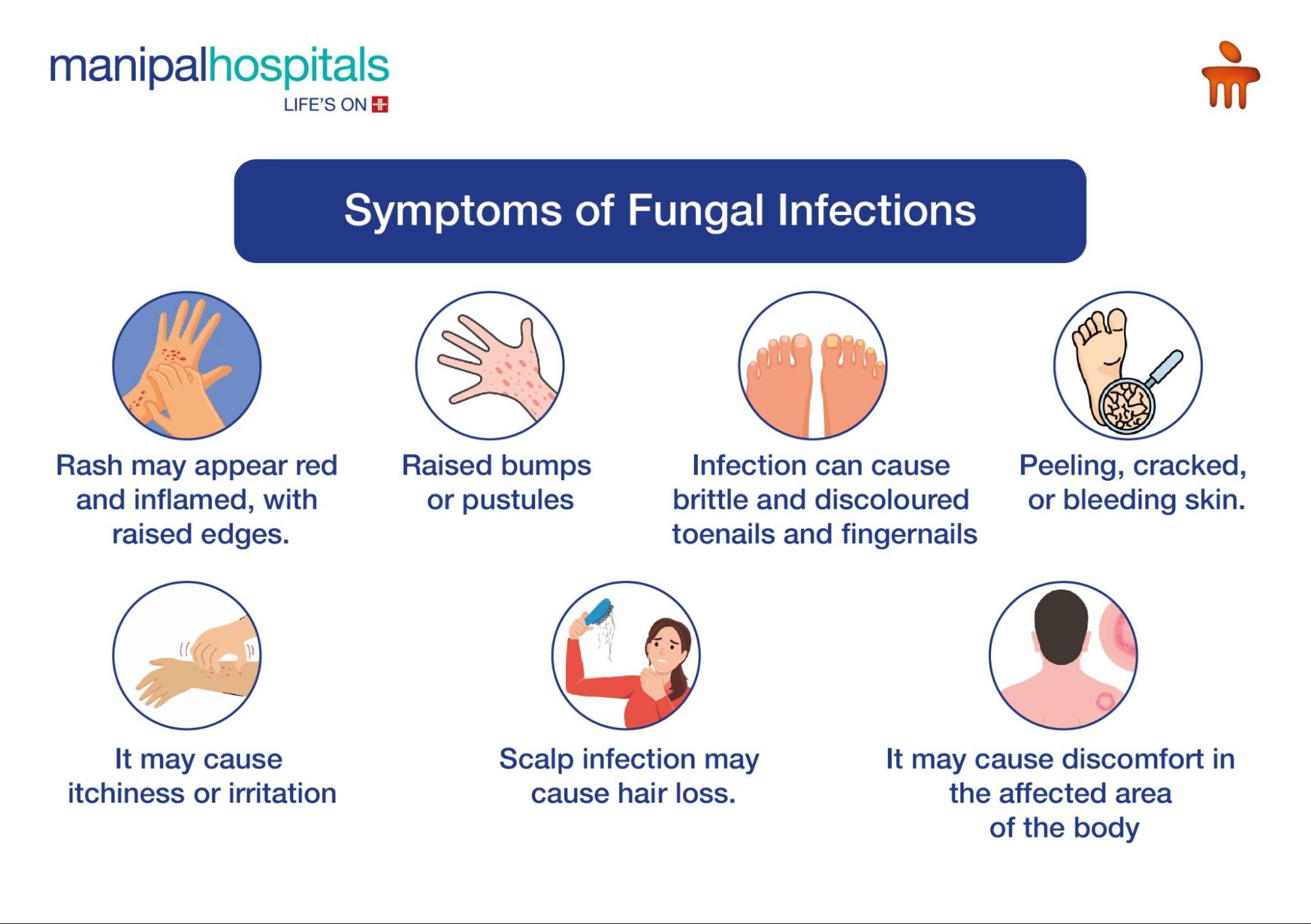
Here are a few symptoms of fungal infections:
-
The rash may appear red and inflamed, with raised edges
-
Raised bumps or pustules
-
Infection can cause brittle and discoloured toenails and fingernails
-
Peeling, cracked, or bleeding skin
-
It may cause itchiness or irritation
-
Scalp infection may cause hair loss
-
It may cause discomfort in the affected area of the body
What Causes Fungal Infections in Children
Several factors contribute to the occurrence of fungal infections in children.
-
Weak or Immature Immune System
Young children have developing immune systems, making them more susceptible to diseases caused by fungi, especially if they are already ill or taking antibiotics.
-
Contact with Infected Individuals or Surfaces
Fungal spores spread through direct skin contact or by touching contaminated objects like towels, clothes, or playground equipment. For instance, highly virulent ringworm forms can spread from affected persons or animals.
-
Warm, Humid Conditions
Sweaty feet, damp clothes, and warm weather contribute to fungal skin diseases, particularly in children who are constantly moving and playing. Most children tend to develop jock itch or diaper rash due to moisture and perspiration in the groin area.
-
Poor Hygiene
Infrequent bathing, poorly washed clothing, not changing diapers often, or keeping the fungi-prone areas moist can create an ideal environment for fungi to thrive.
-
Health Conditions
Although rare, children with medical conditions such as poor circulation, diabetes, or those infected with the human immunodeficiency virus (HIV) are increasingly prone to develop fungal infections.
How to clear a fungal infection fast?
Treatment for fungal infections in children depends on the type, location, and severity of the infection.
Treatment options may include:
Ringworm
-
Topical antifungal creams such as clotrimazole or terbinafine may be used.
-
More persistent infections may require oral antifungal medicines such as fluconazole, as prescribed by a healthcare professional.
Oral Thrush
-
Antifungal medicines such as nystatin or fluconazole suspensions may be prescribed.
-
Maintaining good oral hygiene can also support treatment.
Jock Itch
-
Topical antifungal creams containing medicines such as miconazole or clotrimazole may be recommended.
-
Keeping the affected area clean and dry is important.
-
Measures to reduce excess moisture may be advised by a healthcare professional.
Fungal Diaper Rash
Treatment may include:
-
Frequent diaper changes
-
Antifungal creams recommended by a healthcare professional
-
Allowing diaper-free time to help the skin remain dry
-
Keeping the diaper area clean and dry
Fungal Nail Infection
-
Topical antifungal medicines may be prescribed.
-
If the infection does not respond adequately to topical treatment, oral antifungal medicines may be recommended by a healthcare professional.
Important: Parents should consult a paediatrician before giving antifungal medicines to a child. The appropriate treatment depends on the child's age, the type of infection, and its severity.
Prevention of Fungal Infections in Children
Good hygiene and keeping the child's skin clean and dry can help reduce the risk of fungal infections.
Preventive measures include:
-
Keep the child's skin clean and dry.
-
Change diapers frequently.
-
Avoid sharing towels, clothing, or other personal items.
-
Wash clothes regularly.
-
Keep moisture-prone areas dry.
-
Sterilise baby bottles and pacifiers regularly.
-
Ensure the child wears clean and dry clothing.
-
Encourage regular handwashing.
-
Avoid prolonged exposure to damp clothing.
-
Maintain good hygiene after outdoor play and physical activities.
When to Consult a Paediatrician
Parents should consult a paediatrician if the child:
-
Has recurring fungal infections
-
Develops an infection that continues to spread
-
Experiences severe itching or discomfort
-
Does not improve with treatment
-
Develops persistent or worsening symptoms
Conclusion
Fungal infections are relatively common among young children, partly due to their developing immune systems and frequent exposure to warm and moist environments.
Recognising the symptoms early, maintaining good hygiene, keeping the skin dry, and seeking appropriate medical care can help prevent complications and reduce discomfort.
For more information and appropriate medical guidance regarding fungal infections in children, consult Manipal Hospitals, Mukundapur.
FAQ's
A contagious fungal infection among children affecting the scalp and hair. The condition is common in children between the ages of 2 to 10 years. Affected individuals experience localised areas of hair loss and itchy and red scaly rashes on the scalp. If not treated early, it could lead to permanent hair loss.
Fungal infections that develop on the skin and nails usually aren't serious. However, children with weakened immune systems have a higher risk of developing serious illness with some fungal infections.
A medical specialist will be able to diagnose a tinea infection. They may use a special light called a Wood’s lamp to identify the fluorescence of the infection. A sample of the skin scraping or pulled hair will be sent for a fungal culture test to confirm the diagnosis.
Children may be at risk of contracting ringworm if they:
-
Use shared bathrooms or locker rooms
-
Live in a warm climate
-
Play contact sports
-
Are in touch with children or dogs that have ringworm
-
Have poor hygiene
-
Children with weakened immune systems
-
Are malnourished
The best way to prevent jock itch is to promote hygiene, keep the genital area as clean as possible, and avoid sharing personal items to lower the incidence of infection.
Avoid sugary foods, refined carbohydrates (like white bread and pasta), yeast-containing items (like beer and bread), and excessive dairy. These foods raise blood sugar levels, feeding the fungus and encouraging infection growth.
Yes, fungal infections can be cured permanently with the right antifungal treatment and strict hygiene. However, fungi naturally live on your body and in the environment, so reinfection is always possible if optimal skin hygiene and dry conditions are not maintained.
Share this article on: