

Manipal Spine Wellness & Therapy Centre (MSWTC)
Your Spine Health, Our Mission
Pain is your body’s way of protecting you — not a sign of damage in every case. Most spine-related pain
improves naturally when movement, rest, and therapy are balanced. At MSWTC, we help you understand why pain
persists, how the nervous system can become sensitized, and what you can do to safely regain control through
education and reassurance. This scientific approach reduces fear, builds confidence, and supports long-term healing.
The MCSCC Approach
At MCSCC, we believe “Movement is Medicine” as being in motion helps keep joints nourished and muscles strong. We teach patients not to fear pain, but to respect it. Keeping the body and mind in balance is a key part of healing. This can be achieved through regular yoga, breathing exercises, exposure to sunlight, getting good sleep and eating nutritious food. At MCSCC, we provide patients with a personalized therapy plan catering to each patient’s unique spine condition and lifestyle.
Therapies & Services
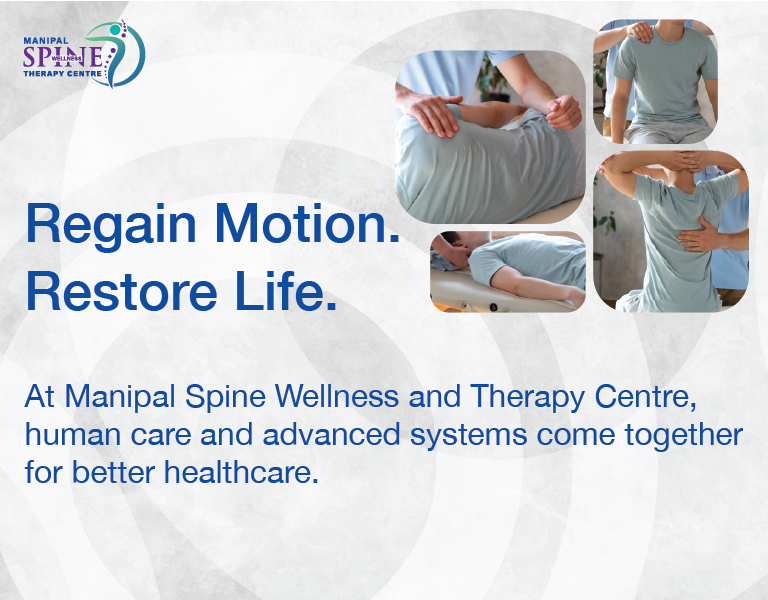
MSWTC offers a comprehensive range of therapies that combine hands-on physiotherapy, advanced technology, and guided exercise. From manual therapy and posture correction to robotic-assisted decompression and magnetotherapy, each intervention is selected based on what your spine needs at each stage of recovery. Our services are evidence-based, non-invasive, and designed to reduce pain, improve mobility, and strengthen the spine safely.
Rehabilitation Programs
Our structured rehabilitation programs are built to support you from the earliest stages of pain or injury to full functional recovery. Whether you're dealing with acute pain, chronic conditions, post-surgery needs, or neurological impairment, we offer phased, goal-driven plans. We provide a variety of packages including post-injection recovery, machine therapy, and paraplegic/quadriplegic rehabilitation.
Preventive Spine Health Tips
Good spine health depends on everyday habits. We guide you with simple, sustainable practices, from stretching, yoga, and posture correction to stress management and ergonomic adjustments. Our preventive advice helps reduce tension, avoid recurring injuries, and maintain spine strength and flexibility. These tips empower you to take control of your spinal well-being long after therapy ends.
Why Choose MSWTC?
With clinical leadership from India’s top robotic spine surgery team, MSWTC ensures every patient receives scientifically guided, safe, and personalized care. Our center integrates seamlessly with MIRSS, offering a smooth transition from diagnosis to therapy to long-term rehabilitation. Patients benefit from advanced therapeutic technology, expert physiotherapists, and a strong focus on education and self-management, making MSWTC one of India’s most comprehensive centers for spine wellness.
Frequently Asked Questions
Who can benefit from the Spine Wellness & Therapy Center?
Anyone experiencing neck pain, back pain, stiffness, sciatica, postural issues, or recovering from spine surgery can benefit from MSWTC. We also support patients with chronic pain, nerve sensitization, slipped discs, and neurological conditions such as paraplegia or quadriplegia.
How is MSWTC different from regular physiotherapy clinics?
MSWTC is integrated with the Manipal Institute of Robotic Spine Surgery (MIRSS) and supervised by India’s leading spine specialists. Our approach combines advanced therapy technologies and evidence-based manual therapy, offering a comprehensive medical & rehabilitative solution in one place.
Do I need a doctor’s referral to start therapy?
Not necessarily. Patients may walk in directly or be referred by a consultant. During your first visit, our physiotherapy team evaluates your condition, discusses your pain history, and designs a personalized therapy plan based on your goals, symptoms, and medical background.
How long does it take to see improvement?
Most patients experience relief within the first few sessions. Conditions like acute back or neck pain may improve in 3 to 7 days, while chronic pain or post-surgical rehabilitation may require structured programs lasting several weeks. Your therapist will track your progress and update your plan regularly.
What should I expect during my first session?
You will undergo a detailed assessment that includes posture analysis, movement testing, pain mapping, and nervous system evaluation. The therapist will explain your condition, outline the root cause of your pain, and start therapy immediately, often combining manual treatment with guided exercises or technology-based therapies.