1.webp "Type 1 Diabetes: Symptoms, Causes & Treatment | Manipal Hospitals")
Type 1 diabetes
Type 1 diabetes
Type 1 diabetes is a chronic autoimmune condition in which the body’s immune system mistakenly attacks and destroys insulin-producing beta cells in the pancreas. As a result, little to no insulin is produced, leading to elevated blood glucose levels. Unlike type 2 diabetes, it is not linked to lifestyle factors and commonly develops in children, adolescents, or young adults. Specialists at Manipal Hospitals offer long-term management essential to prevent serious complications affecting the organ.
Our Locations
-

Old Airport Road - Bengaluru
-
.webp)
Mysuru
-

Mangaluru
-
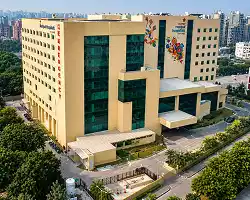
Dwarka - Delhi NCR
-

Patiala
-

Jaipur
-

Vijayawada
-
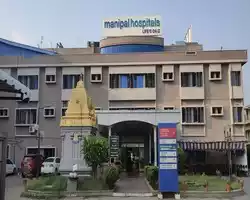
Salem
-
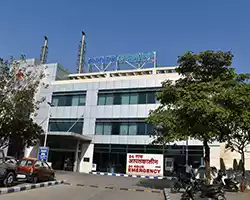
Kharadi - Pune
-

Salt Lake - Kolkata
-

Bhubaneswar
-

Siliguri
-
Ranchi

Didn’t find what you were looking for?
Get in touch with our representatives for help!
Request a CallbackSymptoms of Type 1 diabetes
Type 1 diabetes symptoms often develop rapidly over days to weeks. Common symptoms include excessive thirst, frequent urination, unexplained weight loss, extreme fatigue, increased hunger, blurred vision, and irritability. In some cases, individuals may develop diabetic ketoacidosis, a condition requiring emergency medical care.
How We Diagnose Type 1 diabetes
A type 1 diabetes diagnosis is confirmed through blood tests that show elevated blood glucose levels. Tests may include fasting blood sugar, random blood glucose, HbA1c (glycated haemoglobin), and urine tests for ketones. Additional antibody tests may be performed to confirm the autoimmune nature of the condition and differentiate it from other types of diabetes.
Treatment Options
Type 1 diabetes treatment requires lifelong insulin therapy to maintain normal blood sugar levels. Management includes multiple daily insulin injections or insulin pump therapy, along with regular blood glucose monitoring, dietary planning, and physical activity.
What to Expect
Patients receiving care for type 1 diabetes at Manipal Hospitals can expect a structured and comprehensive management approach. The journey begins with a detailed evaluation of blood glucose levels, symptoms, lifestyle patterns, and overall health status. Education plays a central role in care.
Since the body does not produce insulin, insulin therapy is initiated immediately after diagnosis. Doctors determine the appropriate insulin regimen, which may include basal-bolus injections or insulin pump therapy. Patients and caregivers are trained in insulin administration, blood glucose monitoring, carbohydrate counting, and recognising warning signs of hypoglycaemia or hyperglycaemia.
Regular follow-up visits are essential to monitor HbA1c levels, adjust insulin doses, and assess growth and development in children. Screening for long-term complications affecting the eyes, kidneys, nerves, and cardiovascular system is performed periodically. Ongoing counselling and multidisciplinary support help patients achieve stable glucose control and maintain a healthy, active lifestyle.
Consult our Experts
FAQs
-
What are the common causes of type 1 diabetes?
Type 1 diabetes causes are primarily autoimmune in nature. The immune system attacks insulin-producing cells in the pancreas. Genetic predisposition and certain environmental triggers, such as viral infections, may contribute to the development of the condition.
-
Can type 1 diabetes be prevented?
Type 1 diabetes is an autoimmune condition that cannot currently be prevented. There are no proven lifestyle measures to stop its onset. However, early recognition of type 1 diabetes symptoms and timely medical care can prevent serious complications.
-
What is Manipal Hospitals’ approach to type 1 diabetes management?
Manipal Hospitals follow a multidisciplinary approach. Management includes insulin therapy, continuous glucose monitoring, nutritional counselling, and patient education. Regular follow-ups, complication screening, and personalised care plans help ensure long-term glycaemic control and improved quality of life.
-
Is type 1 diabetes curable?
Currently, there is no permanent cure for type 1 diabetes. However, with appropriate type 1 diabetes treatment, regular monitoring, and lifestyle adjustments, individuals can effectively manage blood sugar levels and lead healthy lives.
-
Can children develop type 1 diabetes?
Yes, type 1 diabetes commonly develops in children and adolescents, although adults can also be affected. Early recognition of symptoms and prompt medical evaluation are crucial to prevent complications such as diabetic ketoacidosis.



You’re on Our Indian Website
Visit the Global site for International patient services
'Click' to chat with us
