2.webp "Sports Injury: Symptoms & Treatment")

Sports Injury
Sports Injury
Sports injuries occur during sports or athletic activities and may affect bones, muscles, ligaments, tendons, or other soft tissues. They commonly result from accidents, excessive training, sudden impact, or repetitive strain during physical activity. Common types of sports injuries include sprains, strains, fractures, dislocations, tendinopathies, and concussions. These injuries can affect mobility and physical function. Manipal Hospitals provides clinical evaluation, diagnostic services, and treatment support for sports-related injuries.
Our Locations
-

Old Airport Road - Bengaluru
-
.webp)
Mysuru
-
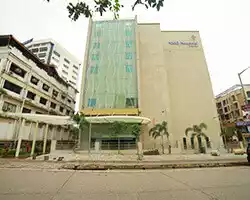
Mangaluru
-
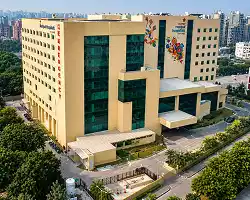
Dwarka - Delhi NCR
-
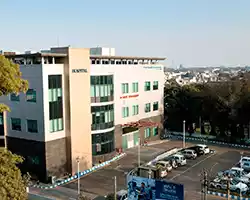
Patiala
-

Jaipur
-
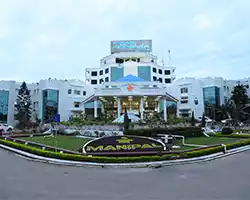
Vijayawada
-

Salem
-

Salt Lake - Kolkata
-

Baner - Pune
-

Bhubaneswar
-

Siliguri
-

Ranchi

Didn’t find what you were looking for?
Get in touch with our representatives for help!
Request a CallbackSymptoms of Sports Injury
Sports injury symptoms usually appear during or shortly after physical activity and may affect muscles, bones, or joints. Common signs include pain, swelling, bruising, restricted movement, and difficulty bearing weight. Symptom severity varies depending on the type and extent of the injury.
How We Diagnose Sports Injury
Diagnosis begins with a clinical consultation to review symptoms, medical history, and the circumstances surrounding the injury. A physical examination helps assess pain, swelling, range of motion, joint stability, and muscle strength. Imaging studies such as X-rays, MRI scans, or CT scans may be recommended to evaluate bone and soft tissue damage. Manipal Hospitals provides comprehensive assessment and diagnostic support for sports-related injuries.
Treatment Options
Sports injury treatment depends on the type, location, and severity of the condition. Management may include rest, ice application, compression, elevation, medications, immobilisation, and physiotherapy to reduce pain, support healing, and restore mobility.
What to Expect
Sports injury care at Manipal Hospitals begins with a detailed consultation to understand symptoms, activity history, and the circumstances surrounding the condition. Injuries may involve muscles, bones, ligaments, tendons, or soft tissues and require careful medical evaluation. Specialists perform a physical examination to assess pain, swelling, joint movement, and structural stability. Diagnostic imaging such as X-rays, MRI scans, or CT scans may be recommended to evaluate affected areas and guide treatment planning.
Treatment focuses on reducing pain, promoting recovery, and restoring normal function. Depending on the severity of the condition, management may include rest, ice therapy, medications, immobilisation, or procedures such as closed reduction to correct joint dislocation. Surgical treatment may be recommended for fractures, severe ligament injuries, or significant structural damage.
During sports injury treatment, rehabilitation plays an important role. Specialists may recommend sports physiotherapy to improve strength, flexibility, balance, and joint stability. Follow-up visits help monitor recovery progress and adjust treatment when necessary. Manipal Hospitals also provides guidance on safe return to physical activity and strategies for sports injury prevention.
Consult our Experts
FAQs
-
Are sports injuries common in people who exercise regularly?
Sports injuries can occur in individuals who participate in regular physical activity, especially during high-impact sports or repetitive movements. Proper training, correct technique, and sports injury prevention measures such as warm-up exercises and protective equipment may help reduce the risk.
-
Is surgery always required for sports injury treatment?
Surgery is not always necessary for sports injury treatment. Many injuries improve with rest, medication, immobilisation, and rehabilitation. Surgical procedures are considered when severe fractures, ligament tears, or joint instability cannot heal with conservative care.
-
How long does recovery usually take after a sports injury?
Recovery time varies depending on the type and severity of the condition. Minor injuries may improve within a few weeks, while more complex injuries may require longer recovery and structured sports physiotherapy to restore strength and mobility.
-
Can sports injuries be prevented?
Although some accidents cannot be avoided, many injuries may be prevented through proper sports injury prevention practices. These include warming up before activity, using protective equipment, increasing training intensity gradually, and allowing adequate rest and recovery.
-
What role does physiotherapy play in sports injury recovery?
Sports physiotherapy helps restore movement, strength, and flexibility following an injury. Rehabilitation exercises and structured therapy programmes support healing, improve joint stability, and reduce the risk of future injuries.



You’re on Our Indian Website
Visit the Global site for International patient services
'Click' to chat with us
