

Acne Scars
Acne Scars
Acne scars are common skin changes that occur when inflammatory acne damages the deeper layers of the skin. Once the acne subsides, the body may produce insufficient or excessive collagen, resulting in the formation of depressed or elevated scars. Acne scars commonly appear on the face, chest, or back. Early treatment of acne, along with proper dermatological care, can help minimise scar formation. Manipal Hospitals offers personalised treatments to help reduce the appearance of acne scars.
Our Locations
-

Old Airport Road - Bengaluru
-
.webp)
Mysuru
-

Mangaluru
-
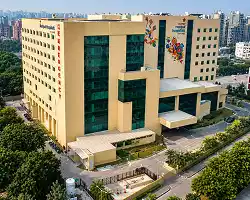
Dwarka - Delhi NCR
-

Patiala
-
Jaipur
-

Vijayawada
-

Salem
-
Kharadi - Pune
-

Salt Lake - Kolkata
-

Bhubaneswar
-

Siliguri
-

Ranchi

Didn’t find what you were looking for?
Get in touch with our representatives for help!
Request a CallbackSymptoms of Acne Scars
Acne scars appear as lasting changes in skin texture after acne heals. They may appear as depressed pits, an uneven skin surface, or raised, thickened areas. Some areas may also appear darker than the surrounding skin due to post-inflammatory hyperpigmentation.
How We Diagnose Acne Scars
A dermatologist performs a clinical examination of the skin to diagnose acne scars. They also assess the type, location, and severity of the scars, along with the patient's history of acne. The scars are classified clinically into atrophic scars (including ice-pick scars, boxcar scars, and rolling scars), hypertrophic scars, and keloid scars. This classification guides the recommended treatment options.
Treatment Options
The goal of acne scar treatment is to improve skin texture and reduce the visibility of scars. Options may include chemical peels, microneedling, laser therapy, dermal fillers, or minor surgical procedures such as subcision. The choice varies depending on scar type and severity.
What to Expect
Acne scar treatment at Manipal Hospitals begins with a proper skin examination to assess the type, depth, and distribution of scars. Dermatologists evaluate factors such as skin type, current acne activity, and previous treatment history before individualising the treatment plan.
In mild superficial scars, chemical peels or microneedling may stimulate collagen production and gradually improve skin texture. Deeper scars require laser resurfacing techniques to promote skin remodelling and the production of new collagen.
Based on the type of scar, additional treatments may be recommended. If scars are atrophic and create a dip in the skin, subcision is performed. This technique breaks the fibrous bands underlying the scar. In some cases, dermal fillers may be used to lift depressed scars and improve skin contour. For elevated scars, such as hypertrophic or keloid scars, corticosteroid injections are used.
The treatment plan involves several sessions because scar improvement is a gradual process. Dermatologists recommend sunscreen and proper skincare regimens to reduce the risk of hyperpigmentation and aid healing. Close follow-up care and proper treatment lead to significant improvement in skin texture and appearance for many patients.
Consult our Experts
FAQs
-
Are acne scars permanent?
Acne scars are often considered permanent structural changes in the skin. However, various dermatological treatments can improve their appearance and reduce their visibility. Early treatment of acne and quick scar management may lead to better outcomes.
-
What are the common causes of acne scars?
Acne scar causes include deep inflammation resulting from severe acne, delayed treatment, and damage to the skin during healing. Picking or squeezing acne lesions can worsen inflammation and increase the likelihood of permanent scarring in the skin.
-
Can acne scars improve naturally over time?
Superficial acne scars and pigmentation may gradually fade as the skin renews itself. However, deeper structural scars do not disappear completely without medical treatment. Their appearance may gradually soften with time and a proper skincare regimen.
-
Is laser treatment effective for acne scars?
Laser therapy can improve acne scars mainly by stimulating collagen production and resurfacing the damaged skin layers. It is useful especially for certain atrophic scars. Laser therapy requires multiple sessions for noticeable improvement in skin texture.
-
Which acne types are more likely to cause scars?
Severe inflammatory-type acne, such as nodules and cysts, is more likely to damage deeper skin layers, causing scars. Delayed treatment, repeated inflammation, and squeezing or picking acne can increase the risk of permanent scars.



You’re on Our Indian Website
Visit the Global site for International patient services
'Click' to chat with us
