4 Min Read
Melanin, the natural pigment that gives our skin, hair, and eyes their colour, plays a crucial role in protecting us from the sun's harmful ultraviolet (UV) rays. However, sometimes an overproduction or uneven distribution of melanin can lead to conditions like hyperpigmentation, dark spots, or an overall desire for a more even and brighter skin tone. We understand these concerns and offer expert guidance and advanced treatments to help you achieve your skin goals safely and effectively.
Synopsis
Understanding Melanin
Melanin is produced by specialised cells called melanocytes, located in the outermost layer of our skin. Its primary function is to absorb UV radiation, acting as a natural sunscreen to prevent DNA damage to skin cells, which can lead to premature ageing and skin cancer. The amount and type of melanin produced determine skin colour.
Several factors can trigger increased melanin production, leading to areas of darker skin:
-
Sun Exposure: The most common cause. UV radiation stimulates melanocytes to produce more melanin as a protective response.
-
Hormonal Changes: Conditions like melasma (tan, brown or grey hyperpigmented patches) are linked to hormonal fluctuations during pregnancy, with birth control pills, or hormone replacement therapy.
-
Inflammation and Injury: Post-inflammatory hyperpigmentation (PIH) can occur after skin injuries, acne breakouts, eczema, or other inflammatory conditions.
-
Genetics: Our inherent genetic makeup determines our base skin colour and how prone we are to developing pigmentation issues.
-
Certain Medications: Some drugs can cause increased sun sensitivity or directly trigger hyperpigmentation
How to Reduce Hyperpigmentation in Skin Naturally?
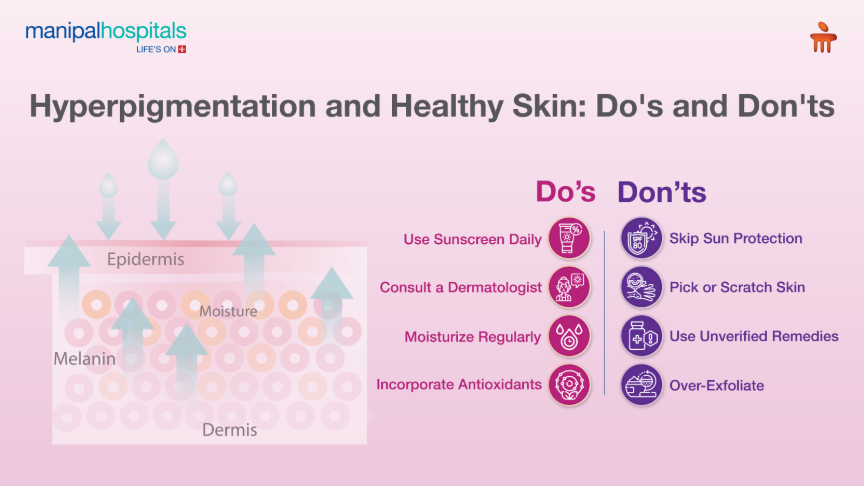
While complete and permanent reduction of all melanin isn't feasible or advisable (given its protective role), you can certainly manage and decrease hyperpigmentation and achieve a brighter, more even complexion using natural methods and lifestyle adjustments. These include:
-
Strict Sun Protection: This is arguably the most critical step. Consistent use of a broad-spectrum sunscreen (SPF 30 or higher) daily, even on cloudy days, can prevent further melanin production. Wearing protective clothing, wide-brimmed hats, and seeking shade, especially between 10 AM and 4 PM, significantly reduces UV exposure. Studies show that regular use of broad-spectrum sunscreen can reduce the risk of new pigmentation by up to 50%.
-
Antioxidant-Rich Diet: A diet rich in antioxidants can help protect skin cells from damage and support overall skin health. Incorporating fruits and vegetables like berries, citrus fruits (rich in Vitamin C), leafy greens, and green tea can aid in skin repair and contribute to a healthier glow.
-
Vitamin C: A powerful antioxidant, Vitamin C serums can brighten skin and reduce the appearance of dark spots.
-
Kojic Acid: Derived from fungi, it is a common ingredient in skin-lightening products.
-
Alpha Arbutin: A natural derivative of hydroquinone, found in bearberry plants, known for its skin-brightening properties.
-
Niacinamide (Vitamin B3): Helps reduce the transfer of melanin to skin cells, improving overall tone
Advanced Medical Treatments for Hyperpigmentation
For more stubborn pigmentation, a range of cutting-edge medical treatments are available, some of which include:
-
Chemical Peels: These involve applying a chemical solution to the skin, which exfoliates the top layers and encourages new, less pigmented skin to regenerate. Various strengths of peels are offered, tailored to your skin type and specific concerns.
-
Laser Therapy: Advanced laser treatments specifically target melanin in the skin, breaking it down into smaller particles that the body then clears away. This is highly effective for sunspots, melasma, and post-inflammatory hyperpigmentation.
-
Topical Prescription Medications: Dermatologists may prescribe stronger topical creams containing ingredients that effectively inhibit melanin production or accelerate skin cell turnover. These are used under strict medical supervision for optimal results and safety
Can We Permanently Reduce Hyperpigmentation in Skin?
While medical treatments can significantly reduce hyperpigmentation and inhibit new melanin production, melanocytes are still present in the skin. Therefore, reducing hyperpigmentation requires a multi-faceted approach:
-
Consistent Maintenance: Even after successful treatments, adherence to sun protection and a good skincare regimen is crucial.
-
Lifestyle Management: Addressing underlying causes like hormonal imbalances or inflammatory skin conditions.
-
Periodic Follow-ups: Regular consultations with your dermatologist can help monitor your skin and adjust your treatment plan as needed.
Conclusion
If you are experiencing pigmentation concerns or wish to achieve a brighter, more even skin tone, it's crucial to seek timely medical advice from trusted experts. Our expert dermatologists in Mangalore provide personalised plans, leveraging advanced technology to safely and effectively help manage conditions like hyperpigmentation.
FAQ's
Complete permanent removal of all melanin is not possible nor recommended, as melanin protects your skin. However, medical treatments and consistent skincare can significantly reduce existing pigmentation and inhibit future production, providing long-lasting, brighter, and more even skin tone.
The timeline varies depending on the treatment type, the severity of the pigmentation, and the individual skin response. Natural methods can take several weeks to months, while medical procedures, such as laser therapy, may show noticeable improvement within a few sessions, typically over a period of 2-3 months.
When performed by qualified dermatologists using approved methods, melanin reduction treatments are generally safe. Thorough assessments are conducted, and state-of-the-art equipment is used to ensure effective and secure outcomes.
Many natural remedies, such as Vitamin C or certain plant extracts, can be beneficial. However, it's always best to patch-test new products and consult with a dermatologist, especially if you have sensitive skin or existing skin conditions, to avoid adverse reactions.
Lifestyle changes, especially diligent sun protection, can help maintain the results of any treatments. A healthy diet also supports overall skin vitality.
Share this article on: