6 Min Read
Circumcision is a surgical procedure to remove the foreskin, the fold of skin that covers the head (glans) of the penis. While often performed on infants for religious or cultural reasons, it is also a safe and common procedure for adults, typically for medical reasons or personal preference. Modern surgical techniques, coupled with effective pain management, have significantly evolved to prioritise patient comfort, so that you don’t have to wonder: “is circumcision painful?”
Synopsis
Why Consider Circumcision? Benefits and Reasons
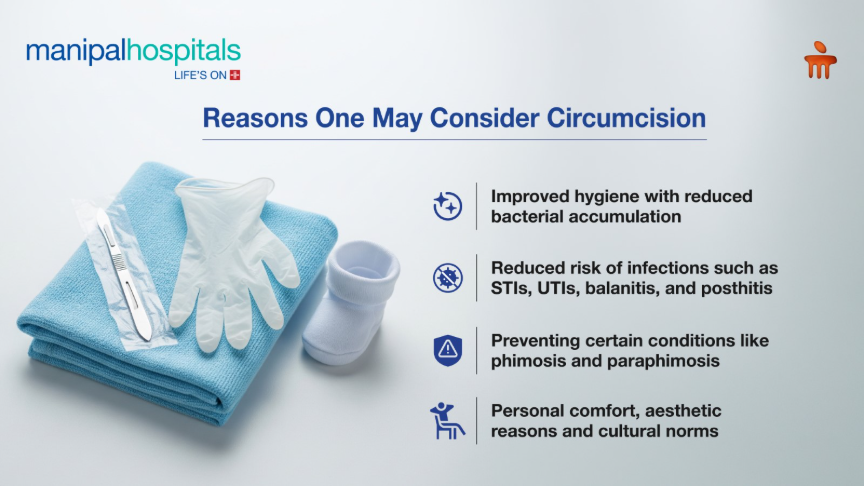
The decision to undergo circumcision, especially as an adult, is a personal one, often driven by various factors. Many individuals seek the procedure for its potential health benefits and improved hygiene:
-
Improved Hygiene: Without the foreskin, cleaning the penis becomes simpler, reducing the risk of bacterial accumulation under the foreskin.
-
Reduced Risk of Infections: Circumcision has been shown to reduce the risk of urinary tract infections (UTIs), especially in infancy. For adults, it can also lower the incidence of balanitis (inflammation of the glans) and posthitis (inflammation of the foreskin).
-
Preventing Certain Conditions: Conditions like phimosis (foreskin that cannot be retracted) and paraphimosis (foreskin that cannot be returned to its original position after retraction) are effectively treated and prevented by circumcision.
-
Reduced Risk of STIs: Research suggests that male circumcision can lower the risk of acquiring certain sexually transmitted infections.
-
Personal Preference: Many men choose circumcision for aesthetic reasons or personal comfort, aligning with partner preferences or cultural norms.
Before the Procedure: Preparation and Consultation
Preparing for circumcision involves a thorough consultation with a urologist to discuss your medical history, expectations, and address any concerns
Pre-operation Assessment
This includes a comprehensive medical evaluation with the urologist:
-
A detailed review of your health history.
-
A physical examination to assess your suitability for the procedure.
-
Discussing any existing medical conditions or medications you are taking.
After which the expert may discuss the process of the surgery, anaesthesia options, pain management strategies, and the recovery process in detail, providing a clear picture of what to anticipate.
The Circumcision Procedure
For adult circumcision, the procedure is typically performed under either local anaesthesia or general anaesthesia:
-
Local Anaesthesia: The area around the penis is numbed with an injection. You will be awake but will not feel pain during the surgery. You might feel some pressure or movement, but no sharp sensations. This is a common choice, allowing for a quicker recovery from anaesthesia.
-
General Anaesthesia: You will be completely asleep during the procedure. This option is often chosen for patients who prefer to be unconscious or if the surgeon deems it more appropriate.
-
Regional Anaesthesia: The lower half of the body will be anaesthetised and you will be awake while the procedure is being done.
The experts will come up with the anaesthetic strategy to your individual needs and preferences, ensuring you experience no pain during the procedure. The surgery usually takes between 30 to 60 minutes.
After the Procedure: Managing Recovery and Pain
The immediate post-operative period is when you might experience some discomfort, but effective pain management strategies are key to a smooth recovery. It becomes important to address pain after the procedure especially while urinating.
Immediate Post-Operative Care
After your circumcision, you will be monitored briefly before being discharged. You will receive detailed instructions on wound care, hygiene, and pain management. A light dressing will be applied to the area, which typically remains for 24-48 hours. There will be some swelling and bruisinxg, which are normal and will subside gradually.
Pain Management Strategies
While some pain after the circumcision procedure is to be expected as the anaesthesia wears off, it is generally manageable with over-the-counter pain relievers or prescribed medication.
You might experience some pain while urinating after circumcision during the first few days, which is usually due to swelling and the healing process. Staying well-hydrated can help dilute urine and make this sensation less intense. If the pain is severe or persistent, please do contact your doctor.
Healing Timeline and What to Expect
The healing process is gradual, and understanding the timeline can help manage expectations:
-
First Few Days: Swelling and bruising are most noticeable. Mild to moderate pain is present but controlled with medication. The dressing may be removed, and you’ll begin gentle washing as instructed.
-
First Week: Significant swelling starts to reduce along with the discomfort. Most individuals can return to light activities and desk work.
-
After 2-4 Weeks: Most of the superficial healing occurs. Swelling should be minimal, and discomfort largely resolved. You can gradually resume more strenuous activities, though sexual activity is generally advised against for 4-6 weeks.
-
During 4-6 Weeks: Full recovery is typically achieved, with the wound completely healed. You can resume all normal activities, including sexual activity, once cleared by your doctor.
Care Essentials: Do's and Don'ts
Proper post-operative care is crucial for optimal healing and to minimise discomfort after circumcision surgery:
Do's:
-
Keep the Area Clean: Gently wash the area with mild soap and water as advised by your doctor, usually after the initial dressing is removed. Pat dry carefully.
-
Wear Loose Clothing: Opt for loose-fitting underwear and clothing to prevent friction and irritation.
-
Take Pain Medication: Follow your doctor's instructions for pain relief.
-
Stay Hydrated: Drink plenty of water to help with urinary discomfort and overall healing.
-
Rest: Allow your body time to heal, especially in the first few days.
-
Follow Up: Attend all scheduled follow-up appointments at Manipal Hospitals to monitor your healing progress.
Don'ts:
-
Don't Engage in Strenuous Activity: Avoid heavy lifting, vigorous exercise, or prolonged standing for at least 2-4 weeks.
-
Don't Engage in Sexual Activity: Refrain from sexual activity for 4-6 weeks, or as advised by your doctor, to prevent injury and promote healing.
-
Don't Pick at Scabs or Stitches: Allow them to fall off naturally or be removed by a professional.
-
Don't Ignore Unusual Symptoms: Contact your doctor immediately if you experience excessive bleeding, pus, fever, increasing redness, warmth, or severe swelling.
-
Don't Bathe in Tubs or Pools: Avoid soaking in baths, hot tubs, or swimming pools until your wound is fully healed to prevent infection. Showers are generally fine after the initial dressing is removed.
When to Seek Medical Attention
While circumcision is generally a safe procedure, like any surgery, it carries a small risk of complications, some of which include:
-
Bleeding
-
Infection
-
Adverse reaction to anaesthesia
-
Problems with the cosmetic outcome (e.g., too much or too little foreskin removed)
-
Meatal stenosis (narrowing of the urethral opening)
Please seek immediate medical attention if you experience any of the following:
-
Heavy bleeding (soaking through dressings)
-
Signs of infection, such as fever, increasing redness, warmth, or pus from the wound
-
Severe or worsening pain not relieved by medication
-
Difficulty urinating or inability to urinate
-
Persistent or increasing swelling beyond the first few days
Conclusion
Circumcision is a procedure that involves the removal of the foreskin, for various reasons, whether it be religious, medical or personal reasons. And it is natural to wonder is if the procedure is painful. Our experts at KMC Hospital, Mangalore, strive to ensure that every patient in our care for an adult circumcision surgery receives a comfortable, safe, and positive experience. If you are considering a circumcision or have concerns about the procedure, our experts at the Department of Urology will be able to help you out
FAQ's
Circumcision in adults is performed under local or general anaesthesia, meaning you won't feel pain during the procedure. Post-operatively, adults might experience more discomfort than infants due to the larger wound area and active lifestyle, but this pain is manageable with medication.
Most adults can return to light, desk-based work within a few days, typically 2-3 days, provided it doesn't involve strenuous activity or prolonged standing. It's best to take a few days off for initial recovery.
Significant swelling usually subsides within the first week. Minor swelling can persist for up to 3-4 weeks but generally doesn't cause significant discomfort.
Some minor spotting is normal, especially in the first 24-48 hours. Excessive or continuous bleeding that soaks through dressings is not normal and requires immediate medical attention.
It is generally advised to avoid sexual activity for 4 to 6 weeks after circumcision to allow for complete healing and prevent complications. Your doctor will provide specific guidance based on your individual recovery.
Yes, Manipal Hospitals offers expert circumcision surgery, including adult circumcision, at our facilities across India, including in Mangalore. Our experienced urologists ensure comprehensive care from consultation to recovery.
Share this article on: