

-
Centre of
Excellence
Centre of Excellence
- Bariatric Surgery - MIBS
- Cardiology
- Cardiothoracic Vascular Surgery
- Clinical Haematology and Hemato-Oncology
- Comprehensive Cancer Care
- Gastrointestinal Science
- Interventional Neuroradiology
- Liver Transplantation Surgery
- Nephrology
- Neurology
- Neurosurgery
- Obstetrics and Gynaecology
- Orthopaedics and Joint Replacement
- Spine Care
- Urology
Other Specialities
- Anesthesiology
- Bariatric Surgery | Weight loss surgery
- Clinical Psychology
- Dental Medicine
- Dermatology
- Diabetes and Endocrinology
- Ear Nose Throat
- Electrophysiology
- General Medicine
- General Surgery
- Genetics
- GI Surgery
- Gynaec Oncology
- Hepatobiliary Surgery
- ICU and Critical Care
- Internal Medicine
- Interventional Pulmonology
- Laboratory Medicine
- Medical Gastro
- Medical Oncology
- Microbiology
- Minimal Access Surgery
- Neonatology & NICU
- Nocturnal Dialysis
- Nuclear Medicine
- Nutrition And Dietetics
- Ophthalmology
- Oral Maxillo Facial Surgery
- Orthopaedic Oncology
- Paediatric And Child Care
- Paediatric Cardiology
- Paediatric Endocrinology
- Paediatric Pulmonology
- Paediatric Surgery
- Pain Management
- Pathology
- Pharmacy
- Physiotherapy
- Plastic And Cosmetic Surgery
- Psychiatry
- Psychology
- Radiology
- Radiotherapy (Oncology Radiation)
- Renal Sciences
- Rheumatology
- Robotic Assisted Surgery
- Sports Medicine
- Surgical Gastro
- Surgical Oncology
- Transfusion Medicine
- Vascular and Endovascular Surgery
Speciality Clinics
- Adolescent & Teen Health Clinic (Physical, Emotional, and Social Well-being)
- Cholesterol Management Clinic
- Geriatric Care Clinic
- Heart Failure Clinic
- Liver Clinic
- Metabolic Clinic
- Onco-Dermatology Clinic
- Psychology & Behavioural Health Clinic
- Thyroid Management Centre/Clinic
- Uro-Gynaecology Clinic
- Weight & Metabolic Health Clinic
- Doctors
- Kanakapura Road
-

Bengaluru

-
-

Bhubaneswar
-
Bhubaneswar
-
-

Delhi - NCR
-

Goa
-
Goa
-
-

Jaipur
-

Kolkata
-

Mangaluru
-

Mysuru
-

Patiala
-

Pune
-

Ranchi
-

Salem
-

Siliguri City
-

Vijayawada
- International Patients


Clinics
 Search
- Self Registration
- In-Patient Deposit
- Mars - Ambulance
- Home Care
- Organ Donation
- Corporate & PSU
- Awards And Achievements
- Manipal Insider
- Careers
- Contact Us


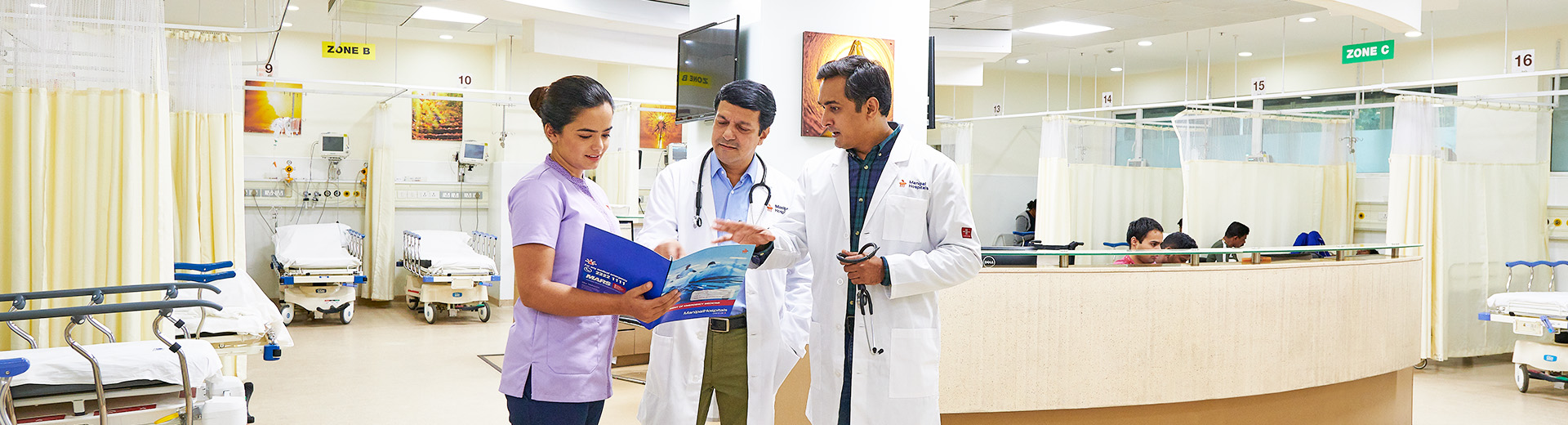
Renal transplantation - highly sensitized recipient
Renal Transplantation in Kanakapura Road
Living with long-term kidney failure can feel exhausting, especially when life starts revolving around dialysis schedules and medical visits. At Manipal Hospital Kanakapura Road, renal transplantation offers a chance to regain independence and energy. The programme focuses on safe donor selection, careful surgical planning, and long-term graft protection. Patients receive coordinated care from evaluation to recovery, helping them return to their routine life with confidence through renal transplantation in Kanakapura Road.
How It Works
The transplant journey begins with a comprehensive evaluation by nephrologists and transplant surgeons. Doctors review medical history, dialysis status, existing illnesses, and overall fitness for transplant surgery. Blood group matching, tissue typing, and crossmatch testing help confirm compatibility between donor and recipient. Detailed imaging and cardiac screening ensure surgical safety and reduce perioperative risks.
If a family member is willing to donate, a structured donor evaluation is conducted, which focuses on kidney function, anatomical suitability, and emotional readiness. When a deceased donor kidney becomes available, emergency matching and preparation begin quickly to minimise delay and preserve organ function.
The donor kidney is meticulously attached to the urinary tract and blood vessels during surgery. Transplant surgeons assess blood flow and urine output before completing the procedure. Post-surgery care involves close monitoring of fluid balance, graft performance, and infection risk.
Patients begin medication education early, including lifelong immunosuppressive therapy.
Long-term follow-up remains essential. Regular doctor visits, blood tests, and imaging help monitor graft health and detect complications early, supporting stable recovery and helping patients safely resume work, education, and social activities.
Benefits
A successful transplant can transform daily life for patients living with kidney failure. After recovery, many individuals experience benefits, including:
-
Freedom from routine dialysis schedules
-
Improved stamina, appetite, and overall well-being
-
Greater flexibility to return to work, education, and travel
-
Better long-term survival compared to prolonged dialysis in suitable candidates
-
Structured follow-up that protects graft function and supports medication safety
What to Expect
-
Referral and evaluation - Referral prompts a full clinical review, blood tests, imaging, and cardiac checks to confirm transplant suitability and timing.
-
Donor evaluation and matching - Living donors undergo blood group testing, tissue typing, imaging, and psychosocial assessment. Deceased donor matching follows allocation rules with rapid crossmatch testing.
-
Preoperative optimisation - Teams correct anaemia, control blood pressure, and treat infections. Counsellors explain risks, consent, and post-transplant lifestyle and medication responsibilities.
-
Surgery day - Under general anaesthesia, the surgeon places the donor kidney, connects the vessels and the urinary tract, and checks graft perfusion and urine output carefully.
-
Immediate recovery and monitoring - Patients go to a monitored ward for frequent checks of urine, fluids, and graft function. Pain control and early mobilisation are prioritised.
-
Hospital stay - Length varies with recovery; many patients leave within a few days when stable. Before discharge, families receive detailed medication, wound care, and follow-up plans.
-
Follow-up and long-term care - Routine clinic visits, blood testing, and lifestyle guidance help protect graft health and support long-term stability after a kidney transplant in Kanakapura Road.
Why Manipal Hospitals
Manipal Hospitals Kanakapura Road brings together experienced transplant surgeons, dedicated transplant nephrologists, and a full team of specialist nurses, pharmacists, and coordinators to deliver personalised renal transplant care. The department manages living and deceased donor programmes and ABO-incompatible and complex immunological cases, with access to accredited immunology and molecular testing.
Our care is practical and family-centred: the care coordinator explains treatment clearly, provides psychosocial support, and ensures rapid access to labs and ICU when needed. Long-term graft surveillance and rehabilitation are built into follow-up so patients and families feel supported at every stage. Key strengths include:
-
Dedicated transplant surgery and nephrology specialists.
-
Accredited immunology and compatibility testing laboratories.
-
Living donor evaluation with strong donor safety protocols.
-
Integrated ICU and postoperative transplant monitoring.
-
Structured rehabilitation and long-term transplant follow-up clinics.
Speciality – Nephrology
The Department of Nephrology at Manipal Hospital Kanakapura Road provides comprehensive kidney care, supporting patients from early kidney disease management to advanced dialysis and renal transplant services. The team guides families through transplant preparation, donor evaluation, and recovery, while delivering personalised treatment, continuous monitoring, and compassionate care for both adult and paediatric kidney conditions.
Services Offered
Services provided range from the provision of living donor transplant evaluations, deceased donor transplant coordination, desensitisation protocols in complex compatibility issues requiring desensitisation, transplantation counselling services, immunosuppressive drug planning, assistance from a transplant coordinator, paediatric transplant services, infection surveillance services, and long-term graft monitoring clinics that promote a safe recovery after a living donor kidney transplant on Kanakapura Road.
Facilities and Services
Delivering safe renal transplantation in Kanakapura Road, Bangalore, requires coordinated surgical, medical, and laboratory support. We provide:
-
Dedicated transplant operating theatres with advanced surgical infrastructure
-
Modern intensive care units for immediate postoperative monitoring
-
Accredited immunology laboratories for HLA typing and crossmatch testing
-
On-site dialysis backup for pre- and post-transplant needs
-
Specialised transplant pharmacy and counselling services
-
Structured long-term graft surveillance and transplant follow-up clinics
FAQ's
Patients with advanced kidney failure who are medically stable and free from uncontrolled infection or cancer may qualify. A detailed evaluation helps doctors decide if transplant surgery is safe and beneficial.
Yes. Family members can donate after a thorough health screening, kidney imaging, and counselling. Donor safety remains the highest priority, and long-term follow-up ensures continued donor health and well-being.
Initial recovery usually takes several weeks, though most patients gradually resume daily activities earlier. Complete adjustment to medications and lifestyle changes may take longer, depending on individual healing and graft stability.
Yes. Immunosuppressive medications prevent rejection and protect graft health. Doctors adjust dosages through regular monitoring to balance effectiveness with side effect management after renal transplantation in Kanakapura Road.
For many patients, transplant improves survival, energy levels, and overall quality of life compared to dialysis. Our kidney transplant surgeons in Kanakapura Road evaluate each case individually before recommending treatment options.
Home Kanakapuraroad Specialities Nephrology Renal-transplantation-highly-sensitized-recipient



You’re on Our Indian Website
Visit the Global site for International patient services
