

-
Centre of
Excellence
Centre of Excellence
- Bariatric Surgery - MIBS
- Cardiology
- Cardiothoracic Vascular Surgery
- Clinical Haematology and Hemato-Oncology
- Comprehensive Cancer Care
- Gastrointestinal Science
- Interventional Neuroradiology
- Liver Transplantation Surgery
- Nephrology
- Neurology
- Neurosurgery
- Obstetrics and Gynaecology
- Orthopaedics and Joint Replacement
- Spine Care
- Urology
Other Specialities
- Anesthesiology
- Bariatric Surgery | Weight loss surgery
- Clinical Psychology
- Dental Medicine
- Dermatology
- Diabetes and Endocrinology
- Ear Nose Throat
- Electrophysiology
- General Medicine
- General Surgery
- Genetics
- GI Surgery
- Gynaec Oncology
- Hepatobiliary Surgery
- ICU and Critical Care
- Internal Medicine
- Interventional Pulmonology
- Laboratory Medicine
- Medical Gastro
- Medical Oncology
- Microbiology
- Minimal Access Surgery
- Neonatology & NICU
- Nocturnal Dialysis
- Nuclear Medicine
- Nutrition And Dietetics
- Ophthalmology
- Oral Maxillo Facial Surgery
- Orthopaedic Oncology
- Paediatric And Child Care
- Paediatric Cardiology
- Paediatric Endocrinology
- Paediatric Pulmonology
- Paediatric Surgery
- Pain Management
- Pathology
- Pharmacy
- Physiotherapy
- Plastic And Cosmetic Surgery
- Psychiatry
- Psychology
- Radiology
- Radiotherapy (Oncology Radiation)
- Renal Sciences
- Rheumatology
- Robotic Assisted Surgery
- Sports Medicine
- Surgical Gastro
- Surgical Oncology
- Transfusion Medicine
- Vascular and Endovascular Surgery
Speciality Clinics
- Adolescent & Teen Health Clinic (Physical, Emotional, and Social Well-being)
- Cholesterol Management Clinic
- Geriatric Care Clinic
- Heart Failure Clinic
- Liver Clinic
- Metabolic Clinic
- Onco-Dermatology Clinic
- Psychology & Behavioural Health Clinic
- Thyroid Management Centre/Clinic
- Uro-Gynaecology Clinic
- Weight & Metabolic Health Clinic
- Doctors
- Kanakapura Road
-

Bengaluru

-
-

Bhubaneswar
-
Bhubaneswar
-
-

Delhi - NCR
-

Goa
-
Goa
-
-

Jaipur
-

Kolkata
-

Mangaluru
-

Mysuru
-

Patiala
-

Pune
-

Ranchi
-

Salem
-

Siliguri City
-

Vijayawada
- International Patients


Clinics
 Search
- Self Registration
- In-Patient Deposit
- Mars - Ambulance
- Home Care
- Organ Donation
- Corporate & PSU
- Awards And Achievements
- Manipal Insider
- Careers
- Contact Us


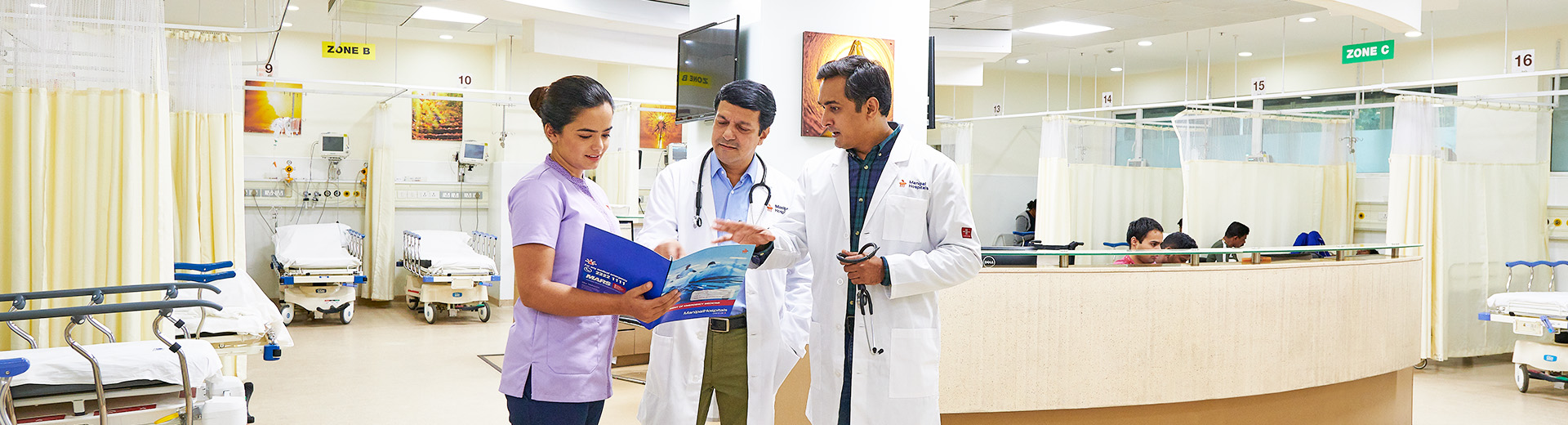
Cadaveric/Deceased Donor Renal Transplantation
Cadaveric Renal Transplantation in Kanakapura Road
Facing kidney failure is frightening, and timely access to transplant care can change lives. At Manipal Hospitals, we offer a structured cadaveric renal transplantation in Kanakapura Road that coordinates donor allocation, rapid surgical response, and long-term graft support with clear, compassionate counselling. The team manages urgent matching, organ preservation, and perioperative optimisation to restore kidney function and quality of life. The centre supports adult and paediatric recipients with follow-up and rehabilitation for reliable outcomes.
How It Works
At Manipal Hospitals Kanakapura Road, cadaveric transplantation follows established deceased donor renal transplantation pathways, starting with donor identification and brain-death certification and moving rapidly through regional allocation systems. The transplant coordinator assesses recipient suitability using urgency scores and immunological data while legal documentation and family consent are finalised. Logistics are synchronised to minimise cold ischaemia times and preserve graft viability during transport.
Recipients receive preoperative assessment and anaesthesia optimisation before our surgical team steps in to perform vascular anastomosis and graft reperfusion. Intraoperative monitoring ensures haemodynamic stability and immediate graft perfusion checks. Parallel immunological testing, including crossmatch and antibody screens, confirms compatibility, allowing perioperative immunosuppression to begin promptly.
Postoperatively, patients receive intensive graft-function monitoring with serial creatinine, urine-output tracking, and Doppler imaging. Protocol biopsies and infection surveillance guide immunosuppression adjustments. The multidisciplinary team, including nephrology, surgery, anaesthesia, nursing, pharmacy, and social work, coordinates rehabilitation, medication education, outpatient follow-up, and liaison with regional transplant registries to ensure continuity of care and rapid response to complications.
Benefits
For patients awaiting a transplant, deceased donor programs offer a vital opportunity when a living donor is not available. People may benefit from:
-
Access to a life-saving kidney without requiring a family donor
-
Reduced long-term dependence on dialysis
-
Improved survival and quality of life after successful transplant
-
Structured monitoring that protects graft function and supports long-term health
-
Coordinated transplant support during urgent organ allocation
What to Expect
From referral to rehabilitation, families are kept informed and supported throughout the cadaveric transplant journey, with clear timing and steps to reduce uncertainty; the centre coordinates renal transplantation in Kanakapura Road.
-
Consultation and Evaluation - A transplant physician and coordinator review history, comorbidities, and urgency. Blood group, HLA typing, crossmatch, and infectious screens are ordered and discussed with the family alongside risks, benefits, and likely timelines.
-
Organ Allocation and Surgery - When an organ is offered, compatibility and legal clearances are confirmed. The theatre team prepares the recipient; surgeons perform vascular anastomosis with strict attention to ischaemia times and graft reperfusion.
-
Immediate Recovery and Monitoring - Patients recover in high-dependency areas with close fluid balance, urine output tracking, serial creatinine measures, and Doppler scans. Protocol biopsies identify early rejection or dysfunction.
-
Follow-up and Rehabilitation - Discharge planning includes medication counselling, physiotherapy, outpatient clinic scheduling, and emergency contacts. The transplant team arranges outpatient monitoring, teleconsultations, and regional liaison to ensure fast care for any post-transplant issues.
Why Manipal Hospitals Kanakapura Road
Manipal Hospitals Kanakapura Road combines clinical expertise, rapid diagnostics, and patient-centred pathways to deliver dependable deceased donor transplant outcomes. Our multidisciplinary team of transplant surgeons, nephrologists, immunologists, dedicated nurses, and pharmacists coordinates organ acceptance, perioperative care, and long-term graft surveillance. Key reasons patients choose Manipal Hospitals, Kanakapura Road.
-
Experienced multidisciplinary transplant teams with proven results
-
Rapid accredited laboratory reporting and protocol-driven diagnostics
-
Transparent donor allocation and standardised surgical and preservation techniques
-
Family-centred counselling, telemedicine, and administrative support for documentation
-
Comprehensive perioperative care, rehabilitation, and long-term follow-up services
Families benefit from clear explanation, legal and administrative support, telemedicine options, and 24/7 transplant coordination for urgent issues. The program emphasises expedited donor logistics when time is critical while providing psychosocial support so families can make informed decisions and pursue sustained post-transplant well-being.
Specialty – Nephrology
The Nephrology Department at Manipal Hospitals Kanakapura Road provides comprehensive kidney disease management, dialysis support, transplant evaluation, perioperative care, immunosuppression stewardship, and long-term graft surveillance. The team includes nephrologists, transplant surgeons, specialised nurses, pharmacists, and counsellors offering coordinated, family-centred care with measurable outcomes.
Services Offered
Services include deceased donor evaluation and organ acceptance, waiting-list management, surgical retrieval coordination, perioperative critical care, HLA and crossmatch testing, protocol biopsies, personalised immunosuppression plans, outpatient transplant clinics, dialysis bridging, donor family counselling, teleconsultations, emergency transplant access, and administrative help for documentation and financial guidance with rapid laboratory reporting services.
Facilities and Services
Time-sensitive organ allocation demands seamless coordination, surgical readiness, and robust laboratory backup. To support deceased donor renal transplantation in Kanakapura Road, we provide:
-
Fully equipped transplant operating theatres with organ preservation capability
-
High-dependency and intensive care units for close graft monitoring
-
Accredited on-site HLA typing and crossmatch laboratories
-
Round-the-clock transplant coordination and emergency response systems
-
Dedicated transplant pharmacy for immunosuppressive therapy management
-
Structured outpatient follow-up and rehabilitation services
FAQ's
Cadaveric renal transplantation in Kanakapura Road uses a kidney from a deceased donor allocated through regional registries. Eligibility depends on medical urgency, comorbidities, immunological testing, and consent; recipients are prioritised by clinical criteria and transplant suitability assessments.
Evaluation and matching commonly take days to weeks based on organ offers and urgency. Essential tests include blood group, HLA typing, crossmatch, infectious screening, and baseline imaging; legal consent is completed when an organ is offered.
Deceased donor transplants broaden access and shorten wait times but can show higher delayed graft function and variable organ quality. With expert surgical care and monitoring, long-term outcomes are comparable using established immunosuppression and surveillance protocols.
Coverage depends on the insurer and policy; many schemes fund a transplant when clinically necessary. The team supplies cost estimates and preauthorisation documents and connects families with financial counselling, charity options, and government schemes to ease expense burdens.
Follow-up involves scheduled clinic visits, blood tests, drug-level monitoring, infection surveillance, and protocol biopsies when needed. Teleconsultations and a 24/7 transplant coordination line provide rapid advice and urgent management for any post-transplant concerns.
Home Kanakapuraroad Specialities Nephrology Cadaveric-deceased-donor-renal-transplantation



You’re on Our Indian Website
Visit the Global site for International patient services
