4 Min Read
Individuals living with diabetes often ask this one question - "how much sugar is allowed?” Many tend to believe all forms of sugar are forbidden, leading to unnecessary dietary restrictions and anxiety. This article aims to demystify sugar intake for those managing diabetes, so you can make informed choices for a healthier, more balanced life.
Synopsis
Understanding Diabetes
Before determining how much sugar is suitable for diabetics, it is important to understand diabetes. It is a chronic condition affecting millions globally, characterized by high blood sugar levels. Understanding its nuances, including various types of diabetes, is crucial. Uncontrolled blood sugar can lead to various diabetes symptoms, such as increased thirst, frequent urination, fatigue, and blurred vision. Persistently high blood sugar can cause serious health complications affecting the heart, kidneys, eyes, and nerves. This highlights the importance of blood sugar management.
Understanding Sugar and Its Impact
Reality of sugar consumption, especially in case of diabetes, is a complex reality. However, carbohydrate consumption must be managed as well, as carbohydrate is broken down into sugar, primarily glucose, which gets absorbed into the bloodstream. Careful management of carbohydrate and sugar intake is paramount. However, this does not mean a life devoid of sweetness. A certain amount of sugar is important, even if you are diabetic. The key lies in understanding different types of sugars, their sources, and how to integrate them wisely into a balanced diet. With consistent management, more than 85% of diabetics can lead full, active lives.
For those experiencing pre diabetes symptoms, early intervention and lifestyle changes, including smart sugar management, are incredibly effective. Studies show that effective dietary management can help over 70% of individuals with pre-diabetes prevent or delay Type 2 diabetes.
Key Principles for Navigating Sugar with Diabetes
With some of these simple yet effective modifications, you can manage carbohydrate consumption in a sustainable and realistic way.
-
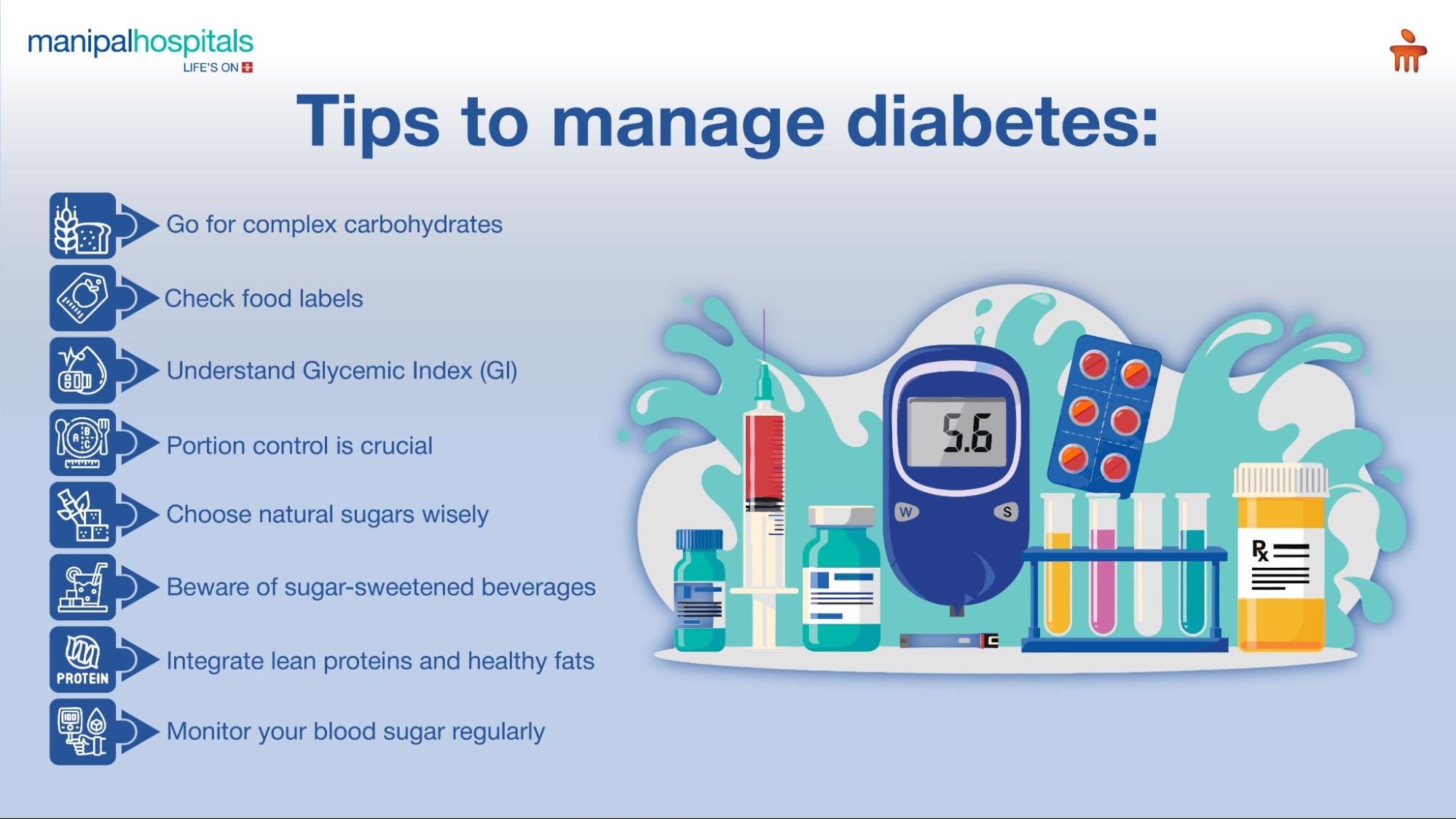
Go for complex carbohydrates: Include whole grains, legumes, and vegetables in your diet, as these are sources of fibre. Fibre slows sugar absorption, leading to gradual blood sugar rise.
-
Check food labels: Check "Total Carbohydrates" and "Added Sugars”, as many processed foods have hidden sugars.
-
Understand Glycemic Index (GI): Glycemic index (GI) of a food determines how quickly it can spike blood sugar. Low GI foods are generally preferred as they cause slower blood sugar spikes.
-
Portion control is crucial: Even healthy carbs can raise blood sugar if consumed in large quantities. So, practice moderation.
-
Choose natural sugars wisely: Fruits contain natural sugars along with fibre and nutrients. Enjoy in moderation.
-
Beware of Sugar-Sweetened Beverages: Sodas, juices, and sweet teas cause rapid spikes. Water is best, but drinks with artificial sweeteners are okay in moderation.
-
Integrate lean proteins and healthy fats: These slow glucose absorption and promote satiety.
-
Monitor your blood sugar regularly: Understand how foods affect your levels is essential for avoiding serious complications for Type 2 diabetes.
Care Essentials: Do's and Don'ts
Do's:
-
Do consult with a registered dietician or endocrinologist for a personalized meal plan tailored to your specific type of diabetes.
-
Do focus on whole, unprocessed foods and plenty of non-starchy vegetables.
-
Do stay well-hydrated and exercise regularly, which helps manage diabetes symptoms.
-
Do monitor your blood sugar before and after meals.
Don'ts:
-
Don't view any food as entirely "forbidden." Focus on balance and moderation.
-
Don't consume sugary drinks or highly processed snacks frequently.
-
Don't skip meals, which can lead to blood sugar fluctuations.
-
Don't ignore new or worsening diabetes symptoms; seek medical advice promptly.
-
Don't rely solely on artificial sweeteners without understanding their potential long-term effects.
Conclusion
Managing diabetes requires knowledge, support, and personalized care. At Manipal Hospitals, our expert endocrinologists provide thorough guidance for effective diabetes management for a healthy life. If you need expert advice on managing your diabetes, or are experiencing diabetes symptoms and need a diagnosis, seek timely medical advice. Book an appointment with our expert endocrinologists at Manipal Hospitals today.
FAQ's
Yes, dessert is permitted, but only in moderation. Focus must be put on portion control and healthier options, and carbohydrate intake must be moderated.
Artificial sweeteners are a common replacement for sugar, but it can have long-term side effects. However, options like stevia and monkfruit are natural sugar replacements and are much safer alternatives to artificial sweeteners.
Fruit sugar (fructose) in whole fruits comes with fibre and nutrients, making them healthy in moderation. Processed fruit juices lack fibre and are often high in added sugar, which can cause rapid spikes.
Eat balanced meals with protein and fibre, stay hydrated, exercise, and explore sugar-free alternatives or small portions of treats occasionally.
There are three main types of diabetes – Type 1, Type 2 and Gestational. Some other, more uncommon types of diabetes include latent autoimmune diabetes, type 3c diabetes, and neonate diabetes.
Share this article on: