7 Min Read
The heart is an incredible organ, tirelessly pumping life-sustaining blood throughout the body. Nurturing its health, especially through diet, is paramount. Research shows healthy eating can reduce heart disease risk by as much as 20-30%, through balanced intake of good fats, fibre, lean proteins, and antioxidants. But a heart-healthy diet isn't just about eating foods that help avoid diseases; it's about adapting lifestyle choices that keep you energised and thriving. This guide highlights the best foods and practical tips on how to make heart-healthy.
Synopsis
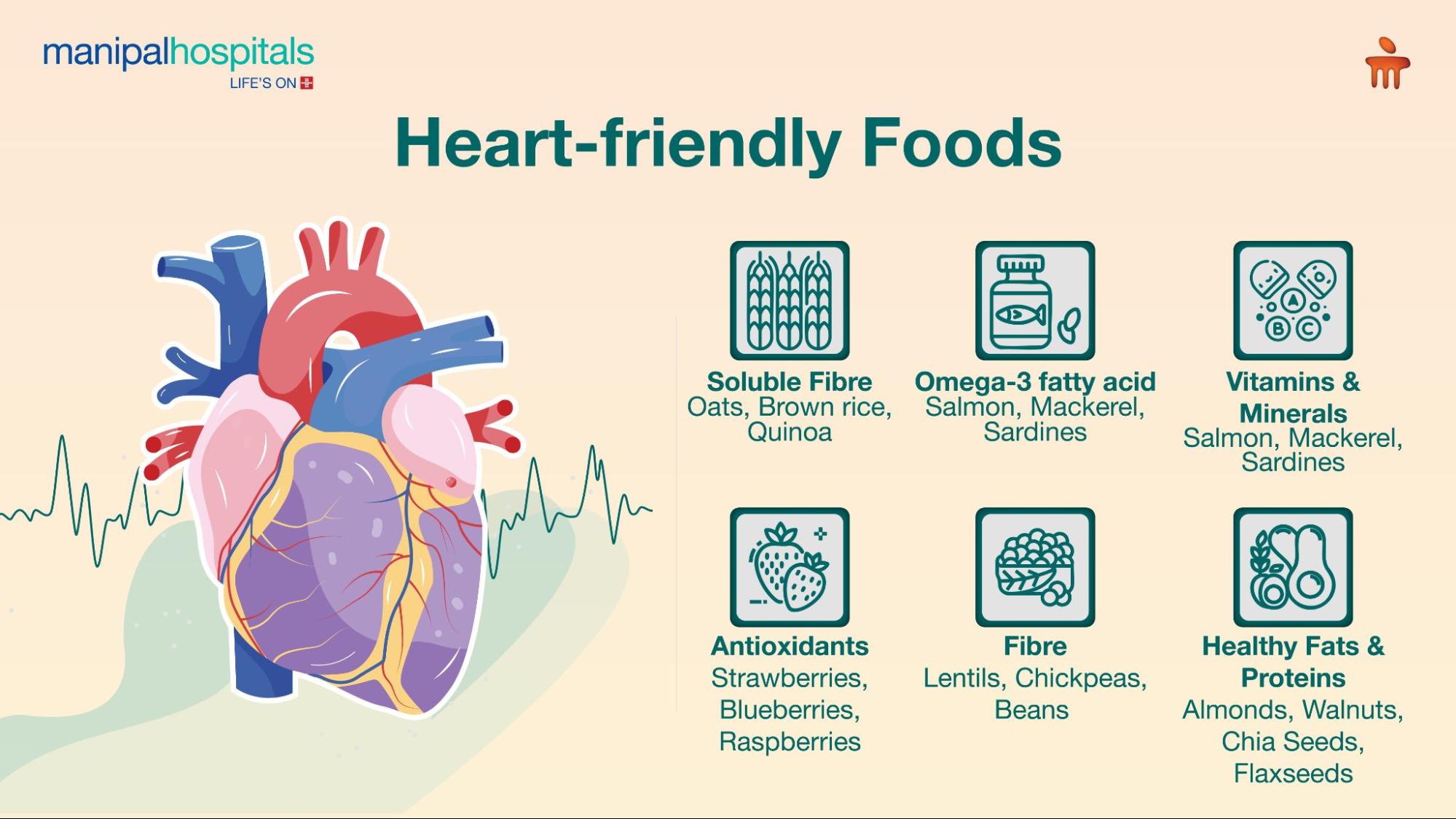
Top foods for a healthy heart
Incorporating these delicious and nutritious foods into your daily diet can significantly support a strong cardiovascular system:
-
Whole Grains (Oats, Brown Rice, Quinoa) - These are rich in soluble fibre and help lower LDL cholesterol by up to 11%. Make them a daily staple to build a protective shield for your heart.
-
Fatty Fish (Salmon, Mackerel, Sardines) - These fish are packed with Omega-3 fatty acids, which help in reducing inflammation and triglycerides. Regular consumption lowers risks of heart rhythm disorders and arterial plaque buildup.
-
Leafy Green Vegetables (Spinach, Kale, Collard Greens) - These greens offer vitamins, minerals, antioxidants, and Vitamin K, which protect arteries. Their nitrate content also helps lower blood pressure, boosting vascular health.
-
Berries (Strawberries, Blueberries, Raspberries) - These berries, being rich in anthocyanin antioxidants, combat oxidative stress and inflammation. Regular intake improves cholesterol levels and blood vessel function.
-
Nuts and Seeds (Almonds, Walnuts, Chia Seeds, Flaxseeds) - They provide healthy fats, fibre, and protein. Walnuts, with ALA Omega-3s, are significantly beneficial for heart health. A daily handful of these nuts and seeds aids in lowering cholesterol and reducing inflammation.
-
Legumes (Lentils, Chickpeas, Beans) - Legumes are excellent plant-based protein sources and rich in fibre. They stabilise blood sugar and significantly lower LDL cholesterol, making a noticeable difference in heart health.
-
Olive Oil - Extra virgin olive oil, a Mediterranean diet staple, is rich in monounsaturated fats and antioxidants. It reduces blood pressure and inflammation and makes a superior choice for cooking and dressings.
Foods to avoid for a healthy heart
To maintain optimal cardiovascular health, it is crucial to avoid certain foods that can increase cholesterol levels, raise blood pressure, and contribute to heart disease if consumed frequently. These can be listed as:
-
Processed and packaged foods high in salt and preservatives
-
Foods containing trans fats such as packaged snacks, baked goods, and fried fast foods
-
Excessive red and processed meats like sausages, bacon, and salami
-
Sugary beverages and desserts with high added sugar content
-
Deep-fried foods and fast foods high in unhealthy fats
-
Refined carbohydrates such as white bread, pastries, and sugary cereals
-
Excessive salt or sodium-rich foods like pickles, chips, and instant noodles
-
Excessive alcohol consumption
How to keep your heart healthy
Beyond consuming a heart-healthy diet, adopting heart-friendly habits can significantly enhance your cardiovascular well-being and help you make healthier choices part of your daily routine. Here are 10 ways to keep your heart healthy:
-
Eat a balanced diet- Prioritise whole foods such as fruits, vegetables, whole grains, lean proteins, and healthy fats, and ensure adequate hydration throughout the day.
-
Exercise regularly- Engage in at least 30 minutes of moderate physical activity to strengthen the heart. This can include walking, cycling, or swimming.
-
Manage stress effectively- Practise relaxation techniques like meditation, deep breathing, or yoga to reduce stress, which can have a negative impact on heart health over time.
-
Limit processed and unhealthy foods- Reduce intake of highly processed foods, excessive red meat, trans fats, added sugars, and high-sodium foods.
-
Quit smoking and limit alcohol- Smoking can significantly increase heart disease risk, while excessive alcohol can raise blood pressure and harm cardiovascular health.
-
Maintain a healthy weight- Keeping your body weight within a healthy range and maintaining a decent BMI can help lower the risk of high blood pressure, diabetes, and heart disease.
-
Monitor blood pressure- Regularly checking blood pressure helps detect early changes and prevents long-term damage to the heart and blood vessels.
-
Manage cholesterol levels- Keep cholesterol levels under control through diet, exercise, and medical guidance (if required). Check your lipids at regular intervals.
-
Get enough sleep- Aim for 7–8 hours of quality sleep each night, as poor sleep is linked to higher risks of heart disease.
-
Schedule regular health check-ups- Routine screenings can help detect potential cardiovascular problems early and ensure timely treatment and prevention.
Understanding your heart health
The human heart has its own language to communicate. Healthy heart symptoms such as sustained energy levels, stable blood pressure, good circulation, and strong physical stamina often indicate that the heart is functioning efficiently. These signs usually reflect a well-maintained cardiovascular system supported by healthy lifestyle habits.
However, the heart also sends clear signals when something may be wrong. Recognising these warning signs early is essential for timely medical evaluation and treatment. Symptoms such as persistent fatigue, unexplained shortness of breath, chest discomfort, dizziness, or swelling in the legs and ankles should never be ignored, as they may indicate an underlying heart condition that requires prompt attention.
Conclusion
Embracing a heart-healthy diet is a valuable investment in your long-term health and vitality. Choosing nutrient-rich foods and maintaining balanced eating habits can help regulate cholesterol, support healthy blood pressure, and reduce the risk of cardiovascular disease. If you have concerns about your heart health or experience any concerning symptoms, consult a cardiac specialist at Manipal Hospitals EM Bypass for an accurate diagnosis, comprehensive care and expert guidance. At Manipal Hospitals, we are committed to empowering you with the knowledge and support needed for a healthier, stronger heart.
FAQ's
Most health guidelines recommend limiting sodium intake to about 2,000–2,300 mg per day. Reducing salt consumption can help control blood pressure and lower the risk of heart disease, especially for individuals with hypertension.
Not all fats are harmful. Healthy fats found in nuts, seeds, avocados, and fatty fish can support heart health. However, saturated fats and trans fats found in fried foods and processed snacks should be limited.
Occasional treats are generally acceptable when balanced with a healthy overall diet and active lifestyle. Consistency in making nutritious food choices most of the time is what contributes to long-term heart health.
Individuals with heart disease often benefit from personalised dietary plans designed by healthcare professionals or nutritionists. These plans focus on controlling sodium, fats, and calories while ensuring adequate nutrition for recovery and long-term heart health.
Yes, maintaining a balanced diet rich in whole foods and low in unhealthy fats, salt, and added sugars can significantly reduce the risk of heart disease by improving cholesterol levels, blood pressure, and overall metabolic health.
Share this article on: