6 Min Read
‘Cardiac Tamponade’ is a critical medical emergency caused by excessive fluid accumulation in the pericardial sac (the protective membrane surrounding the heart). This fluid buildup exerts pressure on the heart and prevents its chambers from filling properly with blood. If not treated urgently, cardiac tamponade can lead to a drastic drop in blood pressure, shock, and can be fatal. Understanding this condition is crucial for prompt diagnosis and effective treatment, which can significantly improve patient outcomes. This blog provides all the information you need.
What is Cardiac Tamponade?
The heart is situated within a double-layered sac called the pericardium, which contains a small amount of fluid for lubrication. Cardiac tamponade occurs when there is an abnormal and often rapid accumulation of fluid (blood, pus, or other effusions) within this sac that starts compressing the heart. This external pressure reduces the heart's ability to relax and fill with blood, leading to reduced blood being pumped out to the body. For medical professionals, this underscores the importance of an in-depth understanding of ‘what is cardiac tamponade?’
Cardiac tamponade symptoms
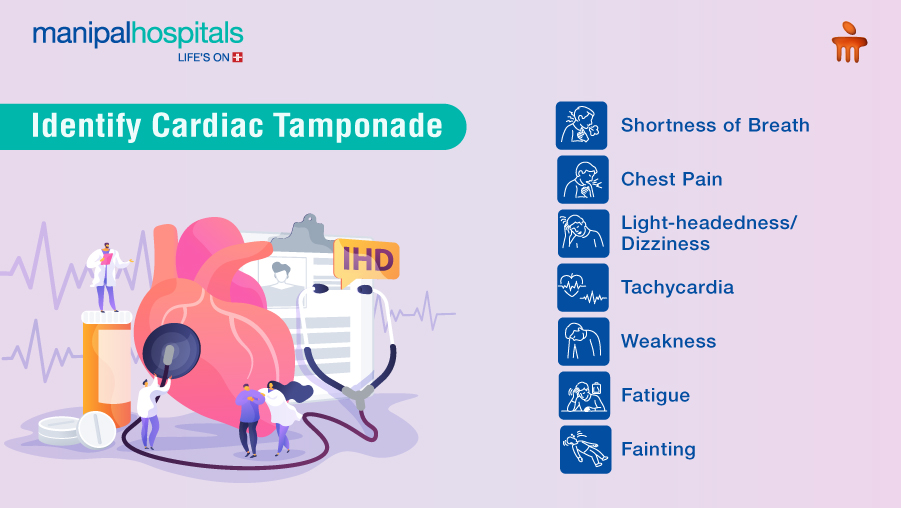
Cardiac tamponade symptoms often develop rapidly and recognising them is crucial for seeking urgent medical care. A classic finding, though not always present, is ‘Beck's Triad’. This is characterised by the presence of low blood pressure, distended neck veins, and muffled heart sounds. Other symptoms include:
-
Shortness of breath (Dyspnoea)- Often severe, worsening with activity or lying down
-
Chest pain- Sharp pain in chest that is potentially relieved by leaning forward
-
Light-headedness or dizziness- Due to reduced blood flow to the brain
-
Rapid heart rate (Tachycardia)- The heart attempts to compensate for reduced output
-
Weakness and fatigue- General malaise from decreased oxygen delivery
-
Fainting (Syncope)- Loss of consciousness, in severe cases
Cardiac tamponade causes
Cardiac tamponade can stem from various underlying conditions that lead to fluid accumulation in the pericardial sac. Cardiac tamponade causes can be acute or chronic. These may include:
-
Trauma- Injuries to the chest (like stab wounds or blunt force) that may cause bleeding into the pericardial space
-
Cancer- Malignancies, like lung cancer, breast cancer, or lymphomas that spread to the pericardium
-
Infections- Viral, bacterial, or fungal infections that lead to pericarditis and fluid buildup
-
Medical procedures- Complications from cardiac surgery, pacemaker insertion, or central venous catheter placement
-
Heart attack (Myocardial Infarction)- Rarely, a heart wall rupture can lead to bleeding
-
Kidney failure (Uremia)- This can cause uremic pericarditis
-
Autoimmune diseases- This includes conditions like lupus or rheumatoid arthritis
-
Radiation therapy- Damage to the pericardium from chest radiation
Cardiac tamponade treatment
Cardiac tamponade treatment is an emergency that focuses on relieving pressure on the heart. The primary goal is to drain excess fluid from the pericardial sac. Treatment essentially involves:
Emergency procedures
-
Pericardiocentesis- The most common immediate treatment, where a needle is inserted through the chest wall to drain the fluid. The needle is often guided by ultrasound. This procedure has a high success rate in relieving symptoms.
-
Pericardial window- For recurrent tamponade, a small surgical opening is made in the pericardium that allows fluid to drain into the chest cavity.
Subsequent management
After immediate relief is provided, addressing the underlying cause becomes crucial for preventing recurrence. This may involve medications (anti-inflammatory drugs, antibiotics, cancer treatments, etc.) or management of chronic conditions like kidney disease or autoimmune disorders. Early intervention can significantly improve patient recovery with long-term outcomes.
Care guidelines
While cardiac tamponade calls for immediate medical attention, following a few care advices can largely aid the recovery process:
-
Seek immediate medical attention for sudden chest pain, breathlessness, or fainting.
-
Adhere to your treatment plan by following all medical instructions and follow-up appointments.
-
Work with your healthcare team to manage any underlying conditions and control chronic illnesses.
-
Do not ignore any symptoms or dismiss severe cardiac-related signs.
-
Avoid unprescribed treatments or self-medication for cardiac symptoms.
-
Time is critical in cardiac emergencies; do not delay emergency care.
Conclusion
Cardiac tamponade is a serious and potentially life-threatening condition that requires immediate medical attention. Early diagnosis and prompt treatment are crucial to prevent complications and protect heart function. If you or someone in your family experiences symptoms such as severe chest discomfort, breathlessness, or sudden weakness, it's crucial to seek urgent medical care and consult a specialist without delay. Consult our team of experienced cardiologists at Manipal Hospitals Dhakuria for prompt diagnosis and advanced treatment options. Manipal Hospitals is equipped with state-of-the-art diagnostic tools and treatment options to provide the best possible care for complex cardiac conditions.
FAQ's
If left untreated, cardiac tamponade can quickly become life-threatening because the pressure around the heart severely restricts its ability to pump blood effectively. However, with early diagnosis and prompt medical treatment, most patients recover well and the prognosis can be very favourable.
Pericardial effusion is any abnormal fluid accumulation in the pericardial sac. Cardiac tamponade is a severe effusion where the fluid's volume or rapid accumulation significantly impairs heart function, making it an emergency.
Doctors diagnose cardiac tamponade using imaging tests such as Echocardiography, chest imaging, and clinical examination. These tests help detect fluid around the heart and evaluate how it is affecting the heart’s ability to pump blood.
Prevention depends on managing underlying conditions such as infections, trauma, or heart inflammation. Regular medical check-ups and early treatment of heart-related problems can help reduce the risk of developing cardiac tamponade.
Yes, recurrence is possible, particularly if the underlying condition causing fluid buildup is not treated on time. Regular follow-ups and imaging tests help doctors monitor heart health and prevent future episodes.
Share this article on:


--Mental-Health--The-Hidden-Connection.webp "Chronic kidney disease impact on mental well being")