Advanced ENT Care

at Manipal Hospital Yeshwanthpur

Expert Management of Ear,
Nose & Throat Disorders

Expert Management of Ear, Nose & Throat Disorders

Endoscopic & Laser ENT Procedures
Comprehensive Hearing & Voice Care

Advanced
ENT Care

at Manipal Hospital Yeshwanthpur

Expert Management of Ear,
Nose & Throat Disorders

Expert Management of Ear, Nose & Throat Disorders

Endoscopic & Laser ENT Procedures
Comprehensive Hearing & Voice Care

Book Appointment

Ear, Nose, and Throat (ENT)

At Manipal Hospital Yeshwanthpur, our ENT unit treats ear, nose, and throat conditions with clinical precision and a patient-centred approach. We combine advanced diagnostics, endoscopic techniques, and microsurgery to manage both routine problems and complex disorders.

With a multidisciplinary team of top experienced ENT surgeons in Yeshwanthpur, Bangalore, supported by audiologists, speech therapists, and paediatric specialists who plan care together so you receive a clear pathway from assessment to recovery.

Whether you are seeking a solution for an acute problem or long-term rehabilitation for hearing and voice, our service aims to restore function, minimise discomfort, and help you return to daily life quickly.

As a leading ENT Hospital in Yeshwanthpur, we focus on safety, clear communication, and modern procedures that reduce hospital stay and speed rehabilitation.
Why Choose Us?

Choosing care is personal. Here are practical reasons patients trust our ENT service:

Experienced multidisciplinary team: Senior ENT surgeons, paediatric ENT specialists, audiologists, and speech therapists work together to design your care.
Modern diagnostics and targeted treatment: High-resolution endoscopy, calibrated audiometry, and imaging give precise information that guides less invasive options.
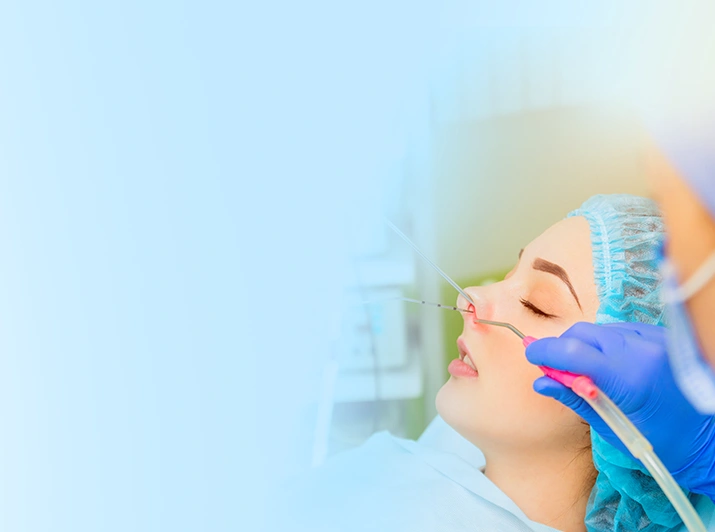
Minimally invasive expertise: We offer endoscopic and microscopic approaches that reduce pain and shorten recovery with excellent outcomes.
Child-friendly pathways: Paediatric assessment rooms and anaesthesia teams experienced with children make procedures safe and reassuring for families.
Clear recovery and rehabilitation plans: You receive structured follow-up, including hearing rehabilitation, voice therapy, and scar care where applicable.
8
+
Million Patients Annually
49
hospitals
11000
+
doctors
12600
Licensed beds
24
serving cities
34000
+
Employee strength

Treatments and Procedures

Adenotonsillectomy
Cochlear implants & BAHA for hearing disabilities
CSF Leak Repair
Endoscopic Micro Ear Surgeries
Endoscopic Nasal & Sinus Surgeries
ENT Emergencies
Facial Nerve Surgeries for Paralysis
Mastoidectomy
Microlaryngeal Surgeries
Middle Ear Surgeries
Functional Endoscopic Sinus Surgeries (FESS)
General Ear, Nose, and Throat Problems
Nasal Allergy Management
Paediatric Tonsil and Adenoid Surgeries
Revision Sinus Surgeries
Septo-Rhinoplasty
Snoring Surgeries
Revision Ear Surgeries
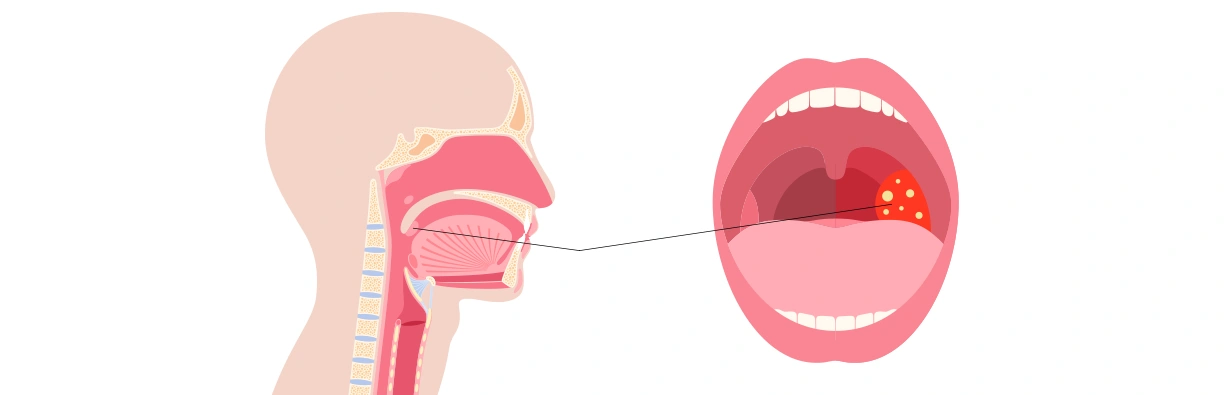
Adenotonsillectomy remains a standard and effective procedure for children and adults with obstructive symptoms or recurrent infection. At our centre, we assess the need through clinical history, sleep and breathing evaluation, and, where necessary, sleep studies to quantify obstruction.

For children with snoring, sleep disordered breathing, or repeated throat infections, removal of tonsils and adenoids can markedly improve sleep quality, behaviour, and daytime energy. Surgery is performed under general anaesthesia with meticulous haemostasis to reduce the risk of postoperative bleeding. Pain control is central to recovery, and we use multimodal analgesia tailored to age and comorbidities so children can return to normal eating and activity more quickly.

For adults with large tonsils causing airway problems or chronic tonsillitis, we individualise the approach and discuss options including partial tonsillectomy where appropriate. Postoperative care includes clear instructions on hydration, analgesia, and signs of bleeding, and early follow-up to ensure complete recovery. Families appreciate straightforward pathways and child-friendly nursing that help make the hospital experience less stressful.

Key benefits:
● Improves sleep and breathing in obstructive cases.
● Reduces the frequency of throat infections.
● Rapid symptom relief with structured pain control.
● Short hospital stay and quick return to normal activity.
● Clear postoperative guidance reduces complications.

Want to meet a Doctor for checkup?

Facilities & Services

Our ENT department at Manipal Hospital Yeshwanthpur provides the infrastructure and allied services essential for modern ENT care:

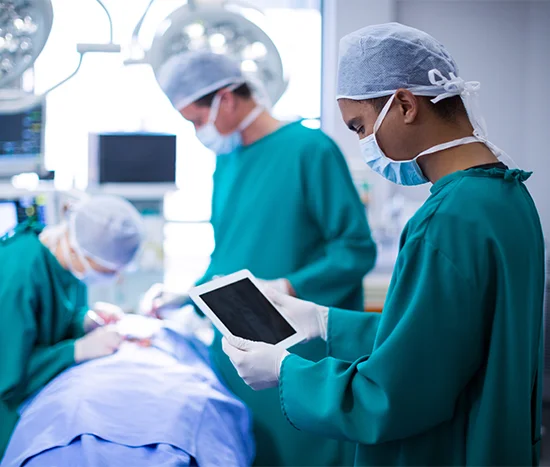
Endoscopic and microscopic operating theatres

Comprehensive audiology suite

Advanced imaging access

Paediatric ENT support

Emergency ENT services

Rehabilitation and allied care

FAQ's

You should consult an ENT specialist if you have recurrent ear infections despite treatment, experience ongoing loss of hearing, have ongoing drainage from the ear, or want assistance in helping your child build age-appropriate speech and language skills. An ENT doctor can aid in preventing future occurrences of long-term hearing loss and evaluate if surgery (such as grommet insertion, tympanoplasty, or mastoid surgery) will be necessary.

Endoscopic sinus surgery may cause moderate pain; however, this is easily managed with appropriate analgesic medications and saline nasal rinses. Most patients return to light activity in a few days after endoscopic sinus surgery, and full activity in two to four weeks. Many individuals will notice an improvement in their sinus symptoms shortly after the surgery.

Individuals with severe hearing loss may not have enough usable speech perception to benefit from hearing aids; therefore, cochlear implants can provide them with access to hearing via the auditory nerve instead of by way of damaged hair cells. Cochlear implants require surgical placement and a programming process to find the appropriate stimulation settings; they have the potential to improve communication and a person’s overall quality of life.

Complications may occur with a CSF leak repair, which include a persistent CSF leak, infections, and/or the need for repeat surgeries. However, advancements in minimally invasive surgical techniques and the expertise of endoscopic skull base surgeons have made CSF leak repairs very successful, and this has decreased the incidence of developing meningitis due to CSF leaks. After a CSF leak repair, close monitoring is necessary.

Surgery is considered based on cause, timing, and residual nerve function. Early repair suits transection injuries, while delayed cases may need reanimation procedures. A detailed assessment, including electromyography, guides timing and the best reconstructive option for functional recovery.