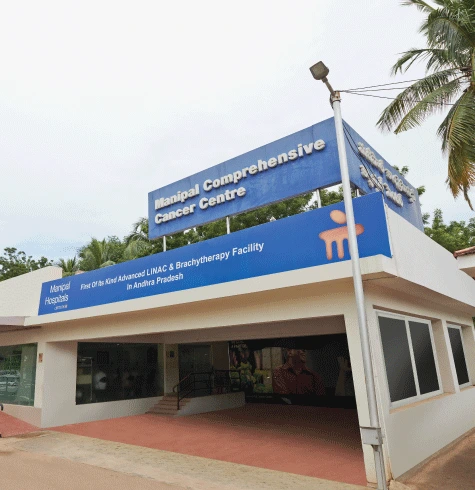
Our Centre of Excellence in Oncology practises a holistic approach in treating the entire spectrum of cancers at all the stages. The department has complete spectrum of Specialties in Oncology including Surgical, Medical (Chemotherapy, Immunotherapy, and Hormone Therapy), Radiation Therapy, Hematology . Our team of experts are extremely adept at diagnosing the most challenging cases, staging the disease, treating with medications, radiotherapy or operating with the advanced technology that Manipal Hospitals is equipped with, to combat cancers across all ages including children. Quaternary care is at the core of our healing ethos and our specialised experts are aces in this discipline.
At Manipal Hospitals, we have a dedicated Tumour Board discussion for patients. Each patient is unique and teaches us myriad aspects of cancer treatment. Each case presented to the board is studied in detail, and the best possible treatment approach is suggested. Evidence-based, internationally approved chemotherapy guidelines are followed for the treatment of various solid and hematological cancers.

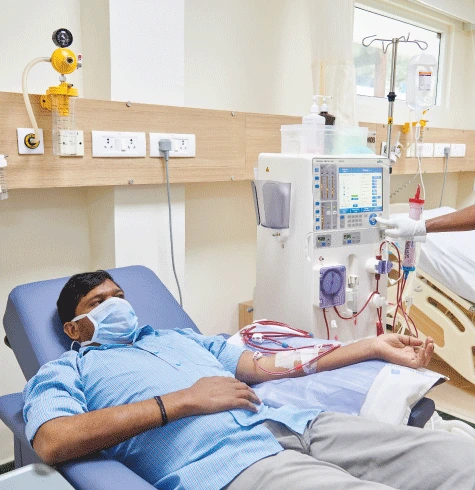
Chemotherapy for malignant solid tumours and malignant blood diseases Chemotherapy has been the accepted therapeutic paradigm for the treatment of advanced cancers. This mode of treatment involves the use of systemic chemotherapy drugs which target specific areas where cancer cells grow. What are the solutions for chemotherapy Chemotherapy can be administered in various ways such as oral in the form of pills or liquids, intravenous (IV) where the drug goes directly into a vein, injection, intrathecal.
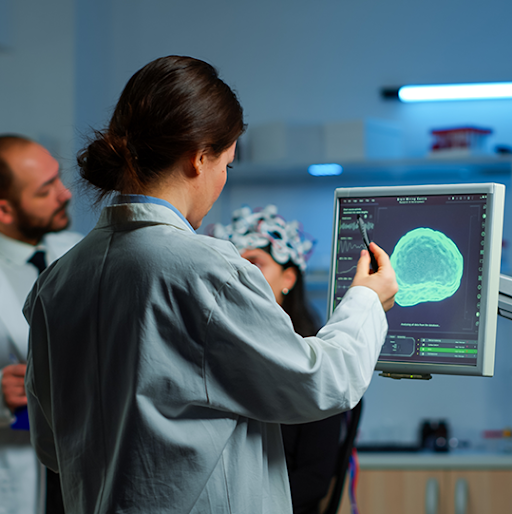
Biological therapy This therapy of cancer treatment uses the body's immune system to kill cancer cells. Biological therapy for cancer is used in the treatment of many types of cancer to prevent or slow tumor growth and to prevent the spread of cancer.

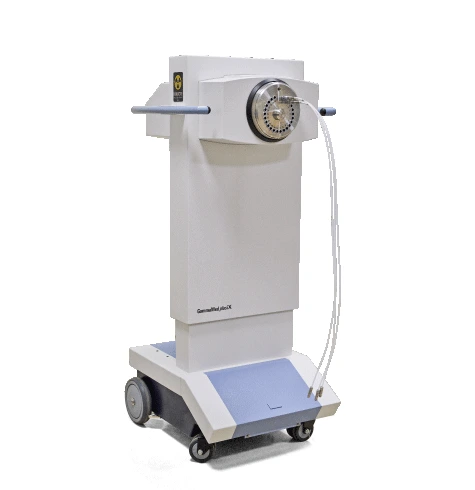
Intra Cavitary Chemotherapy Intracavitary chemotherapy involves the injecting of chemotherapy through a tube (catheter), directly into a body cavity. It gives a very high dose of chemotherapy to the tumour, but only a very low dose to the rest of the body. Intracavitary chemotherapy can be injected into the bladder – intravesical, the abdominal cavity – intra peritoneal, or the chest cavity – intrapleural.

Day care and domiciliary chemotherapy Day care chemotherapy is extended to those patients who have been advised short therapies or cancer procedures that do not require a night stay in hospital. Domiciliary chemotherapy involves making chemotherapy services available to cancer patients in their homes. This is mostly for the elderly who cannot reach the hospital for chemotherapy sessions.

Bone Marrow Transplant for benign and malignant diseases Bone marrow transplant is a procedure where a person's faulty Bone marrow transplants are done to treat patients suffering from leukemia, and severe blood diseases such as thalassemias, aplastic anemia, as well as multiple myeloma and certain immune deficiency diseases.
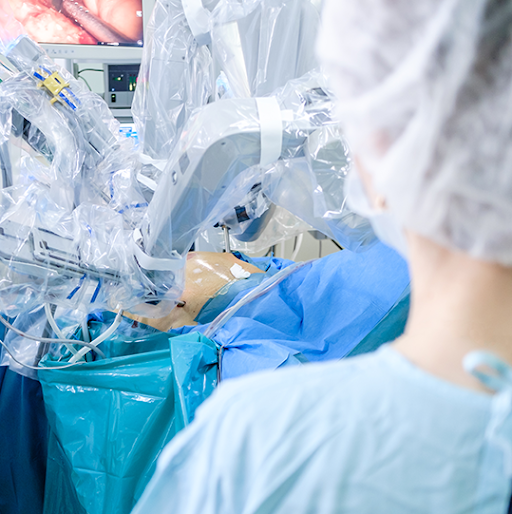
Robotic assisted cancer surgery In order to reach inaccessible tumours, shorten surgery time or to reduce side effects, onco surgeons prescribe the innovative robotic surgery. Solutions for robot assisted cancer surgery Our robotic surgeons are empowered precision, 3-dimentional view, with massive magnification and advanced intuitive ergonomics, endo-wrist movements and surgeon sits at ease on chair and operates relaxed, and miniaturization- smaller incisions, decreased blood loss, less pain, reduced duration of hospital stays, and quicker healing time.
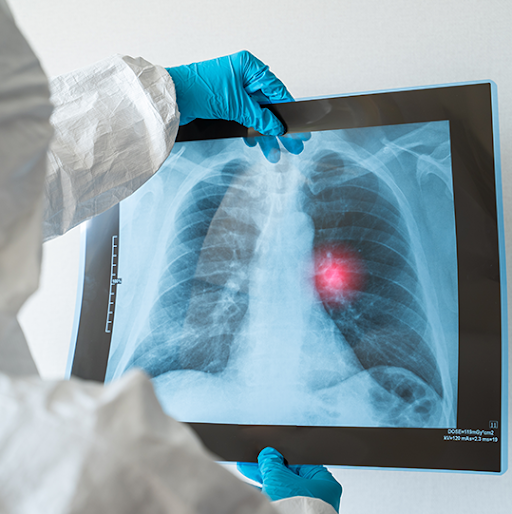
Lung cancer is a type of cancer that begins in the lungs. Your lungs are two spongy organs in your chest that take in oxygen when you inhale and release carbon dioxide when you exhale. People who smoke have the greatest risk of lung cancer, though lung cancer can also occur in people who have never smoked. The risk of lung cancer increases with the length of time and number of cigarettes you've smoked. If you quit smoking, even after smoking for many years, you can significantly reduce your chances of developing lung cancer.
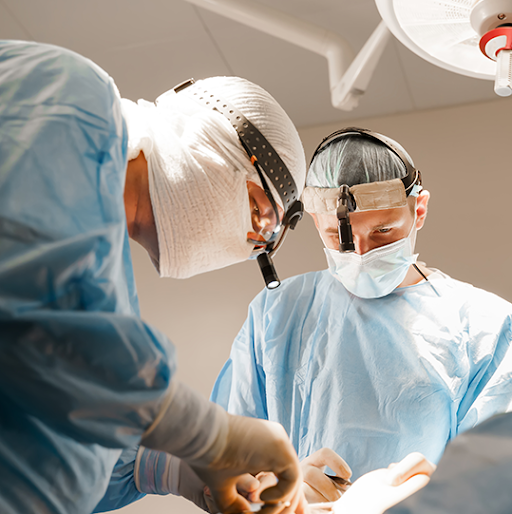
Peripherally inserted central catheter insertion (PICC), bone marrow aspiration and biopsy. A PICC is a thin, flexible tube that is inserted into a vein in the upper arm and guided into a large vein above the right side of the heart called the superior vena cava. It is used to give intravenous fluids, blood transfusions, chemotherapy, and other drugs. Bone marrow aspiration is the removal of a small amount of this tissue in liquid form for examination.

Breast cancer is a prevalent malignancy affecting breast tissue, mainly in women, but also in some men. It originates when abnormal cells in the breast grow uncontrollably, forming a tumor. Early stages may exhibit no symptoms, but as cancer advances, symptoms like a lump, changes in breast shape, skin dimpling, or nipple discharge may arise. Mammograms aid in detection. Treatment involves surgery, chemotherapy, radiation, hormone therapy, or targeted therapy. Early detection significantly improves survival rates.
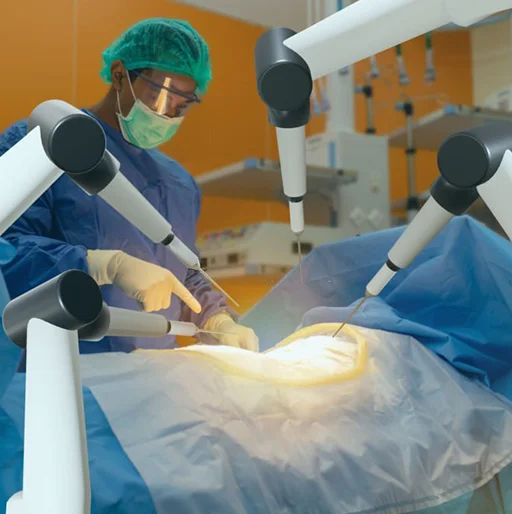
Robotic oncology surgery is a cutting-edge approach that merges robotic technology with cancer treatment. Skilled surgeons control a robotic system with precision instruments and a camera from a console, allowing for highly precise and minimally invasive procedures. This technique is commonly used in various oncological surgeries, such as prostatectomy, hysterectomy, lung resection, and colorectal resection. The benefits of robotic oncology surgery include smaller incisions, reduced blood loss, shorter hospital stays, faster recovery, and improved surgical outcomes. The enhanced visualization and dexterity provided by robotic technology enable surgeons to remove tumors with greater accuracy, sparing healthy tissues and reducing post-operative complications. Robotic oncology surgery represents a significant advancement in cancer care, providing patients with better treatment options and improved quality of life.
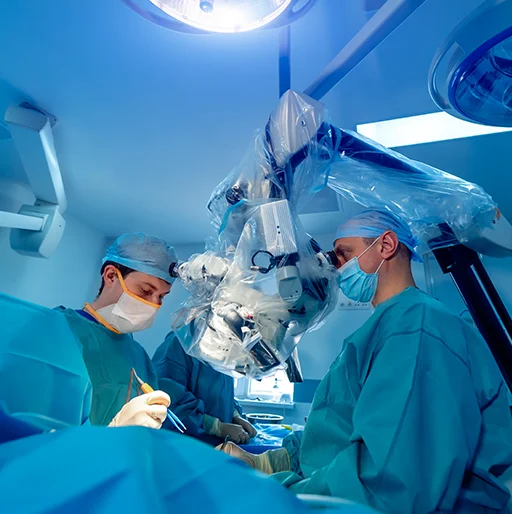
Robotic thoracic surgery is an advanced medical technique that combines robotic technology with thoracic surgery to treat conditions affecting the chest and organs within it. Surgeons control a robotic system with multiple arms and specialized instruments from a console, allowing for precise and minimally invasive procedures. Common robotic thoracic surgeries include lung resection, lobectomy, thymectomy, and esophageal surgery. The robotic approach offers benefits such as smaller incisions, reduced blood loss, less pain, shorter hospital stays, and faster recovery times. The high-definition camera provides enhanced visualization, enabling surgeons to perform intricate maneuvers with improved dexterity and accuracy. Robotic thoracic surgery represents a significant advancement in thoracic care, improving patient outcomes and overall quality of life for individuals undergoing these complex procedures.



FAQ's
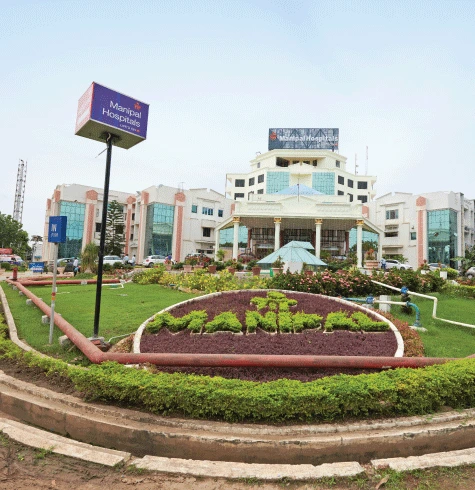
Manipal Hospital Vijayawada's unwavering commitment to excellence shines through our dedicated Tumour Board. Personalized treatments, guided by global standards, have transformed lives. Advanced diagnostics and a spectrum of oncology services ensure accurate care.
Address:
Manipal Hospital ,
Vijayawada #12-570 near,
vardhi By-Pass Road
Tadepalli,
Guntur District, Andhra,
Pradesh Tadepalli, Andhra
Pradesh 522501
Email: info@manipalhospitals.com
Accreditations

Doctor Enquiry: 9643904390
Address:
Manipal Hospital ,
Vijayawada #12-570 near,
vardhi By-Pass Road
Tadepalli,
Guntur District, Andhra,
Pradesh Tadepalli, Andhra
Pradesh 522501
Email: info@manipalhospitals.com
Accreditations