+919513631594
Lorem ipsum dolor sit amet, consectetur adipiscing elit, sed do eiusmod tempor incididunt ut
+919513631594
Lorem ipsum dolor sit amet, consectetur adipiscing elit, sed do eiusmod tempor incididunt ut
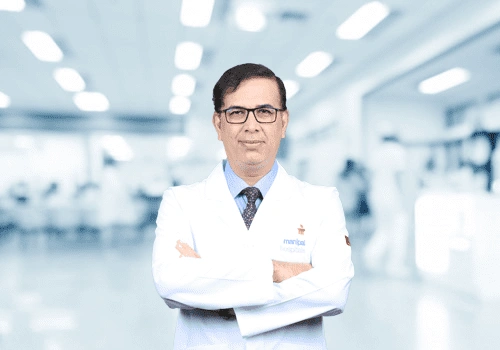
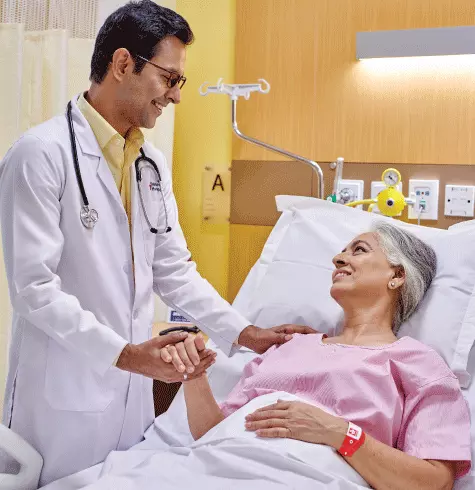
To tackle various disorders pertaining to the nervous system, the Department of Neurological Disorders at Manipal Hospitals offers comprehensive services in Neurology. The Department was set up right at the inception of Manipal Hospital Patiala; it has been amongst the first in the country to offer the latest technologies in the field of neuroscience. Not just technology but it also has a team of world renowned neurologists and neurosurgeons, many of whom are faculty members with extensive experience in teaching and research to its credit. Disorders of the nervous system such as dementia, epilepsy, movement disorders, chronic pains, sleep disorders, headaches, multiple sclerosis and various other neuro-muscular diseases are effectively handled here. Today, the department of Neurology at Manipal is regarded as one of the leading center’s in the country, an accomplishment that is possible mainly because of the acclaimed team of neurologists and neurosurgeons, the infrastructure of the hospital and the advanced diagnostic and therapeutic technologies that are available to them. This department is also present across most of the group hospitals of Manipal.
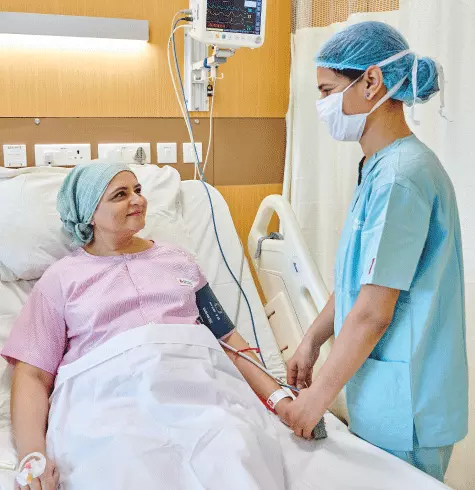
With over 30 years of experience in neuroscience, Manipal hospital is one of the best neurology hospitals in Patiala which offers the world’s best comprehensive care for patients with a wide spectrum of neurological problems. With highly advanced state-of-the-art facilities, a dedicated multidisciplinary team of doctors, surgeons, neurologists in Patiala, nurses, and technicians handling neurological emergencies round the clock, a dedicated neuro intensive care unit, stroke unit, advanced lab and diagnostics with sophisticated equipment, etc., we offer a complete diagnosis and management of simple to challenging neurological disorders. We offer a patient-centric and empathetic approach to treating all neurologic disorders ranging from a simple headache to complex cerebrovascular disorders using sophisticated equipment like 3-Tesla MRI (magnetic resonance imaging), PET-CT (Positron Emission Tomography and Computed Tomography) scans, and molecular diagnostics. Our highly skilled and experienced neurosurgeons use evidence-based treatment and a multidisciplinary approach in handling simple to the most complex surgeries like skull base surgery, microvascular surgery, cervical spinal surgery, minimally invasive spine surgery, etc. with high success rates. Manipal Hospital of Neurosciences is regarded as one of the best hospitals for brain stroke treatment in Patiala with a legacy of innovation and excellence. Manipal Hospital offers complete assessment and management for the entire spectrum of neurological problems
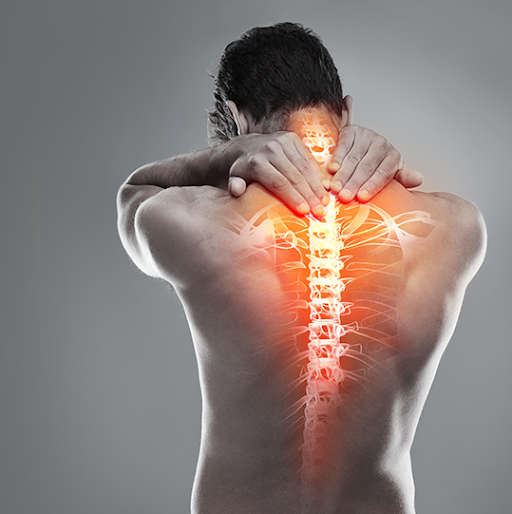
A spinal cord injury / damage to any part of the spinal cord or nerves at the end of the spinal canal — often causes permanent changes in strength, sensation and other body functions below the site of the injury. If you've recently injured your spinal cord, it might seem like every aspect of your life has been affected. You might feel the effects of your injury mentally, emotionally and socially.
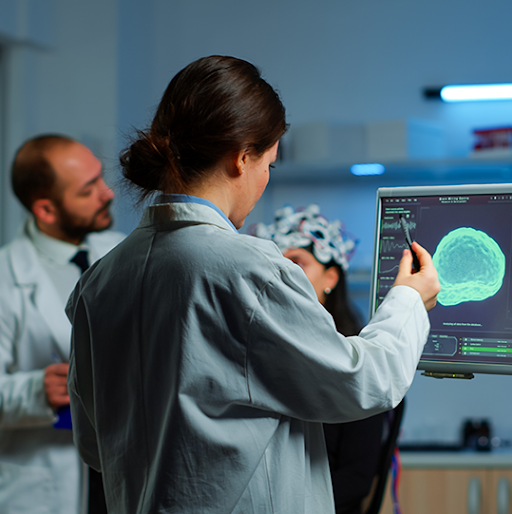
A brain tumor is a mass or growth of abnormal cells in your brain. Many different types of brain tumors exist. Some brain tumors are noncancerous, and some brain tumors are cancerous.
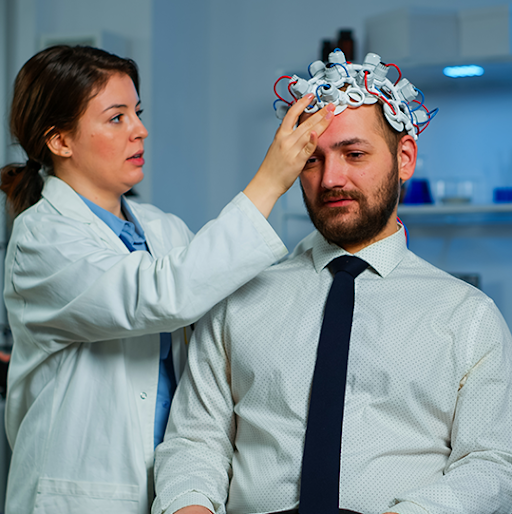
A stroke occurs when a blood vessel in the brain ruptures and bleeds, or when there’s a blockage in the blood supply to the brain. The rupture or blockage prevents blood and oxygen from reaching the brain’s tissues. Without oxygen, brain cells and tissue become damaged and begin to die within minutes
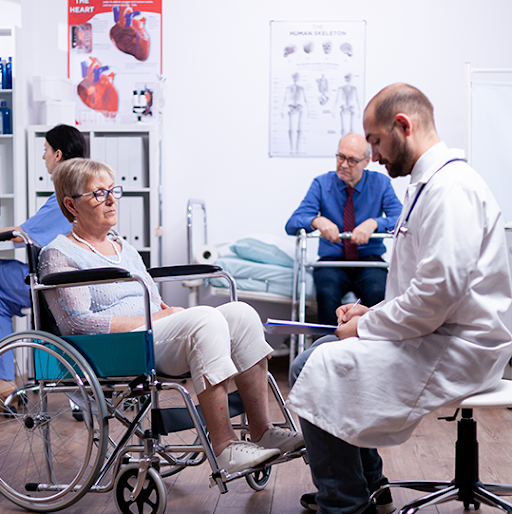
Parkinson’s disease is a condition where a part of your brain deteriorates, causing more severe symptoms over time. While this condition is best known for how it affects muscle control, balance and movement, it can also cause a wide range of other effects on your senses, thinking ability, mental health and more.
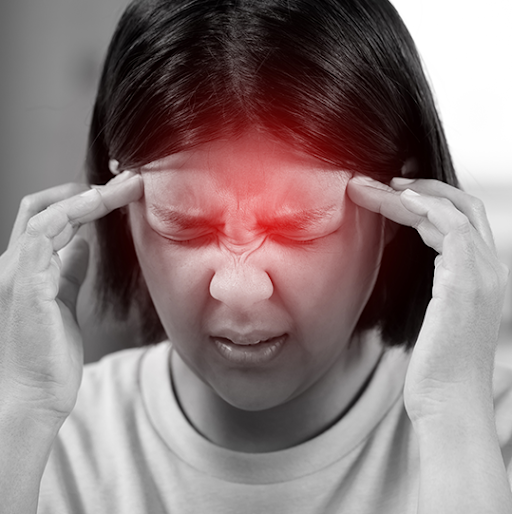
Migraine is a headache that can cause severe throbbing pain or a pulsing sensation, usually on one side of the head. It's often accompanied by nausea, vomiting, and extreme sensitivity to light and sound. Migraine attacks can last for hours to days, and the pain can be so severe that it interferes with your daily activities. For some people, a warning symptom known as an aura occurs before or with the headache. An aura can include visual disturbances, such as flashes of light or blind spots, or other disturbances, such as tingling on one side of the face or in an arm or leg and difficulty speaking.

FAQ's
Contact Us
Manipal Hospital,
Bhupindra Road, Near
22 No. Phatak,
Patiala,
Punjab 147001
Email: info@manipalhospitals.com
Accreditations



Doctor Enquiry: 9513631594
Contact Us
Manipal Hospital,
Bhupindra Road, Near
22 No. Phatak,
Patiala,
Punjab 147001
Email: info@manipalhospitals.com
Accreditations