



Book An Appointment
Why Choose Manipal?
Manipal Hospital Millers Road is a premier healthcare facility renowned for its excellence in urological care. Here are several reasons why it stands out:
Best Urology Hospital
in Bangalore
The Urology department at Manipal Hospital Millers Road provides excellent urological care that meets global standards. We address all urological system-related issues by providing an extensive range of urology diagnostic and therapy services. Whether our treatments are medicinal, surgical, or diagnostic, we ensure that cutting-edge advances in the field of urology underpin them. The highly skilled staff at the hospital works in conjunction with other specialised areas to provide incredibly sophisticated medical services. Individualised, all-inclusive treatment for urologic illnesses and disorders is our top priority at Manipal Hospital Millers Road. Visit one of the best urology hospitals in Bangalore today.
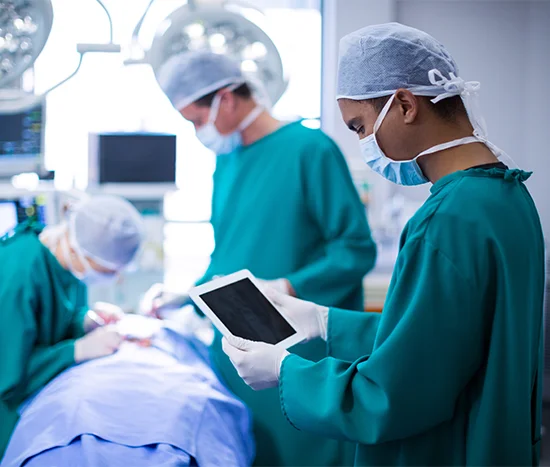
Treatments and Procedures

Urinary tract infections (UTIs) are bacterial infections, also called bladder
infections. It can occur
anywhere in the urinary system. UTIs are common, especially in women. More than half of
women will
have at least one UTI at some point in life. UTIs are serious and often painful.
However, most UTIs are
easy to treat with antibiotics.
A doctor will typically diagnose a urinary tract infection based on symptoms. The
prevalent signs of
these infections include frequent urination, pelvic pain, etc. For the purpose of
measuring the quantity
of bacteria, red cells, and white cells, your doctor might also assess a urine sample.
A physician may also culture the urine to identify the specific type of bacteria
triggering the infection.
The best doctor for urinary tract infection may recommend further testing:
● Diagnostic imaging: It involves ultrasound examination, CT and MRI scans, and
X-rays to assess
the urinary tract.
● Urodynamics: This examination gauges the urinary tract's ability to retain
and expel urine.
● Cystoscopy: A camera lens is inserted by passing a long, thin tube via the
urethra. It enables the
physician to examine the urethra and bladder interior. The procedure begins with
anaesthesia.
The first-line therapy for urinary tract infection treatment is antibiotics. The
patient's symptoms and
medical history will determine the kind of medication and time frame for treatments.
It's essential that
you finish the entire course of treatment to ensure that the illness is totally removed.
Facilities and Services
By embracing high-precision technologies, we provide our patients with the best healthcare experience. With our state-of-the-art facilities, we're at the forefront of providing the best urology services.

Accessibility to the latest diagnostic services

Specialised care for children's urinary tract problems

Availability of minimally invasive treatments like laparoscopy

Comprehensive care for kidney stones

Various surgical options for prostate issues

All-round preoperative evaluations

Management of urological cancers

Multidisciplinary approach for complex cases

Addressing concerns specific to the female urinary system
FAQ's
● Men with obesity, heart disease, and type 2 diabetes
● Lack of regular physical exercise
● Erectile dysfunction
● High-fat diet and poor nutrition
● Hormonal imbalances
● Excessive alcohol intake
● Smoking
● Chronic stress and anxiety
● Smoking: A major risk factor due to harmful chemicals in tobacco.
● Chemical Exposure: Long-term exposure to industrial chemicals used in dye, rubber, leather, and paint industries.
● Radiation Exposure: Prior radiation therapy, especially for other cancers.
● Chronic Bladder Inflammation: Long-term urinary infections or bladder stones.
● Parasitic Infections: Schistosomiasis, particularly in regions where this parasite is common.
● Family History: Genetic predisposition or family history of bladder cancer.
● Age and Gender: More common in older adults and males.
● Diet: High-fat diet and consumption of fried meats.
● Blood in urine
● Frequent urination
● Discomfort or burning sensation during urination
● Back or pelvic pain
● Unexplained weight loss
● Fatigue
● Swelling in legs
● Painful or burning sensation during urination.
● Frequent need to urinate.
● Increased urination during nighttime.
● Presence of blood in urine.
● Pain in the lower abdomen or back.
● Very low body temperature.