


Book An Appointment
Why Choose Manipal?
Our commitment to you is to bring together a team of world-class experts and state-of-the-art facilities and technology to provide the best cardiac services in Bangalore. Choose us for a comprehensive range of cardiac services like:
Best Heart Hospital
in
Bangalore
At Manipal Hospital Miller's Road, our expert Cardiologists, Cardiac Surgeons, Interventional Cardiologists, and Electrophysiologists utilize advanced technologies to perform life-saving cardiac procedures. Our experts offer specialised care for chronic and acute heart conditions, with 24/7 access to specialists and high-tech equipment for diagnosis and treatment. The dedicated Cardiac Rehabilitation Program provides comprehensive support after surgery, including specialist appointments, education, and exercise guidance.

Treatments and Procedures
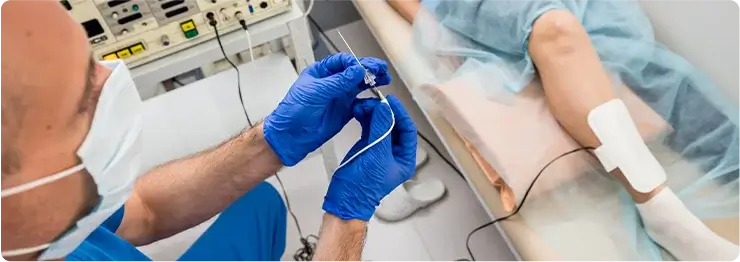
The heart requires a steady supply of blood, like other organs, which is provided via the coronary arteries. These arteries can become restricted and hardened in some persons, leading to coronary heart disease (CHD). When blood flow to the heart is impeded, it can produce acute chest pain (Angina). In severe cases of Angina where medicine is unsuccessful, a coronary angioplasty may be required to restore blood circulation to the heart. An angioplasty is done to open up blocked or constricted coronary arteries. This procedure involves inserting a wire through a catheter into the damaged coronary artery, delivering a tiny balloon. The balloon is inflated to expand the artery, squashing fatty deposits against the arterial wall so blood can flow freely when the balloon is released. This is a highly useful procedure that helps alleviate symptoms of blocked arteries like chest pain and shortness of breath. Angioplasty is also frequently conducted following a heart attack to unblock a blocked artery and prevent further heart damage swiftly.
Our Facilities
Manipal Hospital Miller's Road offers a wide range of facilities and services to ensure top-notch care for all patients.

24/7 Interventional Cardiology Service

Advanced Cardiovascular Diagnostic Services

Intensive Care Unit (ICU)

Cardiac Catheterization Lab

Cardiac Rehabilitation Program

Coronary Care Unit (CCU)

24-Hour Acute Chest Pain Service

Modern Amenities and Facilities
FAQ's
• Chest pain or discomfort at the centre of the chest
• Pain in the left arm and shoulder, neck, jaw, or back
• Sweating
• Feeling of weakness or dizziness
• Difficulty in breathing
• Rapid heartbeat
• Nausea or vomiting