
Request an Appointment
Our Clinical Team



Our Clinical Team

Our Clinical Team
Mukundapur - Kolkata
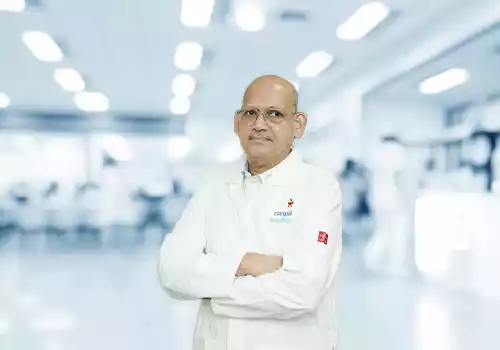
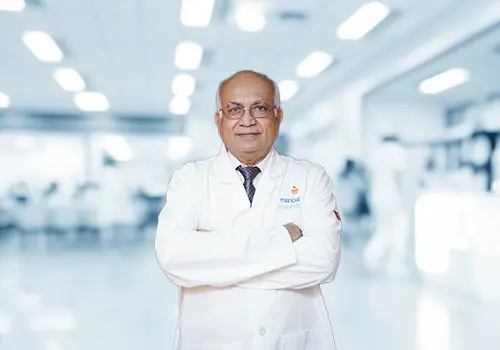
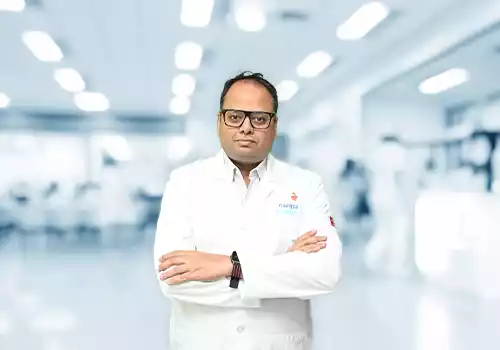
Dr. Prasanna Kumar Mishra
Senior Consultant Urologist and Transplant Surgeon
Call Us Book Appointment

Our Clinical Team

Our Clinical Team




Treatment and Procedures


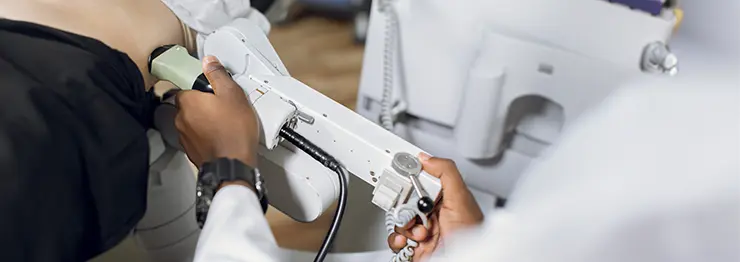
Doctors use lithotripsy, a non-invasive procedure, to treat large kidney stones that cannot pass through the urinary tract. A machine called a lithotripter generates ultrasonic energy or shock waves. X-rays focus these waves onto the kidney stone. The waves travel through skin and tissue, reaching and breaking the stone into smaller, passable fragments, allowing for natural elimination through the urinary system without surgical intervention. This technique helps patients avoid invasive stone removal procedures.
Treatment and Procedures
Treatment and Procedures
Treatment and Procedures
Treatment and Procedures
What Makes Us a Leader in Healthcare?
Top specialists. Advanced technology. Exceptional healthcare.

-
24 Serving Cities
-
11,000+ Doctors
-
12,600+ Beds
-
49 Hospitals
-
8+ Million Paitents Annually
Testimonials
- Kaushik Roy
- Rajesh Malhotra
Testimonials
- Rajiv Sen
- Kalyani Das
Testimonials
- Soumen Bhattacharya
- Rajesh Gupta
Testimonials
- S. Dutta
- Rabiul Alam
Testimonials
- Abhay Kumar
- Kumar Gauraw
- Kumar Gauraw
FAQs
We treat a wide range of urological conditions including kidney stones, urinary tract infections, prostate issues, bladder cancer, incontinence, and erectile dysfunction.
During your first visit to the urology department, you'll check in, provide medical history, undergo a physical examination, possibly give a urine sample, discuss your symptoms with the urologist, and receive recommendations for further tests or treatments.
Signs include frequent urination, blood in urine, pain while urinating, lower back pain, or difficulty starting urination.
Treatment depends on stone size and location. Options include medication, shock wave lithotripsy or ureteroscopy,
We use PSA tests, digital rectal exams, and biopsies for diagnosis. Treatment options include surgery, radiation therapy, and hormone therapy.
FAQs
We treat a wide range of urological conditions including kidney stones, urinary tract infections, prostate issues, bladder cancer, incontinence, and erectile dysfunction.
During your first visit to the urology department, you'll check in, provide medical history, undergo a physical examination, possibly give a urine sample, discuss your symptoms with the urologist, and receive recommendations for further tests or treatments.
Signs include frequent urination, blood in urine, pain while urinating, lower back pain, or difficulty starting urination.
Treatment depends on stone size and location. Options include medication, shock wave lithotripsy or ureteroscopy,
We use PSA tests, digital rectal exams, and biopsies for diagnosis. Treatment options include surgery, radiation therapy, and hormone therapy.
FAQs
We treat a wide range of urological conditions including kidney stones, urinary tract infections, prostate issues, bladder cancer, incontinence, and erectile dysfunction.
During your first visit to the urology department, you'll check in, provide medical history, undergo a physical examination, possibly give a urine sample, discuss your symptoms with the urologist, and receive recommendations for further tests or treatments.
Signs include frequent urination, blood in urine, pain while urinating, lower back pain, or difficulty starting urination.
Treatment depends on stone size and location. Options include medication, shock wave lithotripsy or ureteroscopy,
We use PSA tests, digital rectal exams, and biopsies for diagnosis. Treatment options include surgery, radiation therapy, and hormone therapy.
FAQs
We treat a wide range of urological conditions including kidney stones, urinary tract infections, prostate issues, bladder cancer, incontinence, and erectile dysfunction.
During your first visit to the urology department, you'll check in, provide medical history, undergo a physical examination, possibly give a urine sample, discuss your symptoms with the urologist, and receive recommendations for further tests or treatments.
Signs include frequent urination, blood in urine, pain while urinating, lower back pain, or difficulty starting urination.
Treatment depends on stone size and location. Options include medication, shock wave lithotripsy or ureteroscopy,
We use PSA tests, digital rectal exams, and biopsies for diagnosis. Treatment options include surgery, radiation therapy, and hormone therapy.
FAQs
We treat a wide range of urological conditions including kidney stones, urinary tract infections, prostate issues, bladder cancer, incontinence, and erectile dysfunction.
During your first visit to the urology department, you'll check in, provide medical history, undergo a physical examination, possibly give a urine sample, discuss your symptoms with the urologist, and receive recommendations for further tests or treatments.
Signs include frequent urination, blood in urine, pain while urinating, lower back pain, or difficulty starting urination.
Treatment depends on stone size and location. Options include medication, shock wave lithotripsy or ureteroscopy,
We use PSA tests, digital rectal exams, and biopsies for diagnosis. Treatment options include surgery, radiation therapy, and hormone therapy.