
Request an Appointment
Our Clinical Team

Our Clinical Team
Dhakuria - Kolkata

Dr. Suranjan Mukherjee
Senior Consultant - Respiratory Medicine / Pulmonology
Call Us Book Appointment
Dhakuria - Kolkata

Dr. Ayush Goel
Consultant - Interventional Pulmonologist
Call Us Book Appointment
Our Clinical Team
Mukundapur - Kolkata

Dr. Angshuman Mukherjee
Senior Consultant - Pulmonary Medicine
Call Us Book Appointment
Mukundapur - Kolkata

Dr. Mrinmoy Mitra
Senior Consultant Pulmonary Medicine Specialist
Call Us Book Appointment

Our Clinical Team


Our Clinical Team



Treatment and Procedures


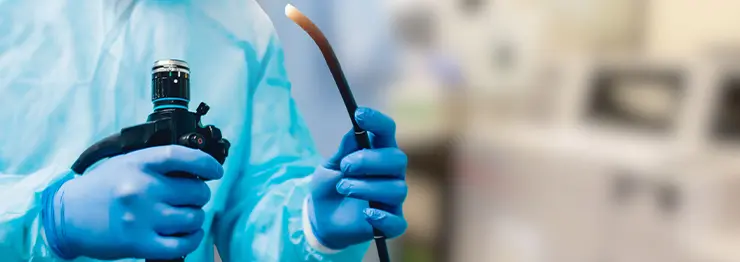
Bronchoscopy is a crucial diagnostic and therapeutic procedure used to examine the airways. During this procedure, a thin, flexible tube with a camera at its tip is inserted to visualise the airways inside the lungs. At Manipal Hospitals, our pulmonologists utilise state-of-the-art bronchoscopy techniques to diagnose conditions such as infections, tumours, and chronic cough. It can also be used to remove foreign objects or collect tissue samples (biopsy) for further testing. Manipal Hospitals, Kolkata, is equipped with advanced video bronchoscopes offering high-resolution magnified views of the airways, enabling precise diagnosis and treatment.
Treatment and Procedures
Treatment and Procedures
Treatment and Procedures
Treatment and Procedures
What Makes Us a Leader in Healthcare?
Top specialists. Advanced technology. Exceptional healthcare.

-
24 Serving Cities
-
11,000+ Doctors
-
12,600+ Beds
-
49 Hospitals
-
8+ Million Paitents Annually
Testimonials
- Anirban Sen
- Suparna Ghosh
Testimonials
- Arup Roy
- Swapna Chatterjee
Testimonials
- Arindam Ghosh
- Sudipto Das
Testimonials
- Umashankar Roy
- Sudeshna Chakraborty
Testimonials
- Amartya Chakraborti
- Arnab Bera
FAQs
There isn't a single test for all lung diseases. However, some common methods used for checking lung function and health include:
Spirometry
Chest X-ray
CT Scan
Pulse Oximetry
Blood tests
The best way to prevent serious lung diseases is to keep your lungs healthy by quitting smoking, avoiding exposure to second-hand smoke, exercising regularly, eating a healthy diet, getting vaccinated and checking the air quality.
The best test depends on the specific symptoms and suspected conditions, including:
Spirometry: For initial screening and general lung function.
CT Scan: An X-ray is recommended for abnormalities in the chest.
Bronchoscopy: A combination of tests used for diagnosing lung cancer.
Pulse oximetry: This test is recommended to measure blood oxygen levels.
COPD or Chronic Obstructive Pulmonary Disease can be life-threatening if left untreated. The severity of COPD varies widely, with some individuals experiencing mild symptoms and others facing severe breathing difficulties. Early diagnosis and proper management, including medication and pulmonary rehabilitation, can significantly improve the quality of life and reduce the risk of complications.
Some of the most common pulmonary conditions that can affect your lungs are respiratory illnesses including asthma, which causes wheezing and coughing, and chronic obstructive pulmonary disease (COPD), characterized by difficulty breathing and mucus production. Infections like pneumonia and lung cancer are some of the concerns.
For lung diagnosis and treatment, pulmonologists use minimally invasive procedures, such as bronchoscopy employing a camera-equipped tube to view airways, collect tissue samples, or remove foreign objects. Lung biopsies involve extracting a small tissue sample, guided by imaging, to diagnose diseases. Also, pleural fluid drainage uses a needle or catheter to remove excess fluid around the lungs, improving breathing in certain cases. These techniques offer valuable tools while minimizing patient discomfort.
FAQs
There isn't a single test for all lung diseases. However, some common methods used for checking lung function and health include:
Spirometry
Chest X-ray
CT Scan
Pulse Oximetry
Blood tests
The best way to prevent serious lung diseases is to keep your lungs healthy by quitting smoking, avoiding exposure to second-hand smoke, exercising regularly, eating a healthy diet, getting vaccinated and checking the air quality.
The best test depends on the specific symptoms and suspected conditions, including:
Spirometry: For initial screening and general lung function.
CT Scan: An X-ray is recommended for abnormalities in the chest.
Bronchoscopy: A combination of tests used for diagnosing lung cancer.
Pulse oximetry: This test is recommended to measure blood oxygen levels.
COPD or Chronic Obstructive Pulmonary Disease can be life-threatening if left untreated. The severity of COPD varies widely, with some individuals experiencing mild symptoms and others facing severe breathing difficulties. Early diagnosis and proper management, including medication and pulmonary rehabilitation, can significantly improve the quality of life and reduce the risk of complications.
Some of the most common pulmonary conditions that can affect your lungs are respiratory illnesses including asthma, which causes wheezing and coughing, and chronic obstructive pulmonary disease (COPD), characterized by difficulty breathing and mucus production. Infections like pneumonia and lung cancer are some of the concerns.
For lung diagnosis and treatment, pulmonologists use minimally invasive procedures, such as bronchoscopy employing a camera-equipped tube to view airways, collect tissue samples, or remove foreign objects. Lung biopsies involve extracting a small tissue sample, guided by imaging, to diagnose diseases. Also, pleural fluid drainage uses a needle or catheter to remove excess fluid around the lungs, improving breathing in certain cases. These techniques offer valuable tools while minimizing patient discomfort.
FAQs
There isn't a single test for all lung diseases. However, some common methods used for checking lung function and health include:
Spirometry
Chest X-ray
CT Scan
Pulse Oximetry
Blood tests
The best way to prevent serious lung diseases is to keep your lungs healthy by quitting smoking, avoiding exposure to second-hand smoke, exercising regularly, eating a healthy diet, getting vaccinated and checking the air quality.
The best test depends on the specific symptoms and suspected conditions, including:
Spirometry: For initial screening and general lung function.
CT Scan: An X-ray is recommended for abnormalities in the chest.
Bronchoscopy: A combination of tests used for diagnosing lung cancer.
Pulse oximetry: This test is recommended to measure blood oxygen levels.
COPD or Chronic Obstructive Pulmonary Disease can be life-threatening if left untreated. The severity of COPD varies widely, with some individuals experiencing mild symptoms and others facing severe breathing difficulties. Early diagnosis and proper management, including medication and pulmonary rehabilitation, can significantly improve the quality of life and reduce the risk of complications.
Some of the most common pulmonary conditions that can affect your lungs are respiratory illnesses including asthma, which causes wheezing and coughing, and chronic obstructive pulmonary disease (COPD), characterized by difficulty breathing and mucus production. Infections like pneumonia and lung cancer are some of the concerns.
For lung diagnosis and treatment, pulmonologists use minimally invasive procedures, such as bronchoscopy employing a camera-equipped tube to view airways, collect tissue samples, or remove foreign objects. Lung biopsies involve extracting a small tissue sample, guided by imaging, to diagnose diseases. Also, pleural fluid drainage uses a needle or catheter to remove excess fluid around the lungs, improving breathing in certain cases. These techniques offer valuable tools while minimizing patient discomfort.
FAQs
There isn't a single test for all lung diseases. However, some common methods used for checking lung function and health include:
Spirometry
Chest X-ray
CT Scan
Pulse Oximetry
Blood tests
The best way to prevent serious lung diseases is to keep your lungs healthy by quitting smoking, avoiding exposure to second-hand smoke, exercising regularly, eating a healthy diet, getting vaccinated and checking the air quality.
The best test depends on the specific symptoms and suspected conditions, including:
Spirometry: For initial screening and general lung function.
CT Scan: An X-ray is recommended for abnormalities in the chest.
Bronchoscopy: A combination of tests used for diagnosing lung cancer.
Pulse oximetry: This test is recommended to measure blood oxygen levels.
COPD or Chronic Obstructive Pulmonary Disease can be life-threatening if left untreated. The severity of COPD varies widely, with some individuals experiencing mild symptoms and others facing severe breathing difficulties. Early diagnosis and proper management, including medication and pulmonary rehabilitation, can significantly improve the quality of life and reduce the risk of complications.
Some of the most common pulmonary conditions that can affect your lungs are respiratory illnesses including asthma, which causes wheezing and coughing, and chronic obstructive pulmonary disease (COPD), characterized by difficulty breathing and mucus production. Infections like pneumonia and lung cancer are some of the concerns.
For lung diagnosis and treatment, pulmonologists use minimally invasive procedures, such as bronchoscopy employing a camera-equipped tube to view airways, collect tissue samples, or remove foreign objects. Lung biopsies involve extracting a small tissue sample, guided by imaging, to diagnose diseases. Also, pleural fluid drainage uses a needle or catheter to remove excess fluid around the lungs, improving breathing in certain cases. These techniques offer valuable tools while minimizing patient discomfort.
FAQs
There isn't a single test for all lung diseases. However, some common methods used for checking lung function and health include:
Spirometry
Chest X-ray
CT Scan
Pulse Oximetry
Blood tests
The best way to prevent serious lung diseases is to keep your lungs healthy by quitting smoking, avoiding exposure to second-hand smoke, exercising regularly, eating a healthy diet, getting vaccinated and checking the air quality.
The best test depends on the specific symptoms and suspected conditions, including:
Spirometry: For initial screening and general lung function.
CT Scan: An X-ray is recommended for abnormalities in the chest.
Bronchoscopy: A combination of tests used for diagnosing lung cancer.
Pulse oximetry: This test is recommended to measure blood oxygen levels.
COPD or Chronic Obstructive Pulmonary Disease can be life-threatening if left untreated. The severity of COPD varies widely, with some individuals experiencing mild symptoms and others facing severe breathing difficulties. Early diagnosis and proper management, including medication and pulmonary rehabilitation, can significantly improve the quality of life and reduce the risk of complications.
Some of the most common pulmonary conditions that can affect your lungs are respiratory illnesses including asthma, which causes wheezing and coughing, and chronic obstructive pulmonary disease (COPD), characterized by difficulty breathing and mucus production. Infections like pneumonia and lung cancer are some of the concerns.
For lung diagnosis and treatment, pulmonologists use minimally invasive procedures, such as bronchoscopy employing a camera-equipped tube to view airways, collect tissue samples, or remove foreign objects. Lung biopsies involve extracting a small tissue sample, guided by imaging, to diagnose diseases. Also, pleural fluid drainage uses a needle or catheter to remove excess fluid around the lungs, improving breathing in certain cases. These techniques offer valuable tools while minimizing patient discomfort.