


Request an Appointment
Our Clinical Team




Broadway - Kolkata

Dr. Raja Nag
Senior Consultant- Interventional Cardiology
Call Us Book Appointment
Broadway - Kolkata

Dr. Debopom Goswami
Consultant - Interventional Cardiologist
Call Us Book Appointment
Our Clinical Team
Dhakuria - Kolkata

Dr. Prakash Kumar Hazra
DIRECTOR AND HEAD CARDIOLOGY SPECIALIST
Call Us Book Appointment
Dhakuria - Kolkata

Dr. Soumya Kanti Dutta
Consultant - Interventional Cardiologist
Call Us Book Appointment


Dhakuria - Kolkata

Dr. Kaushik Mukherjee
Consultant - Cardiothoracic Surgery
Call Us Book Appointment
Our Clinical Team

Mukundapur - Kolkata
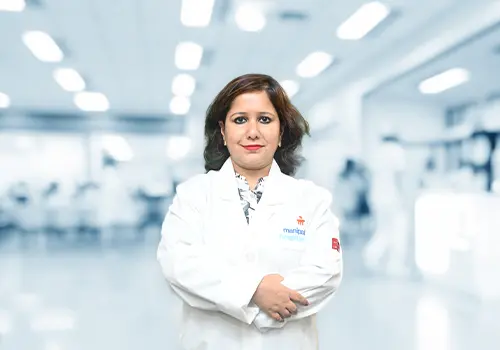
Dr. Parijat Deb Choudhury
Consultant - Interventional Cardiologist
Call Us Book Appointment
Mukundapur - Kolkata

Dr. Amit Bhauwala
Consultant - Interventional Cardiologist
Call Us Book Appointment
Mukundapur - Kolkata

Dr. Arijit Datta
Senior Consultant - Cardiothoracic and Vascular Surgery Specialist
Call Us Book Appointment

Our Clinical Team
Salt Lake - Kolkata

DR. PROF PARTHA SARATHI BANERJEE
Senior Consultant-Cardiology
Call Us Book Appointment


Our Clinical Team
EMBypass - Kolkata

Dr. Pulakesh Sinha
Consultant - Interventional Cardiology
Call Us Book Appointment
EMBypass - Kolkata

Dr. Rabindra Nath Chakraborty
Senior Consultant - Cardiology
Call Us Book Appointment


EMBypass - Kolkata

Dr. Subhro Sekhar Chakraborty
Consultant - Interventional Cardiology
Call Us Book Appointment

EMBypass - Kolkata

Dr. Anup Banerji
Senior Consultant - Interventional Cardiology
Call Us Book Appointment


EMBypass - Kolkata

Dr. Debopriyo Mondal
Consultant - Interventional Cardiology
Call Us Book Appointment
Treatment and Procedures



These minimally invasive procedures are designed to open blocked or clogged coronary arteries. These are the vessels that supply oxygen-rich blood to your heart muscle. Blockages can occur due to plaque build-up, a condition known as atherosclerosis. CMCA, CTO, and Bifurcation Stenting utilise thin, flexible tubes called catheters to reach the blocked artery. A tiny balloon is then inflated within the blockage to open it, often followed by a stent placement – a small mesh tube that helps keep the artery open. These procedures can improve blood flow to the heart, reducing chest pain and shortness of breath. Depending upon the complexities and severity the procedure may take anywhere from one to three.
Treatment and Procedures
Treatment and Procedures
Treatment and Procedures
Treatment and Procedures
What Makes Us a Leader in Healthcare?
Top specialists. Advanced technology. Exceptional healthcare.

-
24 Serving Cities
-
11,000+ Doctors
-
12,600+ Beds
-
49 Hospitals
-
8+ Million Paitents Annually
Testimonials
- Sanjeev Kapoor
-Ankita Saha
Testimonials
- Soumi Dutta
- Mohan Desai
Testimonials
- Ajay Patel
- Seema Chopra
Testimonials
- Seema Chopra
-Ankita Saha
Testimonials
- Arindam Pande
-Debopriyo Mondal
- Dilip Kumar
FAQs
Maintaining a healthy weight, eating a balanced diet, exercising regularly, managing stress, and quitting smoking are all essential steps towards a healthy heart. It is also recommended to monitor your heart with regular ECG, ECO or treadmill tests, even if no symptoms are present.
Open-heart surgery involves a traditional surgical approach with a larger incision. Minimally invasive procedures use smaller incisions and catheters to access the heart, often leading to quicker recovery times.
Cardiac procedures offer a range of treatment options to improve your heart health. While all medical procedures involve some potential risks, your doctor will carefully review these with you to ensure you understand the potential risks before recommending any specific treatment.
Recovery time varies depending on the specific procedure. Your healthcare partner will provide you with a personalized recovery timeline and instructions.
CABG is an open-heart surgery that redirects blood flow around blocked coronary arteries.
CPR stands for Cardiopulmonary Resuscitation. It's a lifesaving technique that helps keep oxygenated blood flowing through the body when a person's heart has stopped beating and they are not breathing normally.
Perform CPR if someone is unconscious and not breathing normally. Check for breathing by looking, listening, and feeling for chest movement for no more than 10 seconds.
Success rates for CMCA, CTO, and bifurcation stenting vary depending on the complexity of the blockage and other individual factors. However, advancements in technology and techniques have led to significant improvements. Your doctor can discuss the expected success rates for your specific case.
FAQs
Maintaining a healthy weight, eating a balanced diet, exercising regularly, managing stress, and quitting smoking are all essential steps towards a healthy heart. It is also recommended to monitor your heart with regular ECG, ECO or treadmill tests, even if no symptoms are present.
Open-heart surgery involves a traditional surgical approach with a larger incision. Minimally invasive procedures use smaller incisions and catheters to access the heart, often leading to quicker recovery times.
Cardiac procedures offer a range of treatment options to improve your heart health. While all medical procedures involve some potential risks, your doctor will carefully review these with you to ensure you understand the potential risks before recommending any specific treatment.
Recovery time varies depending on the specific procedure. Your healthcare partner will provide you with a personalized recovery timeline and instructions.
CABG is an open-heart surgery that redirects blood flow around blocked coronary arteries.
CPR stands for Cardiopulmonary Resuscitation. It's a lifesaving technique that helps keep oxygenated blood flowing through the body when a person's heart has stopped beating and they are not breathing normally.
Perform CPR if someone is unconscious and not breathing normally. Check for breathing by looking, listening, and feeling for chest movement for no more than 10 seconds.
Success rates for CMCA, CTO, and bifurcation stenting vary depending on the complexity of the blockage and other individual factors. However, advancements in technology and techniques have led to significant improvements. Your doctor can discuss the expected success rates for your specific case.
FAQs
Maintaining a healthy weight, eating a balanced diet, exercising regularly, managing stress, and quitting smoking are all essential steps towards a healthy heart. It is also recommended to monitor your heart with regular ECG, ECO or treadmill tests, even if no symptoms are present.
Open-heart surgery involves a traditional surgical approach with a larger incision. Minimally invasive procedures use smaller incisions and catheters to access the heart, often leading to quicker recovery times.
Cardiac procedures offer a range of treatment options to improve your heart health. While all medical procedures involve some potential risks, your doctor will carefully review these with you to ensure you understand the potential risks before recommending any specific treatment.
Recovery time varies depending on the specific procedure. Your healthcare partner will provide you with a personalized recovery timeline and instructions.
CABG is an open-heart surgery that redirects blood flow around blocked coronary arteries.
CPR stands for Cardiopulmonary Resuscitation. It's a lifesaving technique that helps keep oxygenated blood flowing through the body when a person's heart has stopped beating and they are not breathing normally.
Perform CPR if someone is unconscious and not breathing normally. Check for breathing by looking, listening, and feeling for chest movement for no more than 10 seconds.
Success rates for CMCA, CTO, and bifurcation stenting vary depending on the complexity of the blockage and other individual factors. However, advancements in technology and techniques have led to significant improvements. Your doctor can discuss the expected success rates for your specific case.
FAQs
Maintaining a healthy weight, eating a balanced diet, exercising regularly, managing stress, and quitting smoking are all essential steps towards a healthy heart. It is also recommended to monitor your heart with regular ECG, ECO or treadmill tests, even if no symptoms are present.
Open-heart surgery involves a traditional surgical approach with a larger incision. Minimally invasive procedures use smaller incisions and catheters to access the heart, often leading to quicker recovery times.
Cardiac procedures offer a range of treatment options to improve your heart health. While all medical procedures involve some potential risks, your doctor will carefully review these with you to ensure you understand the potential risks before recommending any specific treatment.
Recovery time varies depending on the specific procedure. Your healthcare partner will provide you with a personalized recovery timeline and instructions.
CABG is an open-heart surgery that redirects blood flow around blocked coronary arteries.
CPR stands for Cardiopulmonary Resuscitation. It's a lifesaving technique that helps keep oxygenated blood flowing through the body when a person's heart has stopped beating and they are not breathing normally.
Perform CPR if someone is unconscious and not breathing normally. Check for breathing by looking, listening, and feeling for chest movement for no more than 10 seconds.
Success rates for CMCA, CTO, and bifurcation stenting vary depending on the complexity of the blockage and other individual factors. However, advancements in technology and techniques have led to significant improvements. Your doctor can discuss the expected success rates for your specific case.
FAQs
Maintaining a healthy weight, eating a balanced diet, exercising regularly, managing stress, and quitting smoking are all essential steps towards a healthy heart. It is also recommended to monitor your heart with regular ECG, ECO or treadmill tests, even if no symptoms are present.
Open-heart surgery involves a traditional surgical approach with a larger incision. Minimally invasive procedures use smaller incisions and catheters to access the heart, often leading to quicker recovery times.
Cardiac procedures offer a range of treatment options to improve your heart health. While all medical procedures involve some potential risks, your doctor will carefully review these with you to ensure you understand the potential risks before recommending any specific treatment.
Recovery time varies depending on the specific procedure. Your healthcare partner will provide you with a personalized recovery timeline and instructions.
CABG is an open-heart surgery that redirects blood flow around blocked coronary arteries.
CPR stands for Cardiopulmonary Resuscitation. It's a lifesaving technique that helps keep oxygenated blood flowing through the body when a person's heart has stopped beating and they are not breathing normally.
Perform CPR if someone is unconscious and not breathing normally. Check for breathing by looking, listening, and feeling for chest movement for no more than 10 seconds.
Success rates for CMCA, CTO, and bifurcation stenting vary depending on the complexity of the blockage and other individual factors. However, advancements in technology and techniques have led to significant improvements. Your doctor can discuss the expected success rates for your specific case.