


Book An Appointment
Why Choose Us?
Manipal Hospital Kanakapura Road focuses on accurate treatment and patient comfort. The reasons to choose us include:
These strengths contribute to our standing as the best urology hospital in Bangalore for people seeking clear treatment pathways.
Best Urology Hospital
in Kanakapura Road
The Department of Urology at Manipal Hospital Kanakapura Road provides complete care for all urinary and kidney-related problems. Our Urology specialists use modern tests and treatments for men, women, and children. They work together to check the root cause of symptoms and curate a treatment plan that fits each patient. Care may be surgical or non-surgical, depending on what is needed.
As the best urology hospital in Kanakapura Road, Bangalore, our goal is to make treatment smooth, comfortable, and supportive. Whether the issue is small or complex, every patient receives personalised attention and compassionate care.
Treatments and Procedures

Urodynamics is a group of tests that checks how the bladder, urethra, and the sphincter (the muscles that control urine flow) are working. It is helpful for people who have urine leakage, go to the bathroom very often, or feel a constant urge to urinate. During the test, a flow meter measures how much urine comes out, and thin tubes (catheters) check the pressure inside the bladder and urethra. The bladder is slowly filled with sterile water to see how it holds and releases urine. The test usually takes 30–60 minutes, is made to be comfortable, and patients can go back to normal activities soon after.
Key Benefits:
● Finds what is causing urinary problems.
● Quick and comfortable with little pain.
● Experts check carefully and guide you.
● Helps understand incontinence or urgency so treatment fits you.
● Done in a private and comfortable space.
Facilities and Services
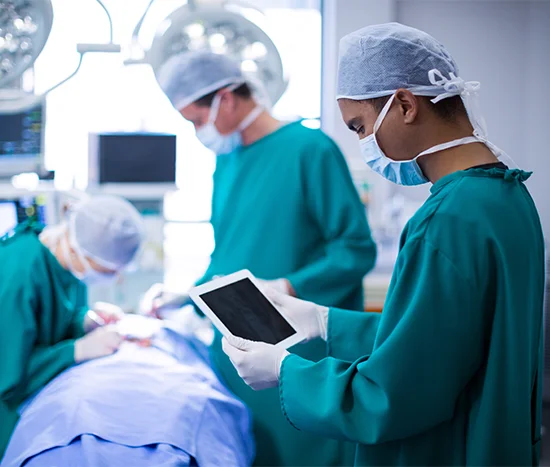
At Manipal Hospital Kanakapura Road, experience all-around care – all of which has been possible with the support of our medical experts, along with excellent surgical facilities and support services.

Advanced technology & diagnostic services

State-of-the-art
operation theatres

Minimally-invasive
approaches

ICU & post-op
care

Physiotherapy & rehabilitation services

Laser
Treatment

Dedicated helpdesk for patients and families

Patient education and support

Access to multidisciplinary teams for complex conditions
Patient Experiences
Combining the best specialists and equipment to provide you nothing short of the best in healthcare.
Patient Experiences
Combining the best specialists and equipment to provide you nothing short of the best in healthcare.