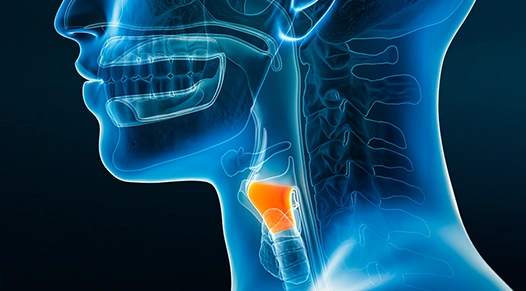
Laryngology and voice care focus on diagnosing and treating disorders that affect the voice, airway, and swallowing functions. Voice disorder treatment addresses issues like hoarseness, vocal strain, and nodules through tailored voice therapy and, when needed, microlaryngeal surgery, a minimally invasive procedure to remove lesions such as polyps and cysts. Professional voice care is designed for individuals who use their voice extensively, teachers, singers, and speakers, to prevent and manage vocal fatigue and maintain vocal health. The treatment of swallowing and airway problems encompasses therapies and surgical options to improve breathing and swallowing efficiency, ensuring safety and comfort. This comprehensive approach supports optimal vocal and airway function while promoting long-term rehabilitation and prevention.
Key Benefits:
• Targeted treatment for voice disorders restores clarity and strength
• Professional voice care helps prevent vocal strain in high-usage voices
• Microlaryngeal surgery removes vocal cord lesions with minimal downtime
• Swallowing therapy enhances safety and feeding ability
• Airway treatments improve breathing and reduce obstruction
• Personalised rehabilitation promotes long-term vocal and airway health
Audiology & Hearing Rehabilitation
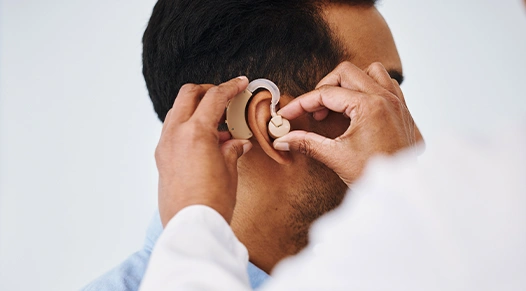
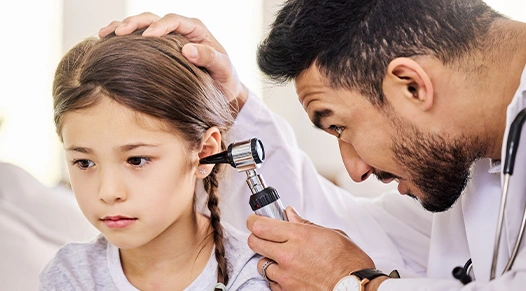
Audiology and hearing rehabilitation encompass a comprehensive suite of services designed to assess, assist, and enhance hearing and balance functions. Pure tone and impedance audiometry form the backbone of auditory evaluation, measuring hearing sensitivity and middle ear function with precision. Hearing aid fitting is a personalised process that optimises amplification devices to suit the individual's unique hearing profile. The cochlear implant program and rehabilitation offer transformative opportunities for those with severe hearing loss by bypassing damaged structures to directly stimulate the auditory nerve. Newborn hearing screening ensures early detection of hearing impairment, vital for timely intervention and better developmental outcomes. Vestibular testing evaluates balance and dizziness issues, uncovering inner ear causes that affect equilibrium.
Key Benefits:
• Pure tone and impedance audiometry deliver a detailed hearing and ear function assessment
• Hearing aid fitting improves communication with tailored device optimisation
• Cochlear implants restore sound perception for profound hearing loss cases
• Newborn hearing screening enables early intervention, critical for language development and speech
• Vestibular testing diagnoses balance disorders to guide appropriate treatments
• Comprehensive rehabilitation supports sustained auditory and balance health
Advanced ENT Diagnostics & Technology
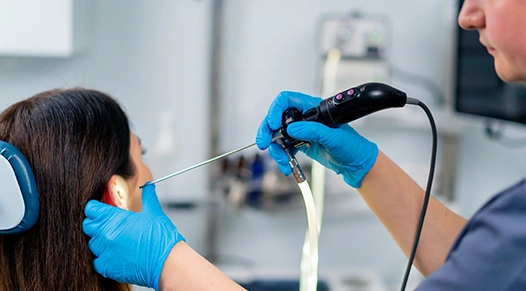
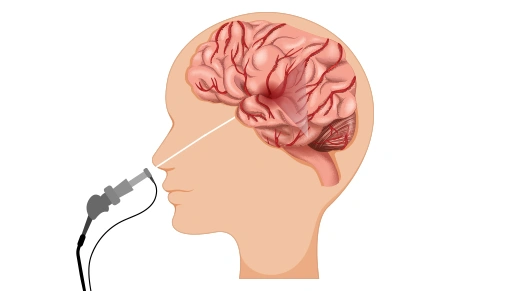
Advanced ENT diagnostics and technology involve a sophisticated array of tools for precise examination and evaluation of ear, nose, and throat conditions. Fibreoptic laryngoscopy uses a flexible fiberoptic scope passed through the nose to provide a detailed and dynamic view of the nose, nasopharynx, oropharynx and larynx, enabling assessment of vocal cord function and airway status. The voice and speech laboratory employs computerised acoustic analysis and other specialised evaluations to detect subtle abnormalities, guide diagnosis, and monitor treatment outcomes in voice and speech disorders. Sleep study screenings are essential for diagnosing snoring and obstructive sleep apnea (OSA), monitoring breathing patterns and oxygen levels during sleep. Nasal endoscopy allows direct visualisation of the nasal passages and sinuses for diagnosing inflammation, polyps, and structural issues. High-resolution diagnostics, including CT and MRI imaging, provide detailed cross-sectional views, facilitating accurate identification of tumours, infections, or anatomical anomalies.
Key Benefits:
• Fibreoptic laryngoscopy offers real-time, detailed visualisation of the larynx and vocal cords
• Voice and speech laboratories provide objective measurement and monitoring of voice disorders
• Sleep study screening diagnoses snoring and obstructive sleep apnea for targeted treatment
• Nasal endoscopy allows thorough inspection of nasal and sinus structures
• CT and MRI imaging deliver high-resolution anatomical detail for comprehensive evaluation
• Advanced diagnostics enable precise, early detection and tailored treatment planning
ENT General Services Including Snoring treatment
General ENT services cover a wide range of diagnostic, medical, and surgical treatments addressing common and complex ear, nose, and throat conditions. Allergy and sinus disorder management focuses on relieving nasal inflammation, congestion, and infections using medications and procedural interventions. Vertigo assessment is crucial for diagnosing causes of dizziness and balance disturbances, often involving vestibular testing and rehabilitation. Snoring and sleep-related ENT disorders include evaluation and treatment options aimed at improving airway function during sleep, such as for obstructive sleep apnea. Nasal blockages, whether from deviated septum, polyps, or chronic inflammation, are treated to restore proper breathing. Ear discharge is investigated thoroughly to identify infections or chronic ear disease, followed by appropriate therapies. Infections affecting the ear, nose, or throat receive timely medical management to prevent complications.
Key Benefits:
• Effective allergy and sinus management reduces chronic nasal symptoms
• Vertigo assessment identifies dizziness causes for targeted treatment
• Snoring and sleep disorder care improve sleep quality and airway health
• Nasal blockage treatments restore open, comfortable breathing
• Ear discharge evaluation helps resolve infections and prevent damage
• Prompt management of ENT infections safeguards ear, nose, and throat health
Robotic or Minimal invasive Thyroidectomy
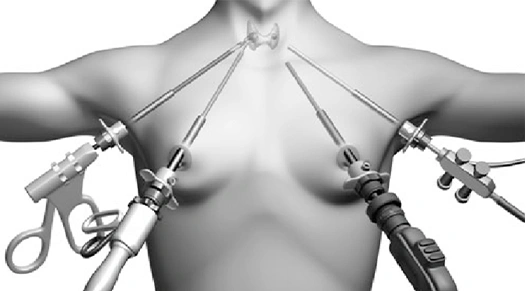
Robotic thyroidectomy integrates three-dimensional vision and wristed instruments to permit precise dissection through remote access incisions, often leaving no visible neck scar. This approach can be chosen by patients who prioritise cosmesis and when tumour characteristics and anatomy allow for safe robotic access. The robotic system enhances dexterity and allows fine control in confined spaces while enabling nerve monitoring and parathyroid preservation. Not every patient is a candidate, and the choice follows a multidisciplinary review that balances oncologic safety and patient preference. Operative planning includes mapping of the lesion with ultrasound and sometimes CT imaging. Recovery protocols emphasise early voice checks and calcium monitoring with clear outpatient follow-up. As a top ENT Hospitals in Kanakapura Road, our top surgeons discuss benefits and limitations openly, so patients who search for understand the pathway and expected outcomes.
Key Benefits:
• Provides three-dimensional vision and superior surgical precision
• Enables remote access surgery with no visible neck scar
• Preserves nerve and parathyroid function through fine control and magnified vision
• Reduces surgical strain and improves cosmetic satisfaction
• Guided by multidisciplinary planning
Mini-Incision Parotidectomy
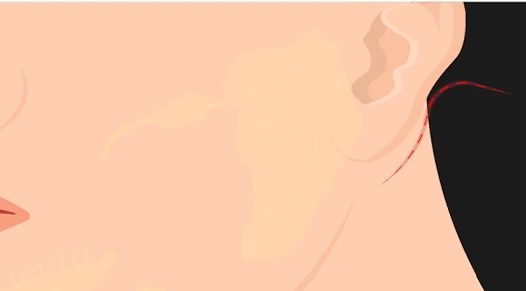
Mini-incision parotidectomy is a focused approach to remove benign parotid tumours with a smaller skin incision while protecting facial nerve function. The operation requires careful dissection around the branches of the facial nerve and often uses intraoperative nerve monitoring to reduce the risk of temporary or permanent weakness. Smaller incisions aim to improve cosmesis without compromising tumour clearance, and careful preoperative imaging with ultrasound or MRI helps map the lesion and guide the surgical plan. Postoperative care monitors facial movement, wound healing, and drainage. Physiotherapy and scar management are arranged if there is transient facial weakness or tightness.
Key Benefits:
• Smaller incision with optimal cosmetic outcome for parotid tumour removal
• Protects facial nerve branches with intraoperative nerve monitoring
• Shorter recovery time and minimal postoperative discomfort
• Preoperative imaging ensures accurate lesion mapping and safe dissection
• Coordinated physiotherapy and follow-up care to support complete recovery
Minimally Invasive Parathyroid Surgery
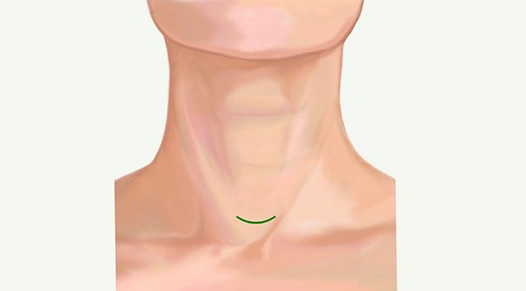
Minimally invasive parathyroid surgery targets a single overactive gland in patients with primary hyperparathyroidism and uses a small incision guided by focused imaging such as sestamibi scan and ultrasound. The procedure relies on accurate localisation so that exploration can be limited and operating time reduced, which lowers anaesthetic exposure and promotes a faster recovery. Intraoperative parathyroid hormone monitoring is used to confirm a successful removal during the operation and to guide the surgeon in real time. Preservation of surrounding structures and careful haemostasis reduces complications. Postoperative monitoring includes calcium level checks and clear instructions about symptoms of low calcium, with a short hospital stay in most cases.
Key Benefits:
• Single small incision guided by focused imaging reduces surgical exposure
• Real-time hormone monitoring confirms success during surgery
• Lower risk of complications and quicker postoperative recovery
• Minimal hospital stay with early return to routine activities
Head & Neck Cancer
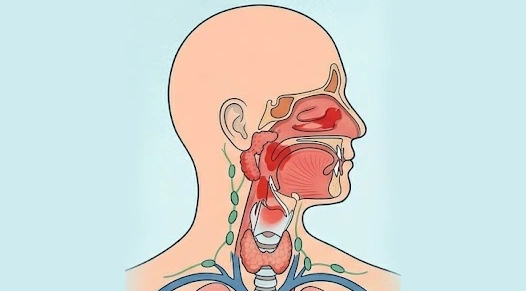
Head & Neck Oncology focuses on diagnosing and treating cancers that develop in the mouth, throat, voice box (larynx), salivary glands, nose and paranasal sinuses, thyroid gland, and ear. These cancers often originate in the squamous cells lining these structures and can be aggressive if not detected early. Risk factors include tobacco use, alcohol consumption, HPV infection, and prolonged exposure to harmful environmental agents. Symptoms may vary based on the location of the tumour, but commonly include persistent throat pain, difficulty swallowing, voice changes, unexplained weight loss, and swollen lymph nodes.
Early intervention is crucial, as head and neck cancers can spread rapidly, affecting nearby tissues and organs. Treatment typically involves a combination of surgery, radiation therapy, chemotherapy, targeted therapy, and immunotherapy, depending on the type, stage, and location of the cancer. Surgical removal of the lesion is often the first line of treatment, with reconstructive procedures performed to restore function and appearance.
Key Benefits:
• Better quality of life and independence through intense post-op rehab
• Advanced technology aids in precise tumour removal while minimizing external facial scarring.
• Expert reconstruction restores natural appearance using advanced tissue transfer.
• Multidisciplinary teams work together to significantly improve long-term survival outcomes.
• Integrated rehabilitation therapy helps with speech and swallowing, regaining independence and improved quality of life.
Cochlear Implant
A cochlear implant is a surgically placed device comprising an internal and external component. It is capable of receiving sound and transmitting the resulting electrical signals to electrodes implanted in the cochlea of the ear. The external component of this device consists of a microphone, sound processor, and transmitter system that is held in place by a magnet connecting it to the internal part consisting of the implanted receiver and electrode system. The speech processor picks up sound produced by the microphone to analyse and convert it into digital code. This signal is then sent to the headpiece and distributed to the electrode array inserted into the cochlea. Electrical impulses produced by these electrodes stimulate the auditory nerve, allowing the implant to bypass the damaged or non-functioning ear. The entire process is quick and produces no noticeable delays.
Key Benefits:
• This technology enables recipients to understand speech even in crowded or loud social settings.
• For kids with hearing loss, implants provide the necessary auditory input for natural language development.
• The device bypasses damaged cells in the inner ear to send clear sound signals to the brain.
• Restoring your hearing allows you to detect safety sounds like alarms and approaching traffic.
• Improving your hearing reduces the mental strain on the brain, supporting memory and sharpness.
Voice Modulation Surgery
Voice box surgery, encompassing voice modulation or phonosurgery, is a specialized field dedicated to altering or restoring the pitch, quality, and resonance of the human voice. These procedures are often sought by individuals with vocal cord paralysis, pitch disorders, or those undergoing gender affirmation. Techniques vary from laryngoplasty, which repositions the vocal folds to improve closure, to thyroplasty, which adjusts the tension of the cords to raise or lower pitch. For patients who have lost their voice due to trauma or benign growths, these surgeries provide a pathway to regain a functional, natural-sounding voice. Modern advancements allow many of these procedures to be performed endoscopically or through minimally invasive incisions, reducing recovery time and preserving the delicate tissue of the larynx. By precision-tuning the anatomy of the "voice box," surgeons can significantly enhance a patient's ability to communicate, ensuring their voice aligns with their identity and functional needs.
Key Benefits:
• Voice box surgery aligns your vocal pitch with your personal identity for a more authentic sense of self.
• Surgeons correct structural gaps in the vocal folds to eliminate a breathy or weak voice quality.
• The surgery restores vocal stamina for teachers, singers, and others in high-demand speaking roles.
• Correcting a mismatched vocal tone helps reduce the social anxiety and withdrawal often caused by voice disorders.
• Advanced methods ensure a rapid recovery period, allowing you to return to your daily routine quickly.
Endoscopic Ear Surgery
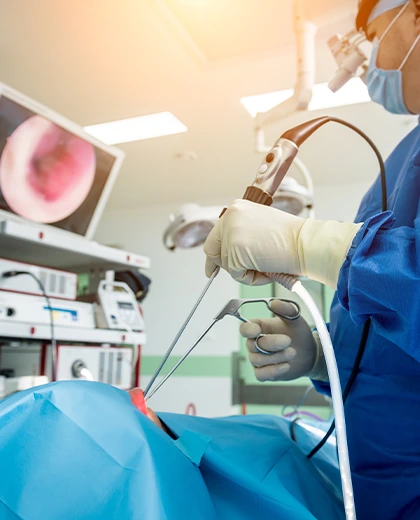
Endoscopic ear surgery is a minimally invasive procedure using a slender endoscope inserted through the ear canal to provide a clear, magnified view of the middle ear structures. The surgeon carefully lifts a small flap of the ear canal's skin to access the affected area. This allows precise treatment of chronic ear diseases and delicate repairs such as Tympanoplasty, where the eardrum is reconstructed. The technique also enables hearing restoration by repairing or replacing damaged middle ear bones with high accuracy. Because it avoids large incisions, this method typically results in quicker healing, less discomfort, same day discharge, next day work resume, no dressings, superior cosmetically (hairline mini scar) and a lower risk of complications. Visual clarity through the endoscope enables thorough treatment of hidden disease areas in a single session.
Key Benefits:
• Minimally invasive approach reduces scarring and recovery time
• Quicker healing
• Less discomfort
• Same day discharge
• Next day work resume
• No dressings
• Superior cosmetically (hairline mini scar) and a lower risk of complications
• Hearing restoration procedures improve auditory function
• Reduced post-operative pain and complications
ENT Hospitals in Kanakapura Road
Any conditions related to the ear, nose, and throat require utmost clinical precision and compassionate care. As one of the top ENT Hospitals in Kanakapura Road, Bangalore, Manipal Hospital Kanakapura Road upholds the standards of care with a multidisciplinary team for all your ENT-related concerns, including ear discharge, reduced hearing, giddiness, nose block, persistent sinus infections, watering eyes, sinonasal tumours, angiofibromas causing nasal bleed, tonsil, adenoid hypertrophy, snoring evaluation, a thyroid tumours, parotid tumours or complex head-and-neck tumours and head & neck cancer surgeries. From outpatient evaluation to minimally invasive surgeries and robotic procedures, we provide evidence-based diagnosis and individualised treatment plans. Our goal is to restore function, relieve symptoms, and improve quality of life, quickly, safely, and respectfully.
If you’re unsure whether to consult an ENT doctor in Bangalore, don’t wait because early evaluation often prevents disease progression and preserves function.
Why Choose Us?
At our ENT unit at Manipal Hospital Kanakapura Road, we combine modern technology, experienced surgeons, and compassionate care to manage conditions across all age groups. Patients choose us because we offer:
A dedicated team of ENT experts and allied specialists, including audiologists, speech therapists, endocrinologists, and head-and-neck oncologists.
Advanced diagnostic facilities: high-resolution nasal endoscopy, video laryngoscopy, microscopy, audiometry, OAE, ABR/BERA, tympanometry, and CT/MRI imaging.
Endoscopic basic and advanced ear and nose surgeries (Tympanoplasty, mastoid surgeries, ossiculoplasty, glomus tumours excision, stapedotomy, facial nerve decompression, septoplasty, FESS, turbinate surgery, DCR, anterior and lateral skull base surgeries, JNA surgery, craniofacial resections).
Cochlear implant surgeries and post op rehabilitation.
Minimally invasive and ROBOTICS surgical options to reduce pain, shorten hospital stays, and speed recovery.
Integrated care for thyroid and parathyroid disorders, parotid and submandibular gland tumours
in collaboration with endocrine surgery and medical endocrinology.
Head and neck (tongue, cheek, lips, tonsil, palate, nose, and sinus) cancer surgeries
24/7 emergency support for urgent ENT conditions such as airway compromise, severe epistaxis, and acute hearing/vestibular crises.
Personalised rehabilitation pathways: auditory rehabilitation, voice therapy, and post-operative physiotherapy
Mini incision parotidectomy surgeries
Want to meet a Doctor for checkup?
Facilities & Services
At Manipal Hospital Kanakapura Road, our ENT centre provides a full complement of facilities designed for accurate diagnosis, safe treatment, and speedy recovery. Here is what we offer:
Outpatient clinics and specialist consultations
Advanced diagnostic services
Audiology and hearing rehabilitation
Surgical theatres and technology
Head and neck oncology clinic
Paediatric ENT services
Emergency ENT care
Rehabilitation and allied services
FAQ's
If you have persistent ear pain or discharge, sudden or progressive hearing loss, long-standing nasal blockage, recurrent sinus infections, a neck lump, or hoarseness lasting more than a few weeks, consult an ENT specialist. Many patients searching for an ENT doctor in Bangalore come to us with these exact concerns.
Thyroid nodules are assessed with ultrasound, fine-needle aspiration cytology, and biochemical tests. Treatment ranges from watchful waiting to mini-incision thyroidectomy, robotic thyroidectomy, depending on size, symptoms, and malignancy risk. We customise the approach for the best balance of cure and cosmesis.
Yes, for carefully selected patients with a single parathyroid adenoma identified on imaging, minimally invasive surgery is safe and effective. We use intraoperative PTH monitoring to confirm success during the procedure.
After a mini-incision parotidectomy, you'll have close monitoring of facial nerve function and a short hospital stay, depending on the case. Scar care, physiotherapy for facial movement if needed, and regular follow-up are part of our pathway.
Absolutely. Our audiology team performs a full battery of tests, fits hearing aids, and evaluates candidates for cochlear implants. Ongoing rehabilitation and counselling are included in the care plan.
Look for a centre with multidisciplinary expertise, modern diagnostic tools, and transparent care pathways. If you're specifically searching for ENT Hospitals in Bangalore, Manipal Hospital Kanakapura Road offers the experience and infrastructure to manage routine and complex ENT problems.
Book An Appointment
I agree to receive
callbacks
between 7 PM and 7 AM.






.webp)
.webp)
.webp)