


8+ Million Patients Annually
49 Hospitals
11,000+ Doctors
12,600 Licensed Beds
24 Serving Cities
  • 8+ Million Patients Annually
  • 49 Hospitals
  • 11,000+ Doctors
  • 12,600 Licensed Beds
  • 24 Serving Cities

Request a Consultation

Meet Our Best Cardiologists at Manipal Hospital Kanakapura Road

ABOUT MANIPAL HOSPITALS

Why choose Manipal Hospital
Kanakapura Road for Angioplasty?

When it comes to matters of the heart, choosing the right care makes all the difference. At Manipal Hospital Kanakapura Road, we combine medical excellence with advanced technology to deliver world-class cardiac care tailored to your needs. Our comprehensive approach ensures your safety, comfort, and recovery are always our top priorities.


Manipal Hospital
Expert Specialists
Experienced Interventional Cardiologists
Our specialists have successfully performed thousands of angioplasty procedures, including complex multi-vessel and bifurcation cases.
Patient-First Care
State-of-the-Art Cath Lab
We use the latest high-definition fluoroscopy and intravascular imaging systems to guide stent placement with maximum precision and safety.
Complete Care
24/7 Emergency Cardiac Care
Comprehensive healthcare services from diagnosis and treatment to recovery and rehabilitation.
Advanced Technology
Compassionate Patient Support
Our dedicated cardiac care team supports you from pre-procedure preparation through recovery, ensuring comfort and confidence at every step.
Care

Early Care Changes Everything

What Happens If You Ignore Heart Symptoms?

Cardiovascular conditions often progress silently. Delaying specialized intervention can transform manageable symptoms into life-threatening emergencies. Early detection is not just a choice; it is a critical safeguard for your future health.

Risk of Heart Attack or Cardiac Arrest

Sudden failure of blood flow to the cardiac muscles leads to permanent tissue damage.

  • Chronic heart failure progression Continuous strain on the heart weakens the muscle, leading to a severely reduced ejection fraction.
  • Irreversible artery blockages Overlooking early warning signs allows plaque to completely calcify, requiring high-risk invasive bypass surgery later.
  • Reduced lifespan and poor quality of life Chronic oxygen deprivation causes persistent fatigue, breathlessness, and a severe impact on daily functional living.
  • Forced emergency interventions Delaying treatment shifts your options from a planned, safe, outpatient angioplasty to a high-stress emergency procedure.
Angioplasty Procedure & Its Types

Angioplasty, also known as Percutaneous Coronary Intervention (PCI), is a minimally invasive cardiac procedure used to open blocked or narrowed coronary arteries and restore proper blood flow to the heart muscle. A small balloon is inflated inside the blocked artery to widen it, and in most cases, a stent (a small mesh tube) is placed to keep the artery open long-term.

  • Balloon Angioplasty — A tiny balloon is inserted into the blocked artery and inflated to open the narrowing. Usually followed by stent placement.
  • Coronary Stenting (Bare Metal Stent) — A metal mesh stent is placed to keep the artery open after balloon dilation.
  • Drug-Eluting Stent (DES) Placement — A medicated stent that releases drugs over time to prevent re-narrowing (restenosis) — the current gold standard.
  • Rotational Atherectomy — Used for heavily calcified arteries that cannot be opened with a standard balloon alone.
  • Cutting Balloon Angioplasty — A specialised balloon with tiny blades that scores the plaque before dilation, used in resistant lesions.
Conditions Treated

Angioplasty for A Wide Range of Heart Conditions

From diagnosing complex cardiovascular issues to performing advanced angioplasty, we offer specialized, minimally invasive treatments for blocked or narrowed arteries to restore your heart's natural rhythm and vitality, avoiding more invasive options such as bypass surgery.

Coronary Artery Disease (CAD)

Restores blood flow when the arteries supplying the heart muscle become significantly narrowed or hardened.

Consult Now

Acute Heart Attack (Myocardial Infarction)

Emergency angioplasty (Primary PCI) is the gold standard treatment to rapidly open a completely blocked artery and minimize heart damage.

Consult Now

Angina (Stable & Unstable)

Relieves persistent chest pain or discomfort that is no longer adequately controlled by medications alone.

Consult Now

Failed Medical Management

Provides a vital intervention when lifestyle modifications and medications fail to manage progressive coronary blockages.

Consult Now

Severe Post-Angiogram Findings

Offers immediate or scheduled treatment when a coronary angiogram reveals critical blockages requiring definitive intervention.

Consult Now
What to Expect

Your Cardiac Care Journey at Manipal

We believe in transparency. Here is exactly what happens from your first visit to full recovery — no surprises, no uncertainty.

The 6-Step Journey Map
Step 1
Consultation
Meet your cardiologist, discuss symptoms, medical history & lifestyle
Step 2
Diagnosis
ECG, Echo, TMT, or Angiogram to precisely understand the condition
Step 3
Treatment Plan
Personalised plan – medication, interventional, or surgical approach
Step 4
Procedure
Performed by a specialist team in our advanced Cath Lab or OT
Step 5
Recovery
Monitored recovery in our Cardiac ICU or private ward
Step 6
Follow-Up
Post-discharge care plan, medication & lifestyle guidance

Our promise: Every patient receives a detailed care plan before the angioplasty procedure begins. Our team is available to answer questions at every step, because informed patients heal better.

What to Expect

Cardiac Care Costs & Insurance

We believe financial concerns should never delay heart treatment. Here's everything you need to know about costs and cashless care at Manipal Hospital Kanakapura Road.

Cost Factors

What determines your treatment cost for angioplasty?

  • Type of Procedure

    Consultation vs angioplasty vs bypass surgery — each has a different cost structure

  • Implants & Stents Required

    Number, type (bare-metal vs drug-eluting), and brand of stents or pacemaker

  • Surgical Approach

    Minimally invasive procedures typically cost more upfront but reduce recovery time & hospital stay

  • ICU & Hospital Stay Duration

    Ward type chosen (general, semi-private, private) and length of admission

  • Post-Procedure Rehabilitation

    Cardiac rehab programme, medications, and follow-up consultations

Cashless Insurance Facility

Hassle-free insurance processing at Manipal

  • Cashless Treatment Available

    Pre-approved cashless admission with all major health insurers

  • No Hidden Charges Policy

    Full cost transparency from admission to discharge — no surprise bills

  • Dedicated Insurance Helpdesk

    On-site team to handle all paperwork, claims, and approvals on your behalf

  • EMI Options for Self-Pay

    Easy monthly instalment plans for patients without insurance coverage
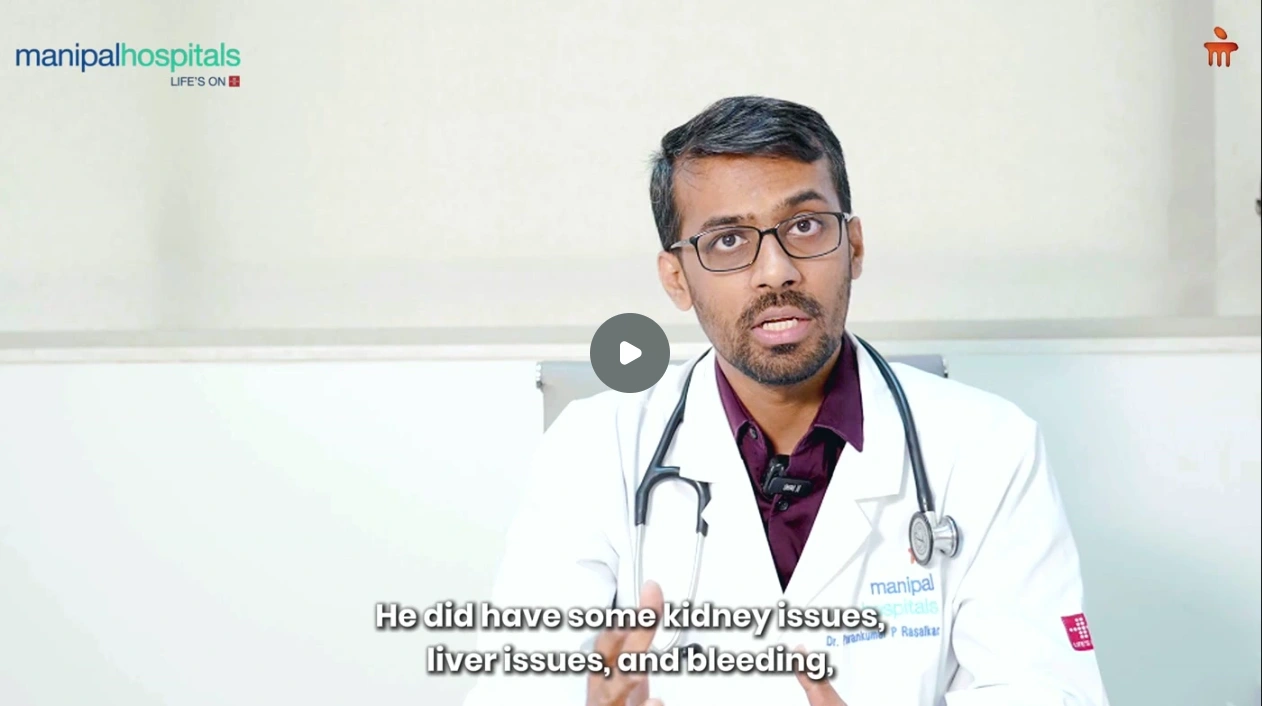
Testimonials

Patient Testimonial
FAQs

Answers to Your Angioplasty Questions

Have a question about your heart health or cardiac procedures? We've answered the most common ones our patients ask.

Is angioplasty a major surgery?

No, angioplasty is a minimally invasive procedure performed through a small catheter inserted via the wrist or groin. It does not require open-chest surgery and involves a much shorter recovery time than bypass surgery. The procedure takes between 30 minutes and 2 hours, depending on the number of blockages being treated and the complexity of the case.

How long will I stay in the hospital after angioplasty?

Most patients are discharged within 1 or 2 days following a planned angioplasty, resume light daily activities within a week, and return to work within 1 to 2 weeks. In emergency situations such as a heart attack, the stay may become longer, depending on recovery. Full recovery and return to physical activity usually take 4 to 6 weeks with cardiac rehabilitation after the procedure.

Can blockages return after angioplasty?

With modern drug-eluting stents, the risk of re-narrowing (restenosis) is low, around 5 - 10%. Adhering to prescribed medications, a heart-healthy lifestyle, and regular follow-ups significantly reduces this risk.

Will I need to take medications after angioplasty?

Yes. You will typically be prescribed antiplatelet medications along with other heart medications for a period determined by your cardiologist. These are essential to prevent stent clotting.

Is angioplasty covered by health insurance?

Angioplasty is generally covered under most health insurance policies in India. Our team at Manipal Hospital Kanakapura Road assists with pre-authorisation and claims to make the process smooth for you.

Will I need immediate medical attention after the procedure?

While complications are rare, you should contact your cardiologist or visit the emergency room immediately if you experience persistent chest pain, sudden shortness of breath, or bleeding, severe swelling, or a rapidly growing lump at the catheter insertion site (wrist or groin).

Get an
Expert Opinion

Fill in your details to receive expert guidance for your heart condition.