+918929802980
Lorem ipsum dolor sit amet, consectetur adipiscing elit, sed do eiusmod tempor incididunt ut
+918929802980
Lorem ipsum dolor sit amet, consectetur adipiscing elit, sed do eiusmod tempor incididunt ut
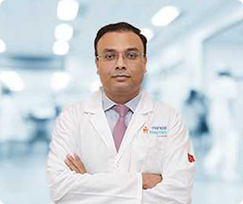
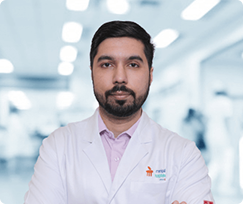
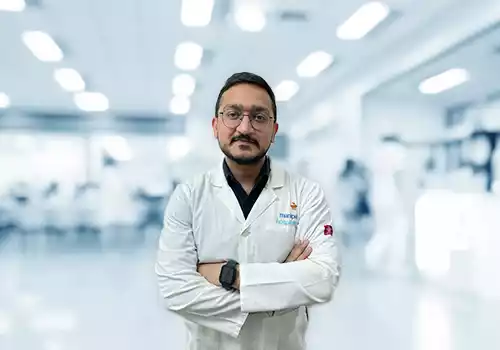
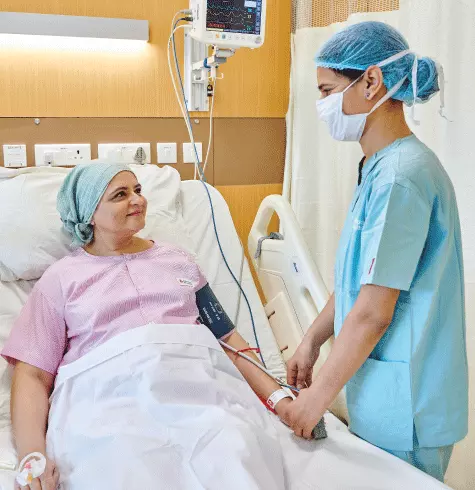
Experienced Staff: Manipal Hospital is the brain specialist hospital in Delhi providing state-of-the-art facilities and techniques and having the best doctors who are experts in treating complex neurological conditions. The Department of Neurosurgery and Neuro-interventional Surgery was established on the 1st of March 2018 and boasts a team of neurosurgeon experts in conducting surgeries using the latest technologies. The department is headed by Dr. Anurag Saxena, who is a dual-trained microsurgical & neuro-interventional neurosurgeon with 25 years of experience. He has performed more than 16000 brain surgeries and 2500 neuro-interventional procedures to date. Quality patient care: Our team’s key priority involves patient safety and comfort. The neurosurgery department works closely with specialist teams from different departments to provide rehabilitation programs and quality care based on the patient's disorder and condition.
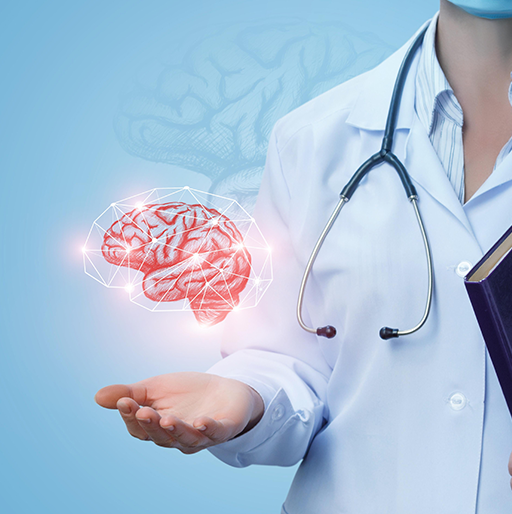
Parkinson's disease is a complex condition that affects individuals differently. While it poses challenges, advances in medical research and treatments offer hope for managing symptoms and improving the quality of life for those living with Parkinson's. Early diagnosis, a multidisciplinary approach to care, and ongoing support are crucial in managing the condition effectively. Individuals experiencing symptoms of Parkinson's disease or seeking information about managing the condition should consult healthcare professionals for proper evaluation, guidance, and personalized care.
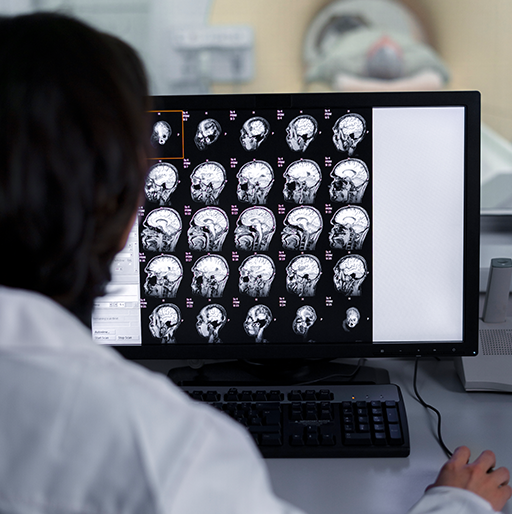
Brain tumours can be malignant or benign. Malignant brain tumours are fast-growing cancerous growth that originates in the brain and spread to other parts of the brain, including brain cells, meninges (the membrane surrounding the brain), nerve cells, central nervous system and surrounding tissues. Malignant brain tumours can also be secondary brain tumours, which may start in one part of the body including lungs, breast, kidney, skin, or spread, and metastasise to the brain. Benign brain tumours are slow-growing primary brain tumours that are non-cancerous growth with defined borders. These tumours do not spread to the surrounding tissues or organs, and they rarely develop into metastatic tumours.
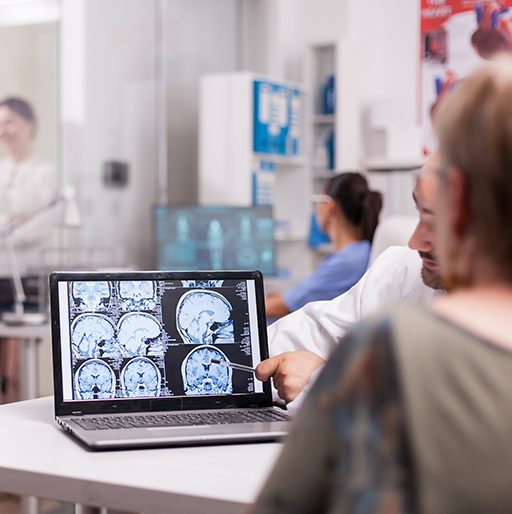
The skull forms our face and the skull base is composed of different openings through which
the spinal cord, blood vessels, and nerves enter or come out of the brain. Brain rest on
skull base.
A skull base surgery is a highly advanced approach recommended for diagnosing and
removing:
Cancerous or non-cancerous tumours
Any abnormalities in the base of the skull.
Cysts
Congenital anomalies
Congenital malformations.
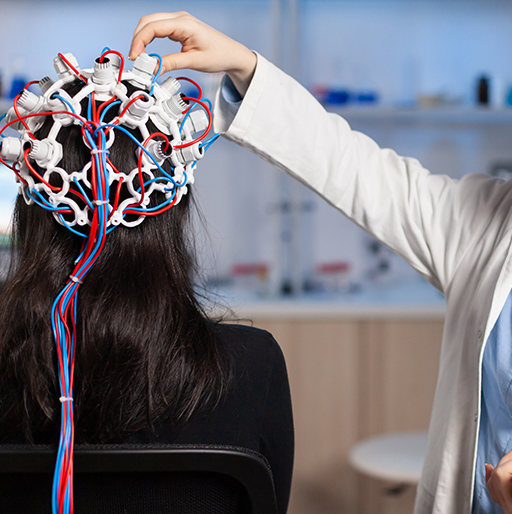
A cerebral aneurysm/intracranial aneurysm/brain aneurysm is a bulging of the weakened spot in the artery wall in the brain. This weak spot in the wall of the artery widens due to blood flow in the arteries and may rupture due to high blood pressure. An aneurysm can occur anywhere in the artery but mostly is seen in the front portion of the brain which supplies oxygen-rich blood to the brain.
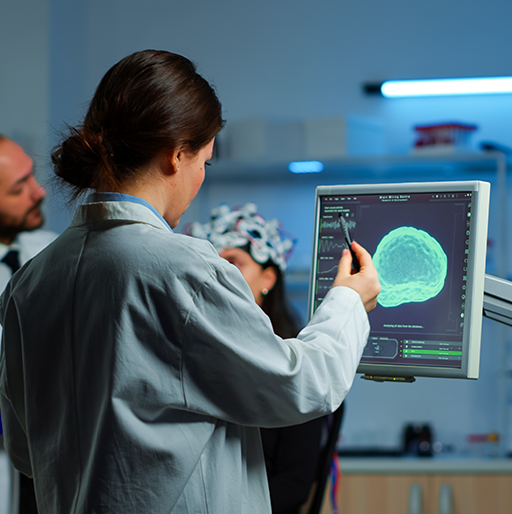
A stroke is an emergency which occurs when either the blood flow to your brain is
interrupted, preventing it from getting oxygen and nutrients, causing the death of the brain
cells or due to rupture of blood vessels inside the brain leading to brain haemorrhage.
Signs and symptoms of a brain stroke include:
Trouble in speaking
Confusion
Paralysis on one side of your body
Vision problems including blurred vision, blackened vision, double vision etc.
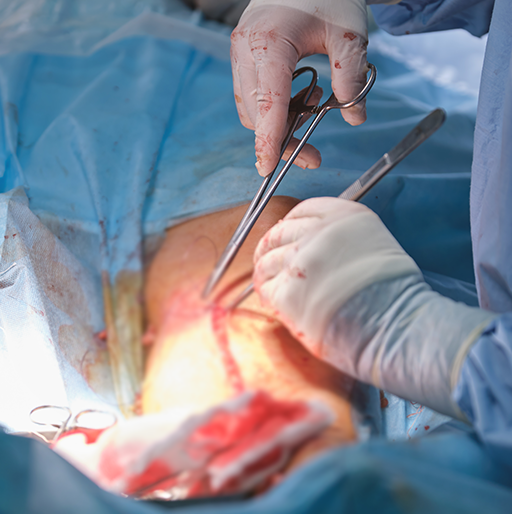
Surgery is done to remove tumors in the spinal region. The most common tumor encounter is metastasis and it causes vertebral bone damage or spinal cord or nerve compression. The aim of surgery in such cases is to decompress the spinal cord adequately so that neurology recovers and to provide strength to the spine column by inserting pedicle screws and rods. At the same time specimen can be sent for histopathological and immunohistochemistry markers study, which help in identifying the primary source of the tumor and to start the chemotherapy or radiotherapy accordingly. Get the advanced Spinal Tumor Surgery Treatment in Delhi from the expert neurosurgeons at Manipal Hospitals.
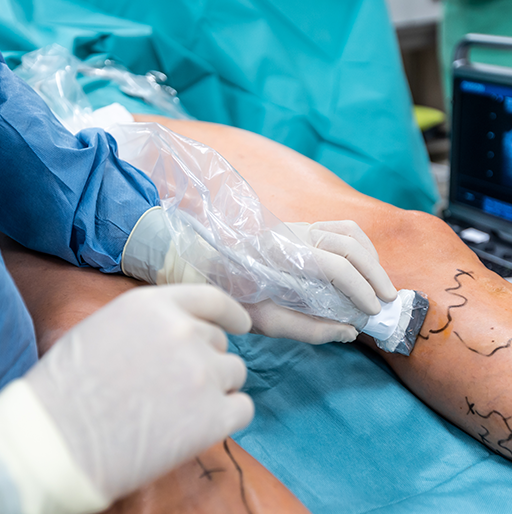
This is a procedure performed to correct a congenital disorder known as AVM, where there is a formation of tangled arteries and veins which can lead to seizures, internal bleeding and neurological symptoms. It is possible to have an AVM without any adverse effects, but it is considered to be better to remove the risk through surgery. AVM's can form in the spinal cord, brain, and brainstem, and are revealed using special neuroradiological scans.
FAQ's

Email: info@manipalhospitals.com
Accreditations


2025 Manipal Hospitals. All Rights Reserved by Manipal